Building Resilience Empowering Civil Society to Protect Cultural Heritage Amid Conflict and Climate Challenges

Lorem ipsum dolor sit amet, consectetur adipiscing elit. Ut elit tellus, luctus nec ullamcorper mattis, pulvinar dapibus leo.

Fourteen local initiatives. One shared commitment to safeguarding cultural heritage.

Cultural heritage is increasingly threatened by armed conflict, climate change, environmental degradation, neglect, and limited resources. In these challenging contexts, local civil society organisations play a vital role in protecting heritage, preserving collective memory, and strengthening the connection between communities and their cultural identity.

Building Resilience is a Heritage for Peace programme that supports civil society organisations in strengthening their capacity to protect cultural heritage and respond to the challenges facing heritage sites and communities.

Through 14 local initiatives, the programme has supported diverse approaches to heritage protection, combining practical conservation activities, documentation, community engagement, awareness-raising, training, and risk reduction.

About the Project

Building Resilience: Empowering Civil Society to Protect Heritage Amid Conflict and Climate Challenges is a regional initiative that supports civil society organisations and local heritage actors in conflict- and climate-affected contexts to develop practical, community-based approaches to safeguarding cultural heritage.

The project brings together 14 initiatives across Yemen, Syria, Iraq, Libya, Palestine, Sudan, and Ethiopia, addressing a diverse range of challenges, including emergency heritage protection, documentation, traditional crafts, cultural memory, environmental threats, and the preservation of historic urban and religious sites.

Recognising that effective heritage protection requires more than conservation interventions alone, the project places local organisations and communities at the centre of its approach. Through practical support, capacity building, knowledge exchange, and regional networking, it creates opportunities for participating organisations to strengthen their skills, implement locally led initiatives, and develop their ability to respond to threats affecting cultural heritage.

Beyond individual activities, the 14 initiatives demonstrate how heritage protection can contribute to community resilience through youth and women’s participation, traditional knowledge, education, digital documentation, and local partnerships. By sharing experiences and lessons learned across different contexts, Building Resilience seeks to strengthen the role of civil society in addressing both conflict-related and climate-related pressures, while ensuring that cultural heritage remains connected to the communities who live with, value, and care for it.
Approaches, One Shared Goal

The 14 initiatives supported through Building Resilience reflect a range of complementary approaches to cultural heritage protection. Although each initiative responds to specific local needs and challenges, they are connected through a shared commitment to safeguarding cultural heritage, strengthening community participation, and building resilience in conflict- and climate-affected contexts. The initiatives can be understood through five interconnected thematic areas:

1. From Documentation to Protection: Knowledge as the Foundation of Heritage Preservation

This area focuses on documenting heritage sites and assets, collecting historical information and local knowledge, and using mapping and digital tools to improve understanding of heritage and the threats it faces. By developing records, assessing the condition of heritage sites, and engaging young people in documentation activities, these initiatives establish an essential knowledge base for identifying conservation needs, monitoring changes, and informing future protection efforts. 

2. Heritage Protection and Risk Management

This area addresses the direct threats facing heritage sites, historic buildings, archaeological remains, and cultural collections. Activities include emergency rescue, debris removal, structural stabilisation, maintenance, environmental management, and monitoring of illegal activities and other risks. These initiatives translate heritage knowledge into practical action, helping to reduce threats, prevent further deterioration, and safeguard vulnerable cultural assets.

3. Women, Heritage and Livelihoods

This area highlights the role of women and local communities in sustaining cultural heritage through traditional skills, crafts, and cultural knowledge. Initiatives combine skills development, creative activities, documentation, and, where relevant, opportunities for income generation and small-enterprise development. They also support the transmission of traditional knowledge between generations and recognise heritage-related practices as a source of cultural identity, community participation, and livelihood opportunities.

4. Intangible Heritage and Oral Traditions

This area focuses on safeguarding living heritage through oral histories, folk stories, traditional songs, and collective memory. By recording community narratives and involving children and younger generations in storytelling and cultural activities, these initiatives help preserve local voices, experiences, and traditions. They also create opportunities for communities to maintain connections with their cultural identity and ensure that intangible heritage continues to be transmitted across generations.

5. Traditional Crafts, Cultural Memory and Living Heritage

This area explores traditional crafts and cultural practices as essential expressions of local identity, historical knowledge, and living heritage. Through documentation, creative workshops, skills training, and intergenerational learning, initiatives seek to sustain traditional craftsmanship and make cultural knowledge accessible to younger generations. They also highlight the relationship between traditional practices, historic urban environments, and the everyday cultural life of communities.

Together, these five thematic areas demonstrate that cultural heritage protection extends beyond the preservation of physical sites and monuments. It also involves safeguarding knowledge, memories, skills, traditions, and the communities that sustain them. By bringing together diverse local experiences and approaches, the 14 initiatives highlight the importance of empowering civil society and strengthening community-led action to protect cultural heritage and build resilience amid conflict and climate challenges.

Discover the 14 projects and the work of the organisations behind them.

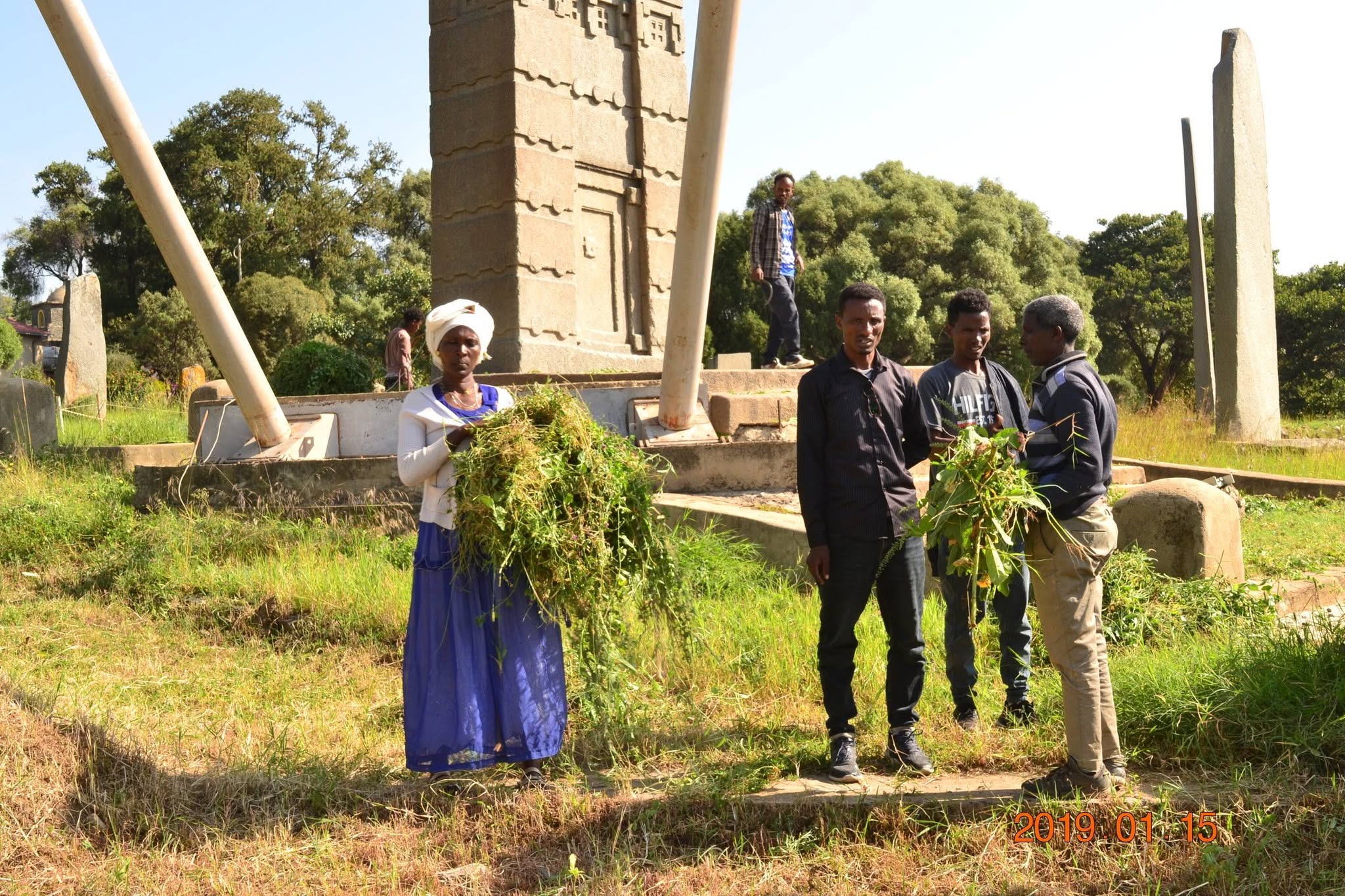
1. ProjectTitle : Protecting and Rehabilitating the Aksum World Heritage Site.

 REST Civil Society Organization & Hidmo Initiative – Ethiopia. 

The project aims to protect the archaeological site of Aksum from the impacts of conflict, looting, and environmental degradation. Its activities include documenting damaged areas, stabilising architectural structures, cleaning the site, and engaging young people, women, tourism guides, and local communities in heritage protection efforts.

2. Project Title : Documenting Oral Traditions and Strengthening Community Peace

Tigray Peace Advocates (TPA) – Ethiopia. 

The project focuses on training young people to become Heritage Ambassadors who collect and digitally preserve oral histories and traditions associated with archaeological sites across the Tigray Region. It also facilitates community dialogues known as “Heritage Peace Circles” to promote cultural exchange and strengthen social cohesion.

3. Project Title : Tales of Taiz: A Living Memory.

Eram Foundation for Cultural and Media Development – Yemen. 

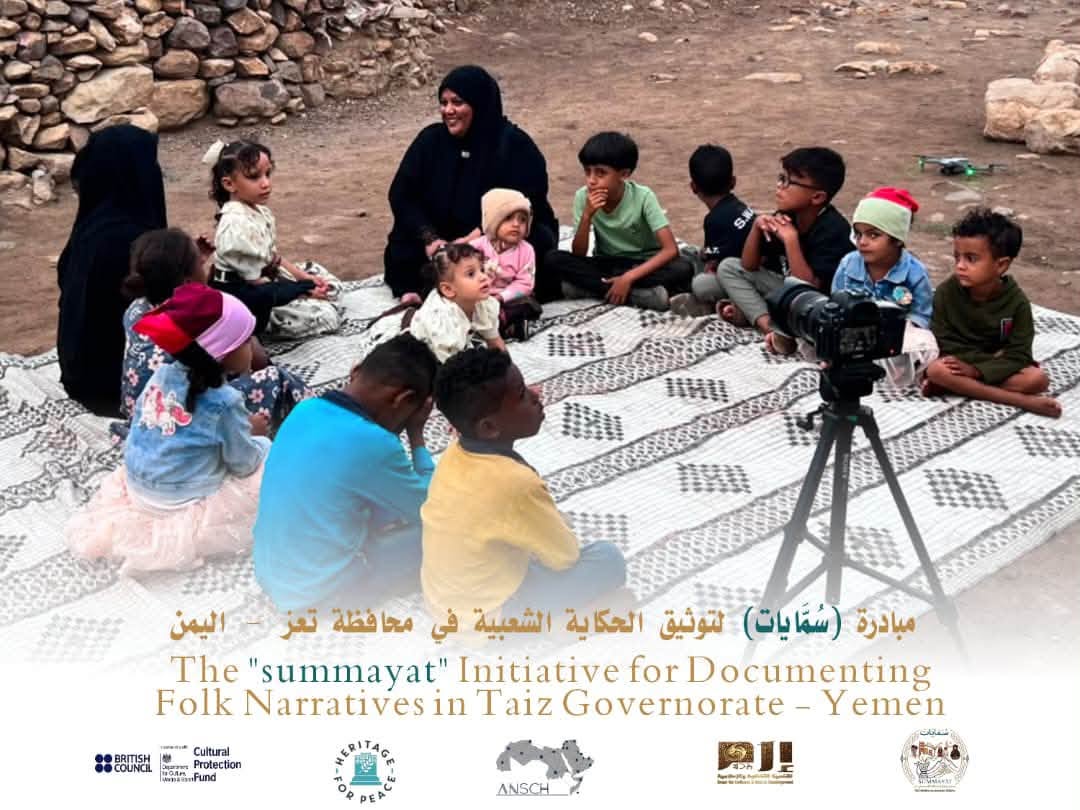
The project seeks to document the folk tales and oral traditions of Taiz through field recordings and interviews with tradition bearers. Its outputs include a documentary film, a published collection of stories, and a digital platform. The project also involves training young people and researchers in heritage documentation and establishing a Visual Memory Corner at the National Museum of Taiz.

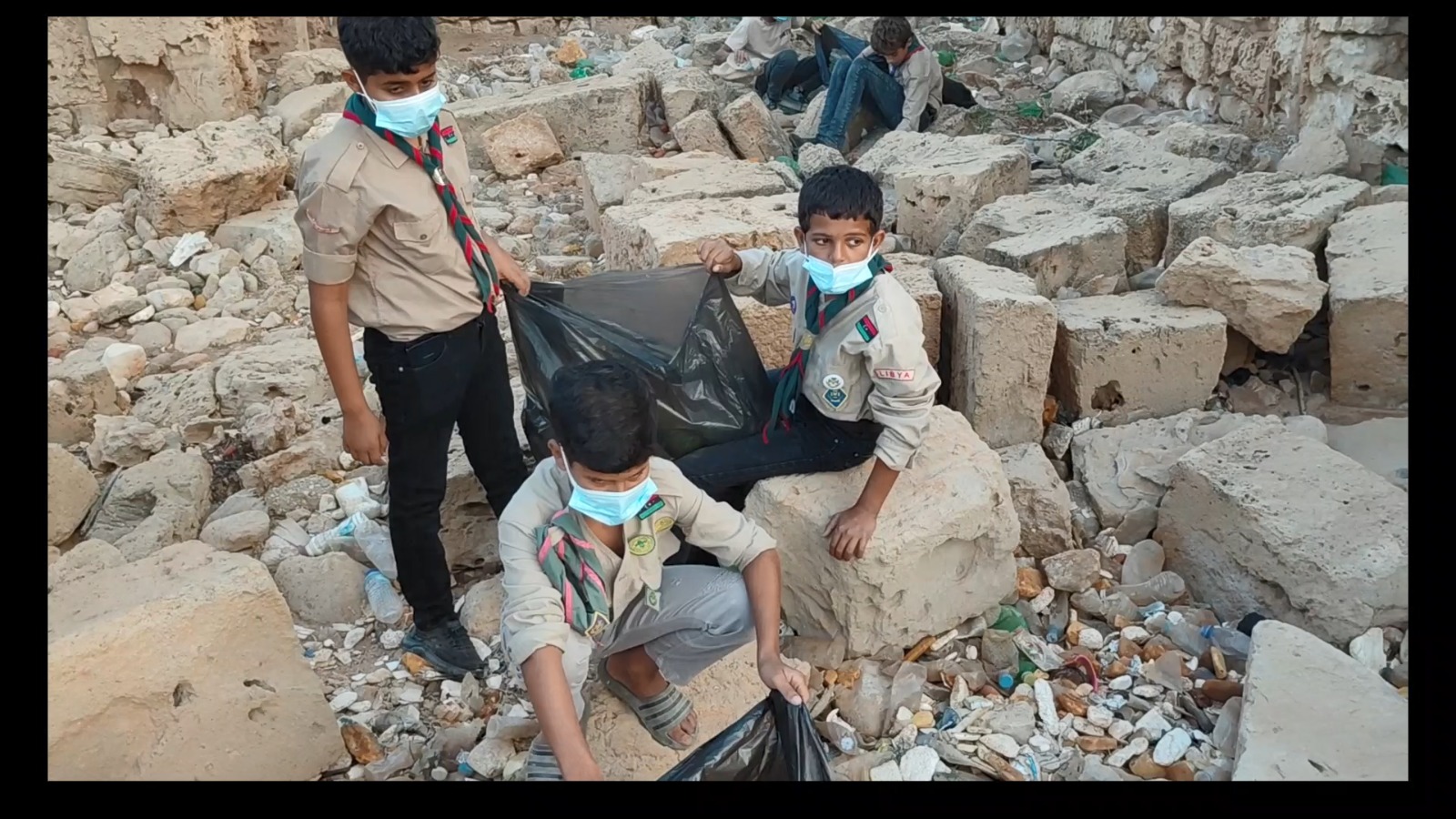
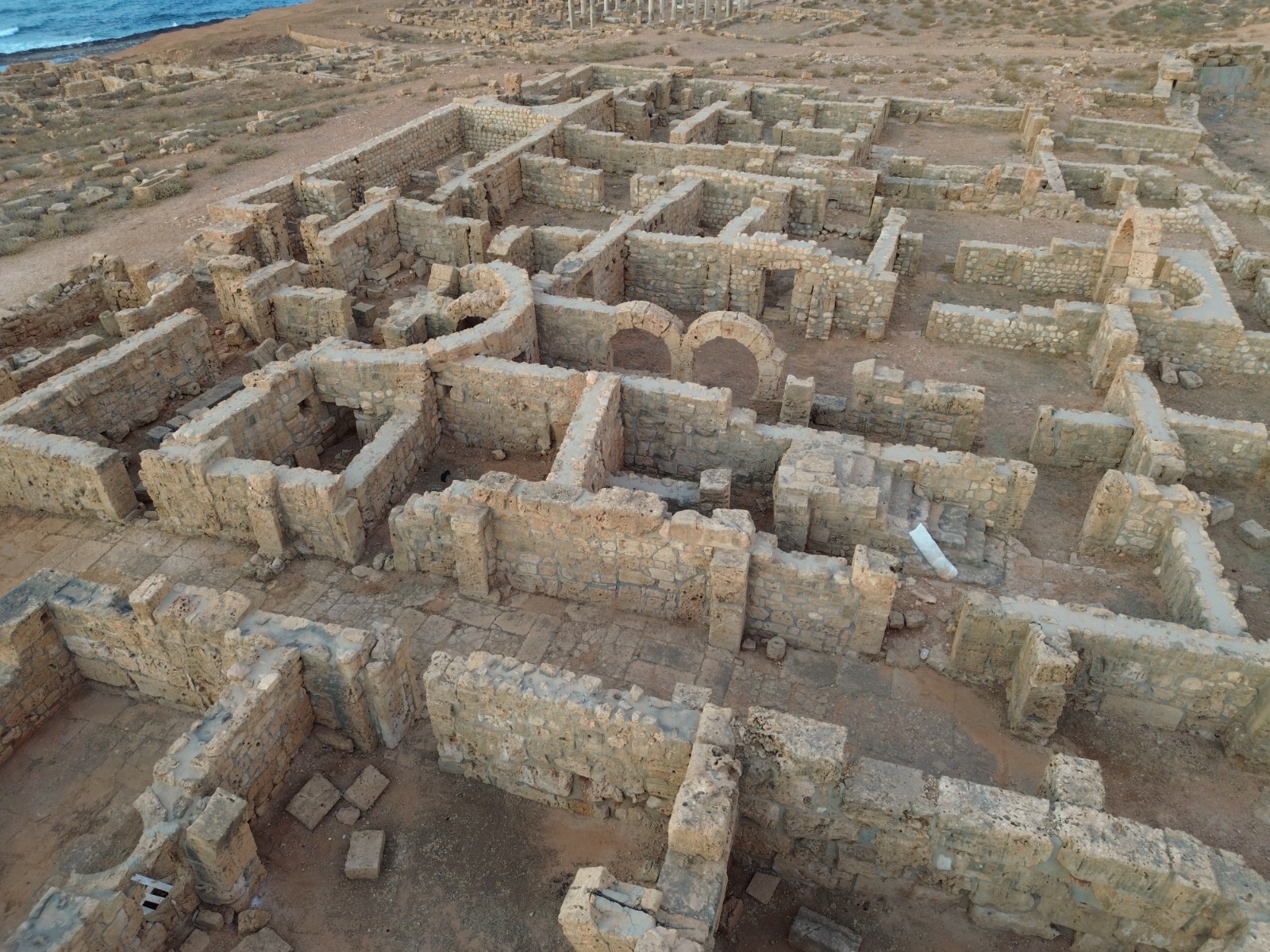
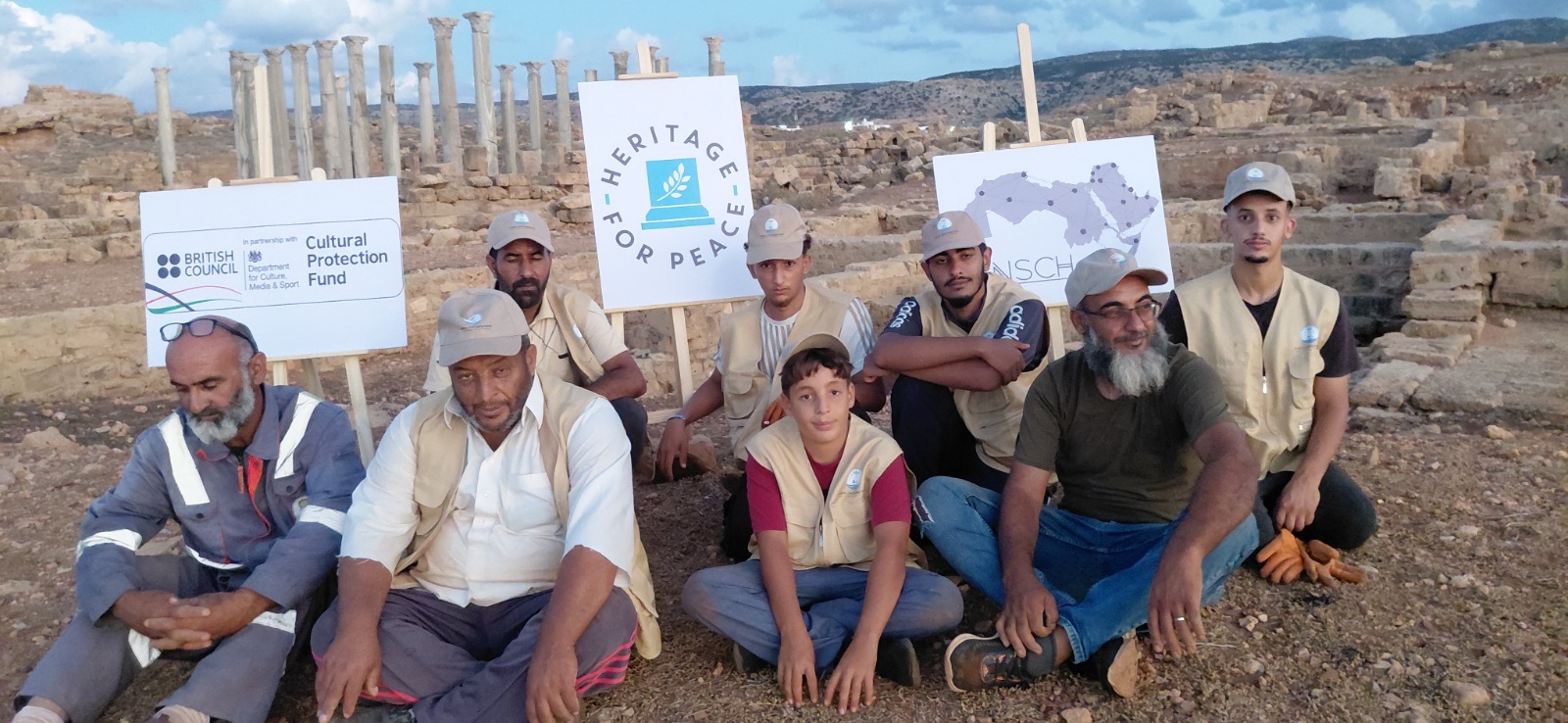
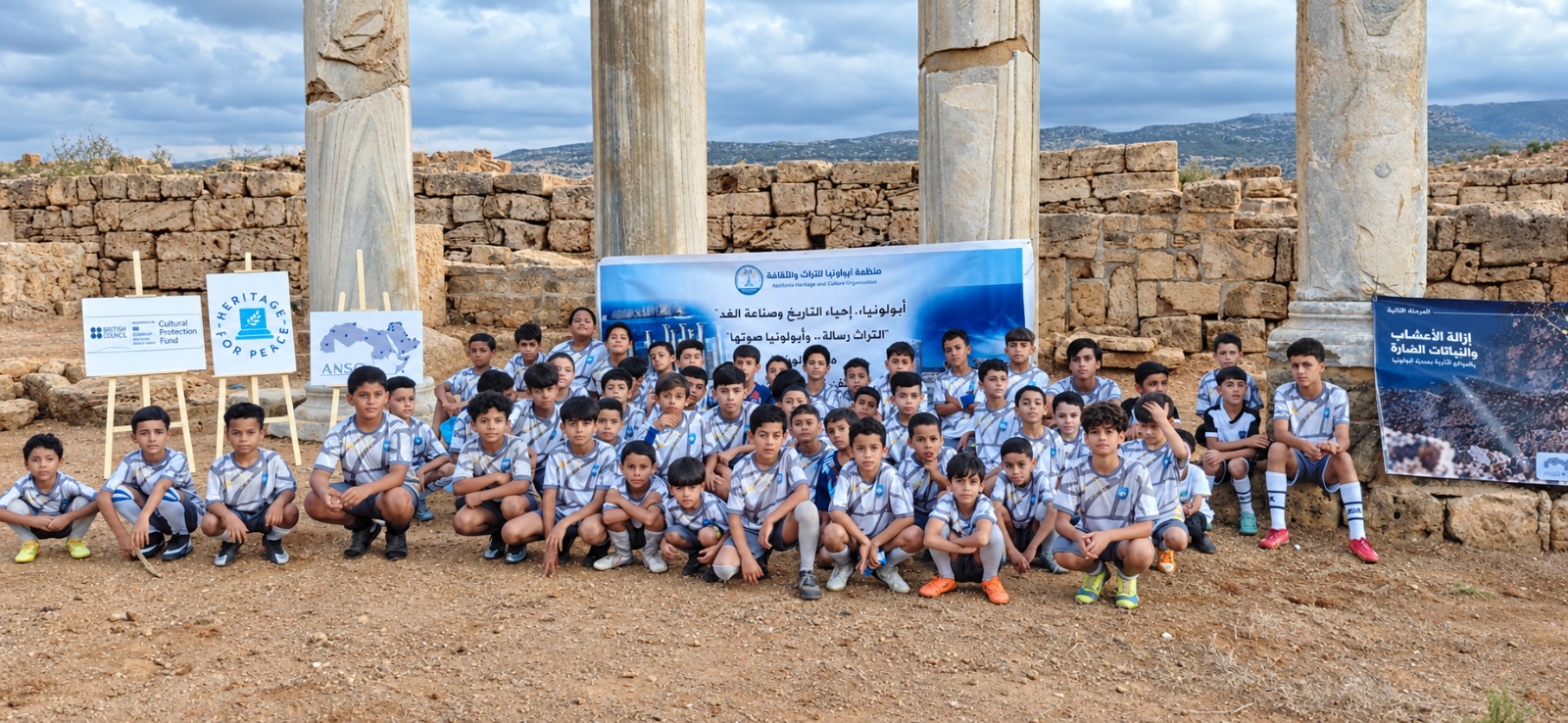
4. Project Title: Removing Harmful Vegetation from Archaeological Sites in Apollonia.

Apollonia Organization for Heritage and Culture- Libya. 

The project aims to mitigate environmental threats to the archaeological site of Apollonia, particularly in the aftermath of Storm Daniel. Activities include removing harmful vegetation, cleaning affected areas, and documenting damage, while engaging local volunteers and young people in heritage protection efforts.

5. Project Title: Digital Documentation of the Old City of Tripoli.

Libyan Center for Local Cultures- Libya. 


The project focuses on documenting the historic urban fabric of the Old City of Tripoli through aerial surveys using drones and ground-based documentation. The aim is to create a digital visual archive of the areas most at risk. The project also includes risk assessments and training for young people in heritage documentation.

6. Project Title : Emergency Rescue Project for the Great Omari Mosque Library

Eyes of Heritage- Palestine. 

The project aims to safeguard the manuscript collections and historical documents held in the Great Omari Mosque Library through cleaning, preliminary conservation, cataloguing, and the provision of safe storage conditions. It also seeks to establish a digital database to preserve the library’s collections and strengthen the community’s connection to its cultural memory.

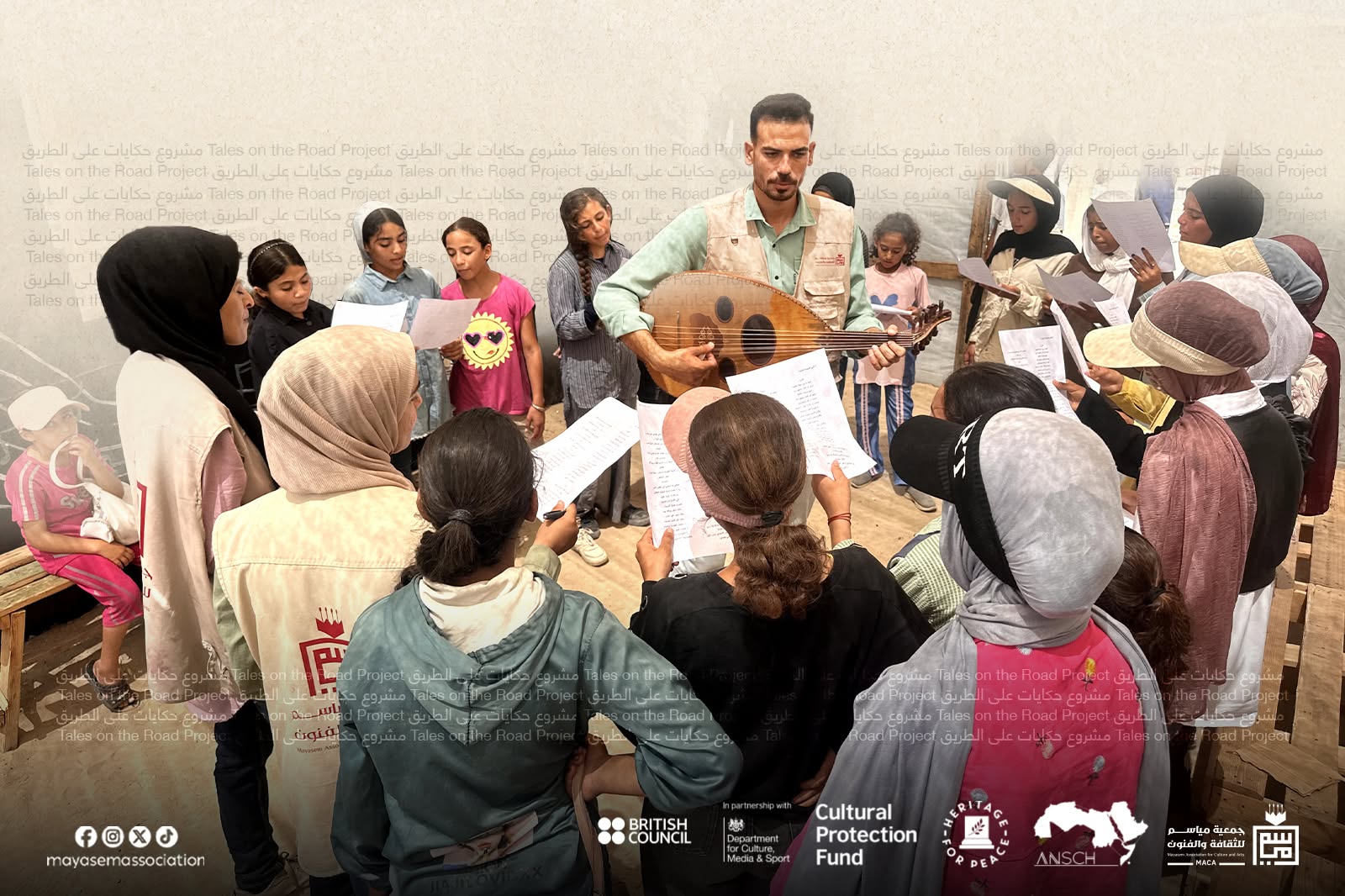
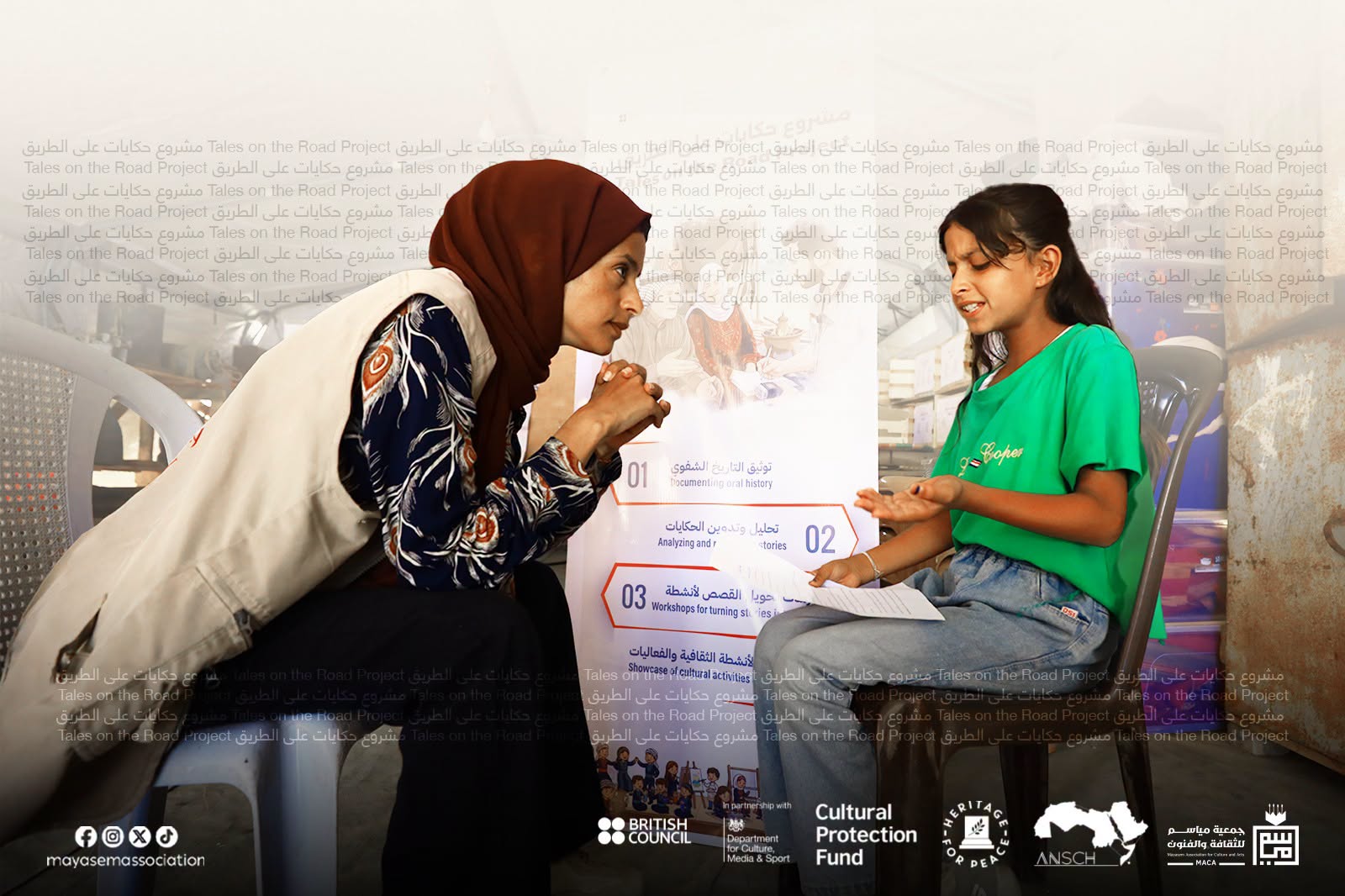
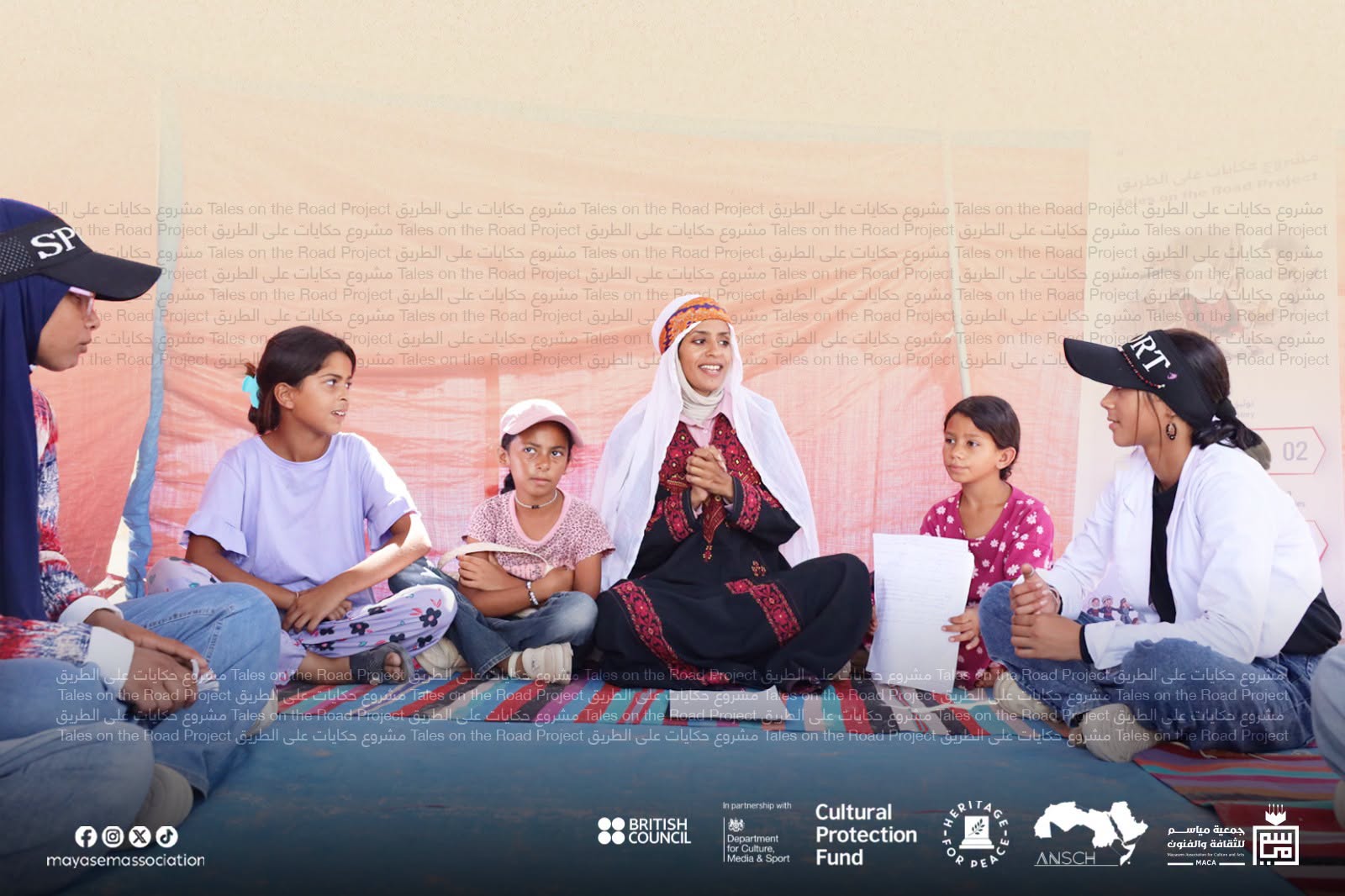
7. Project Title: Tales on the Road: Culture Reaches You.

Mayasem Association for Culture and Arts (MACA)– Palestine. 

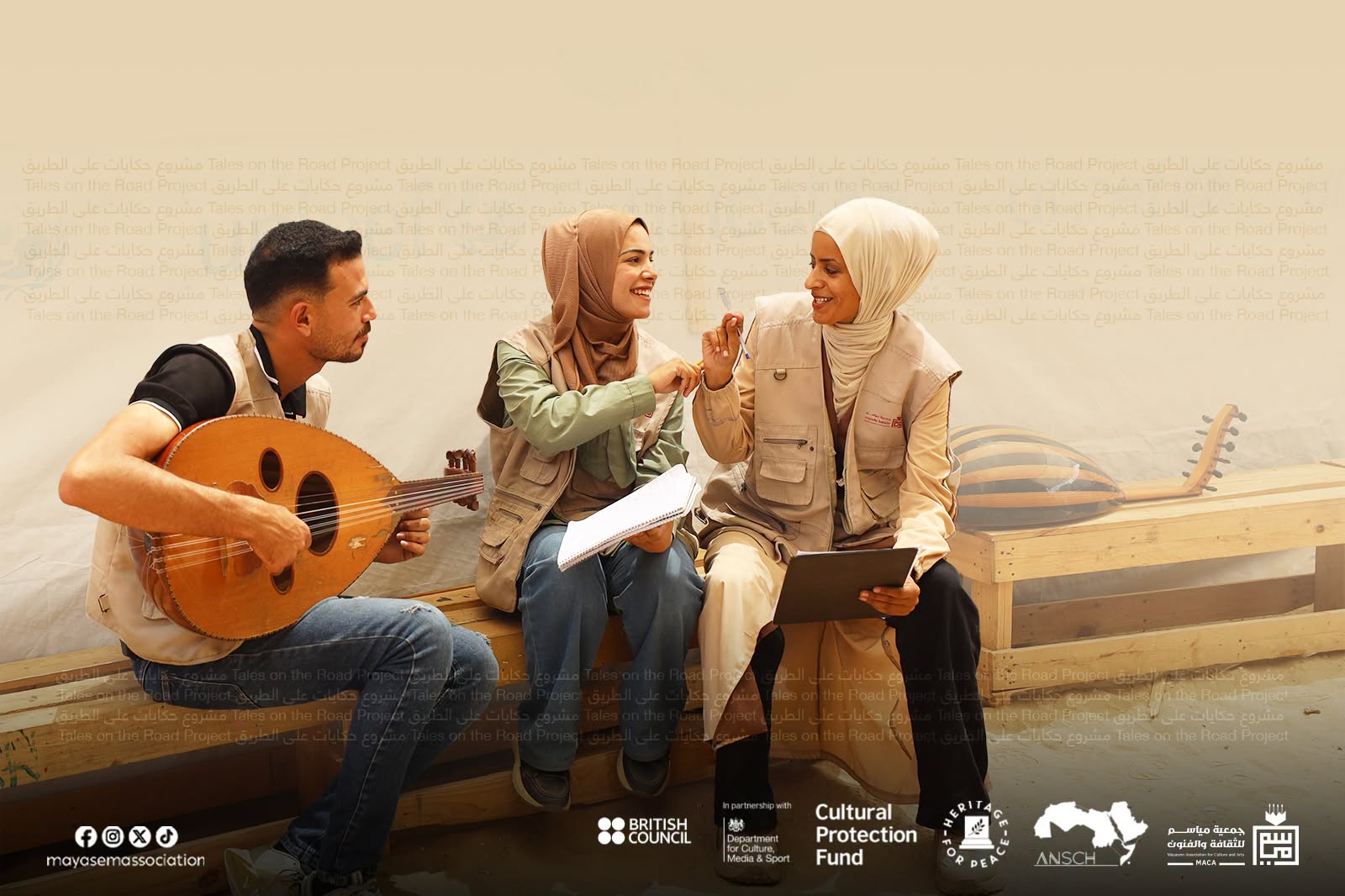
The project brings cultural and artistic activities to affected communities and displacement areas across Gaza through storytelling sessions, interactive theatre, and participatory arts workshops. It also provides training for young people and documents stories of displacement, resilience, and collective memory.

8.Project Title: Living Heritage: Sudanese Women’s Cultural Memory, Creativity, and Preservation in Egypt

Tadamon Egyptian Multicultural Council for Refugees – Sudan. 

The project provides Sudanese women in Cairo and Alexandria with a space to share and reinterpret their cultural practices, including henna, traditional clothing, and visual arts. It involves participatory workshops and the documentation of cultural knowledge, stories, and materials, alongside the establishment of a digital museum to preserve this cultural memory.

9. Project Title: Voices of Nineveh: Documenting and Safeguarding Endangered Traditional Singing.

Book Forum Foundation for Culture and Education – Iraq. 

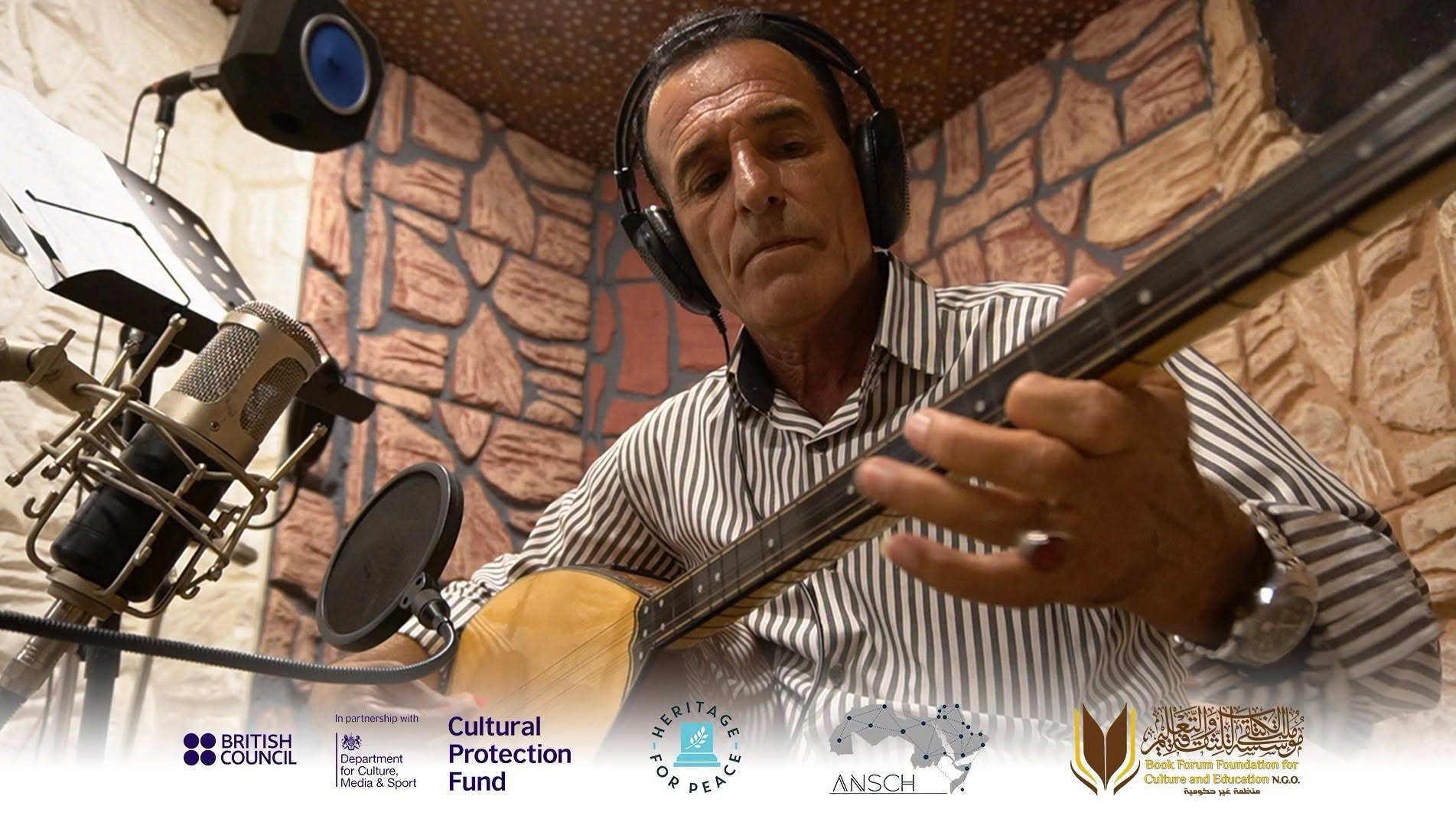
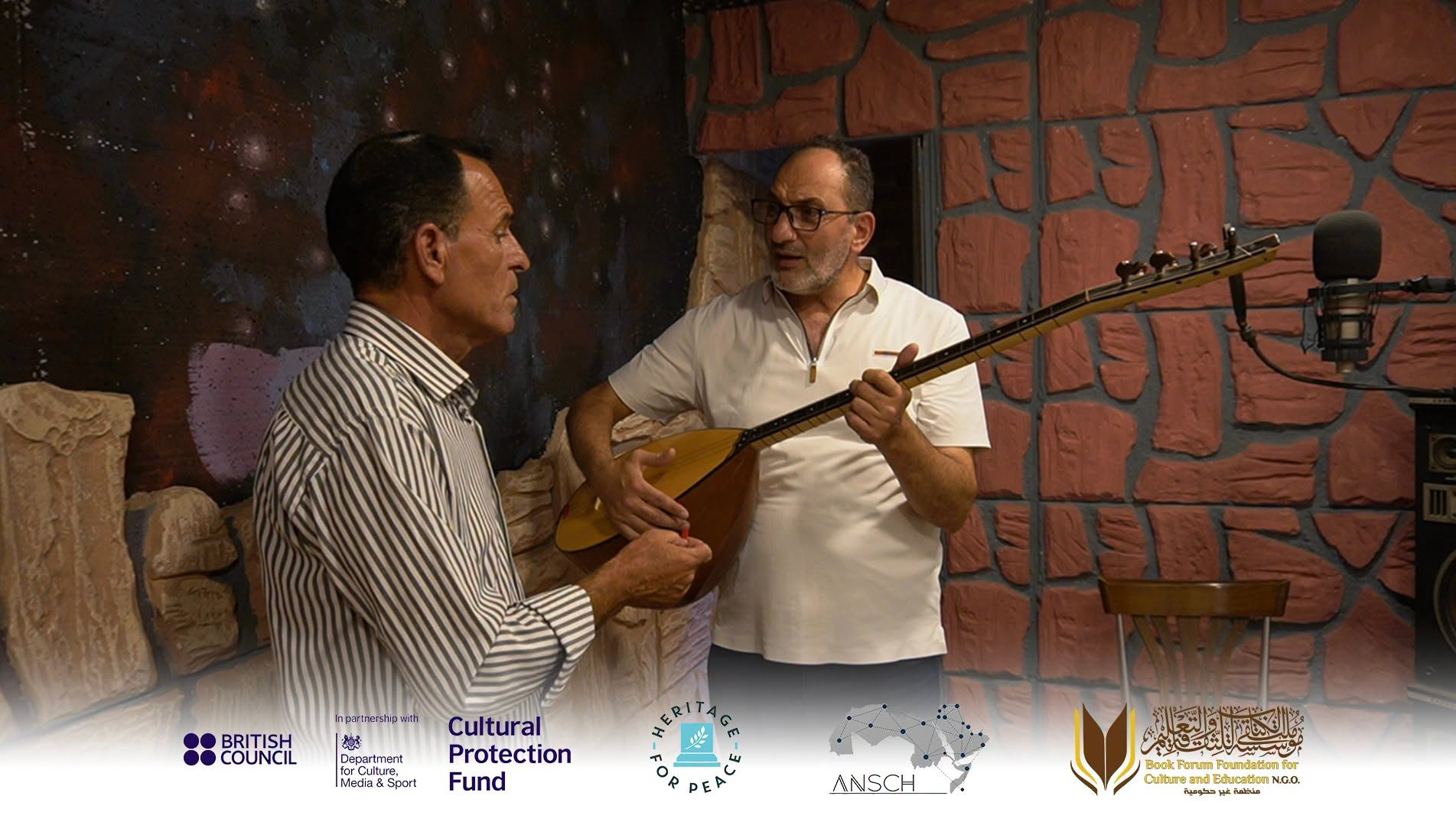
The project aims to document traditional singing practices in Nineveh, including Mosuli singing, Turkmen musical heritage in Tal Afar, and rural songs from southern Mosul. Its activities include audio recordings, musical transcription, and the preparation of an educational guide to support the transmission of this heritage to future generations.

10. Project Title: Documentation and Monitoring of Archaeological Sites in Diwaniyah.

The Sumerians’ Descendants Volunteer Team – Iraq. 

The project monitors and documents damage affecting ten archaeological sites threatened by looting and illegal excavations, using drone surveys and field visits. It also organises awareness-raising activities and training sessions to engage local communities in protecting their archaeological heritage.

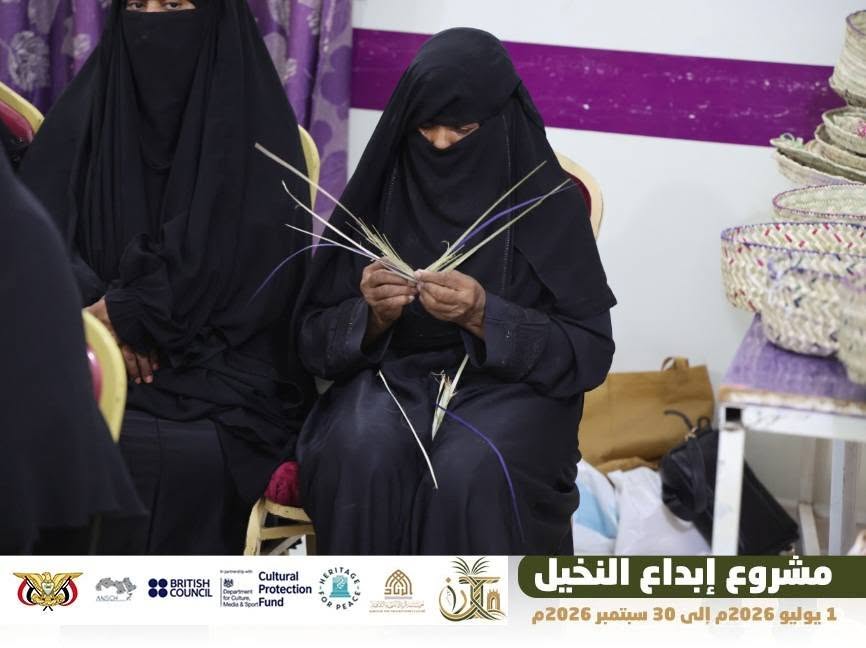
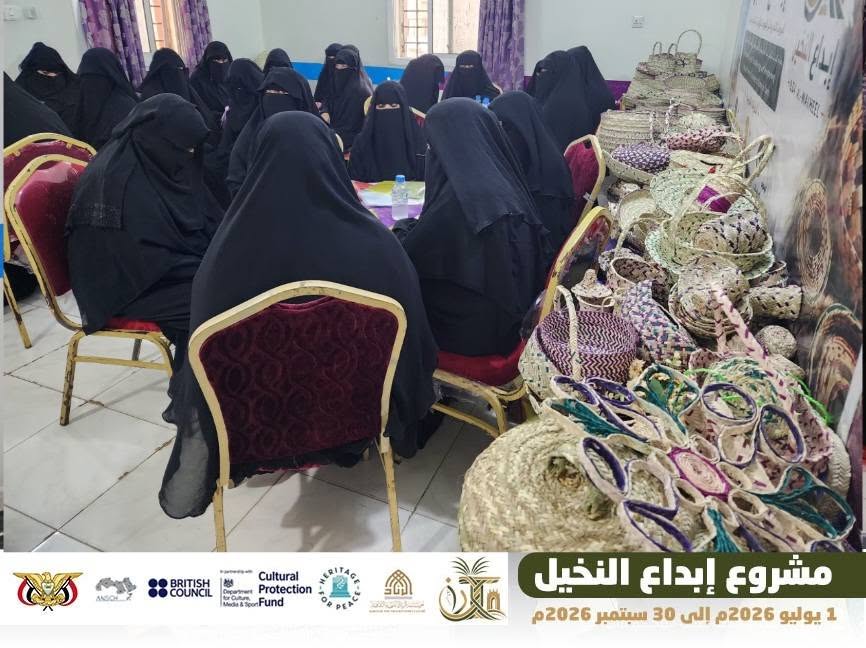
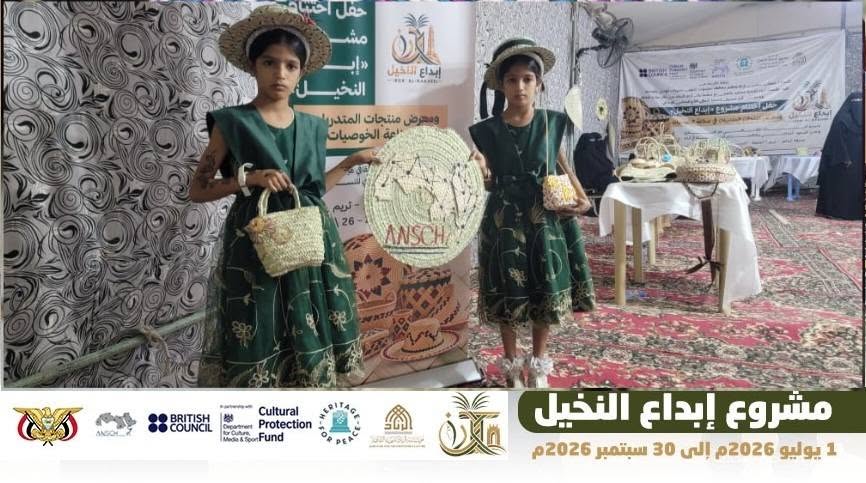
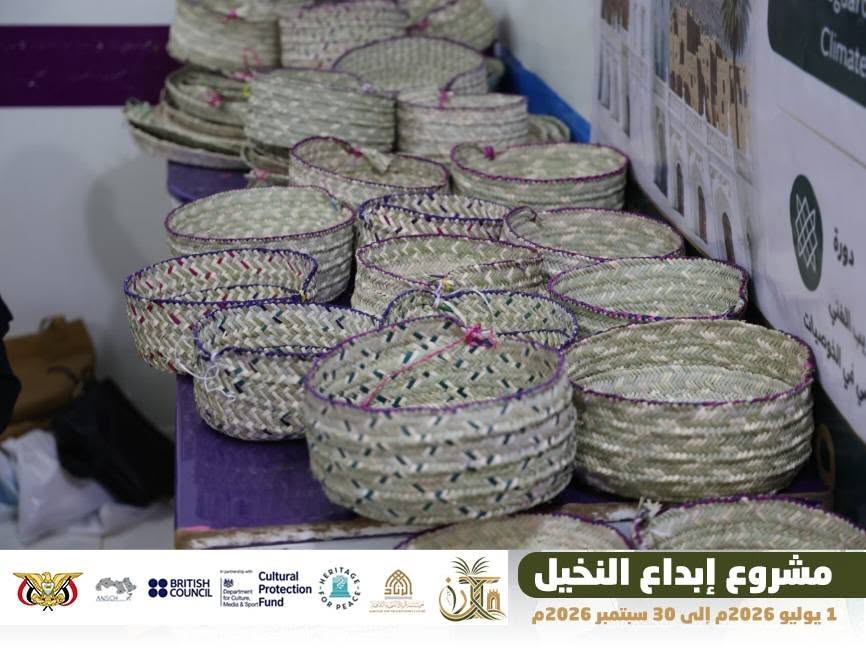
11. Project Title: Ibdaa Al-Nakheel – Palm Creativity.

Al-Renad Foundation for Cultural Development – Yemen. 

The project focuses on safeguarding the traditional palm-frond weaving craft in Tarim by training 20 women in advanced weaving techniques, product design, and marketing skills. It also includes an exhibition to showcase their products and connect participants with local markets, creating economic opportunities linked to heritage preservation.

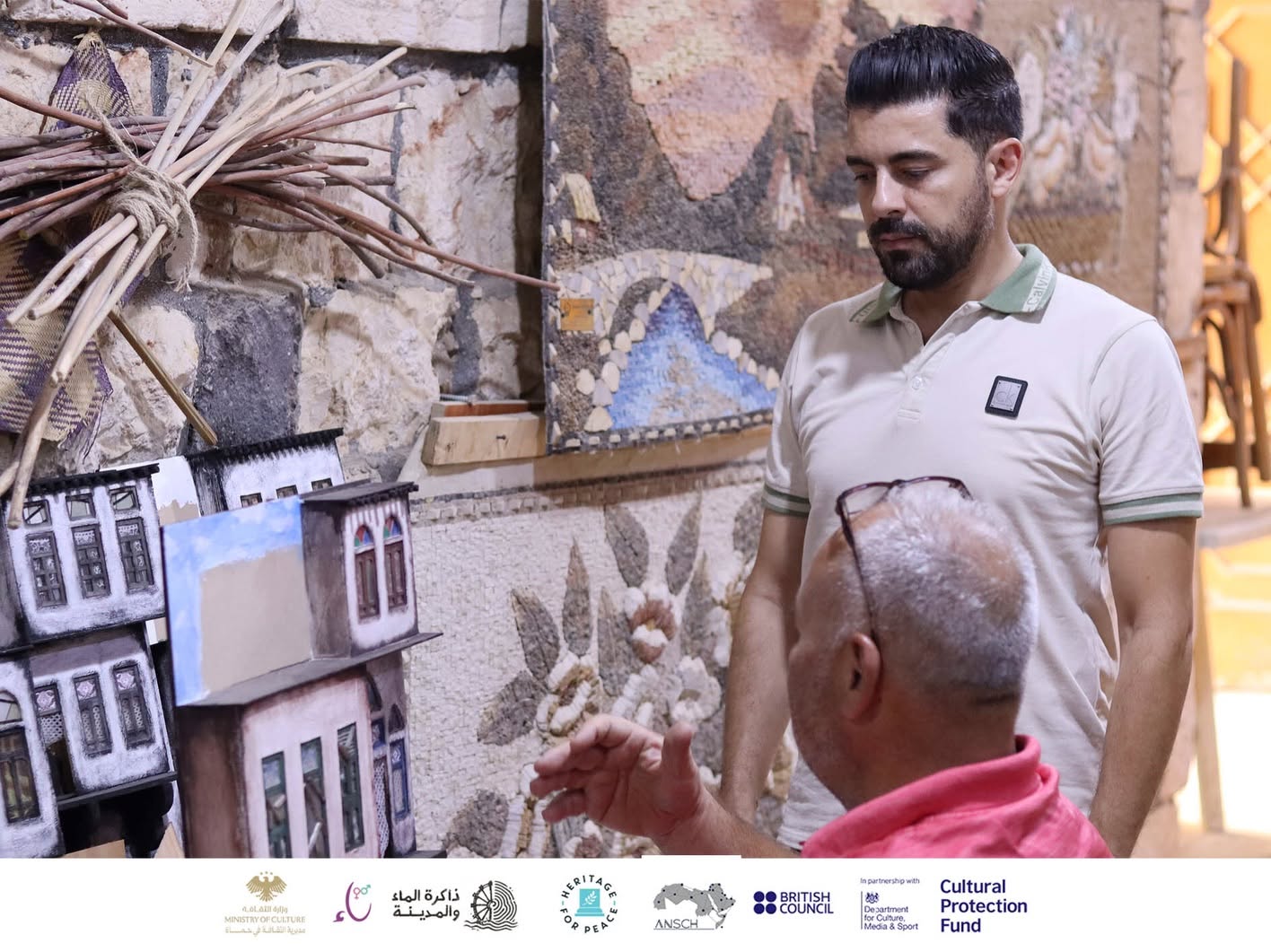
12. Project Title: Memory of Water and the City.

TAA Team – Syria . 

The project focuses on documenting the historic waterwheels of Hama, recognising them as an integral part of the city’s identity and water-related heritage. Activities include field visits, photography, condition assessments, information gathering, and oral history documentation. The aim is to develop a digital register and a simplified heritage map, while training young people and volunteers in documentation methods

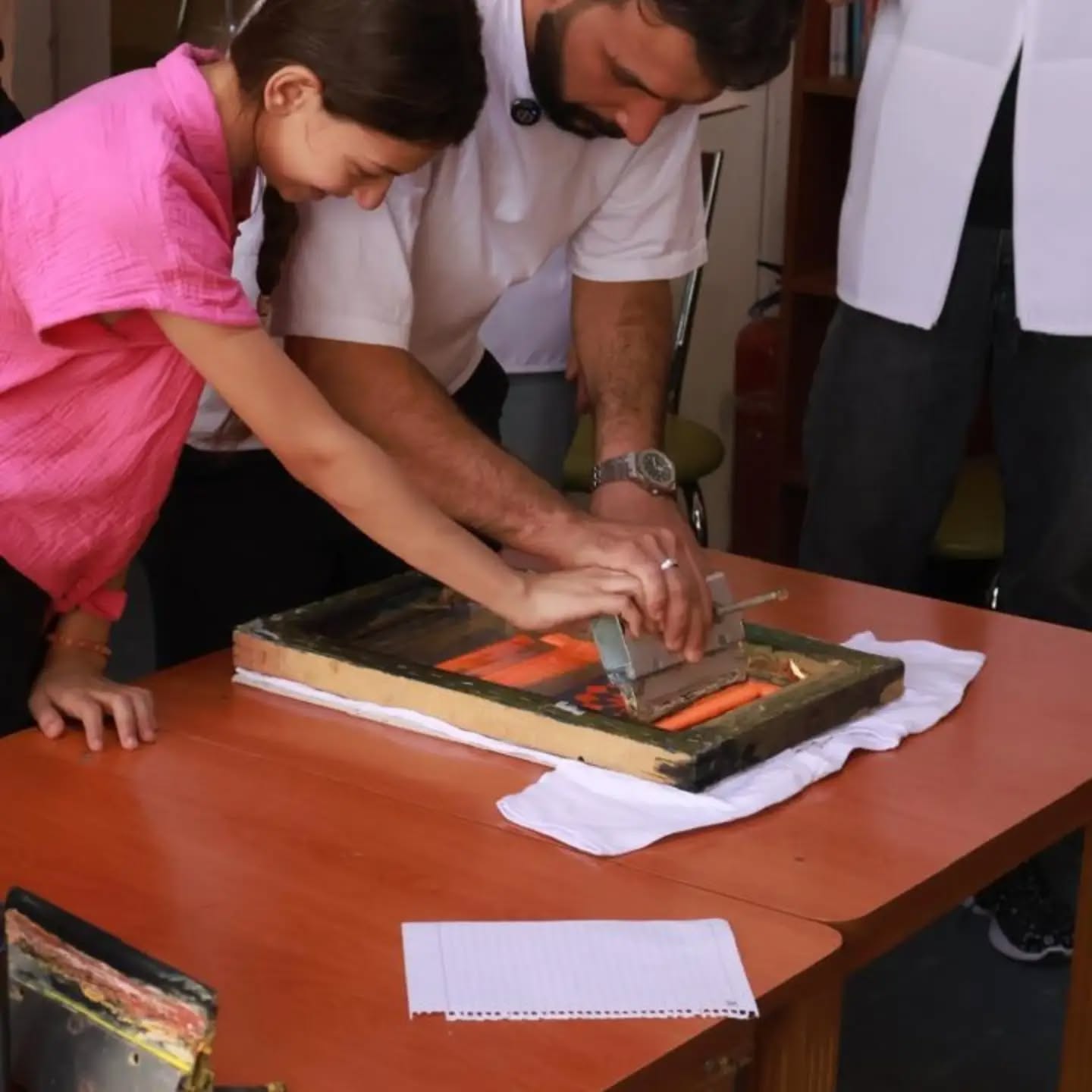
13. Project Title: Silk Screen Ambassadors.

Snobar Foundation – Syria . 

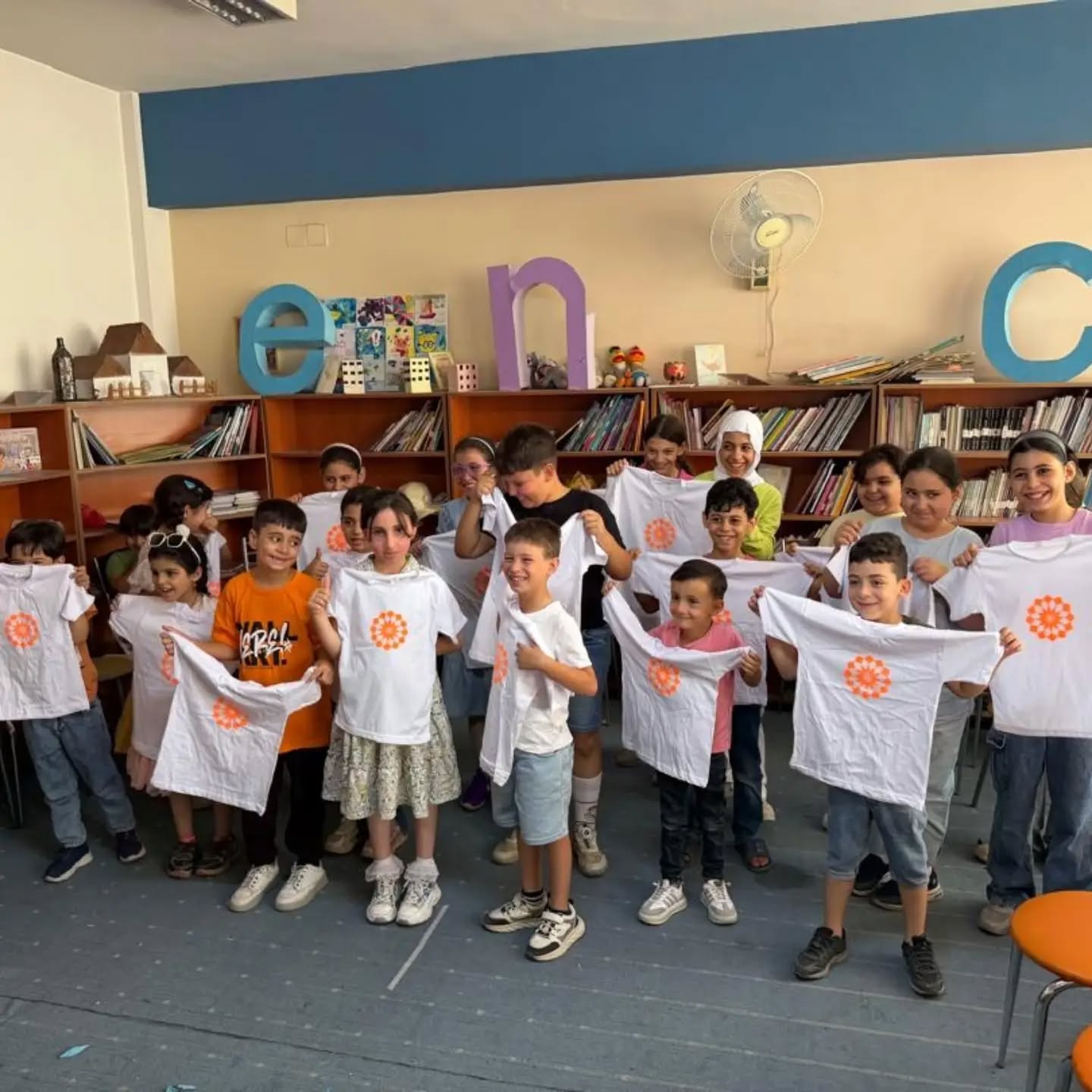
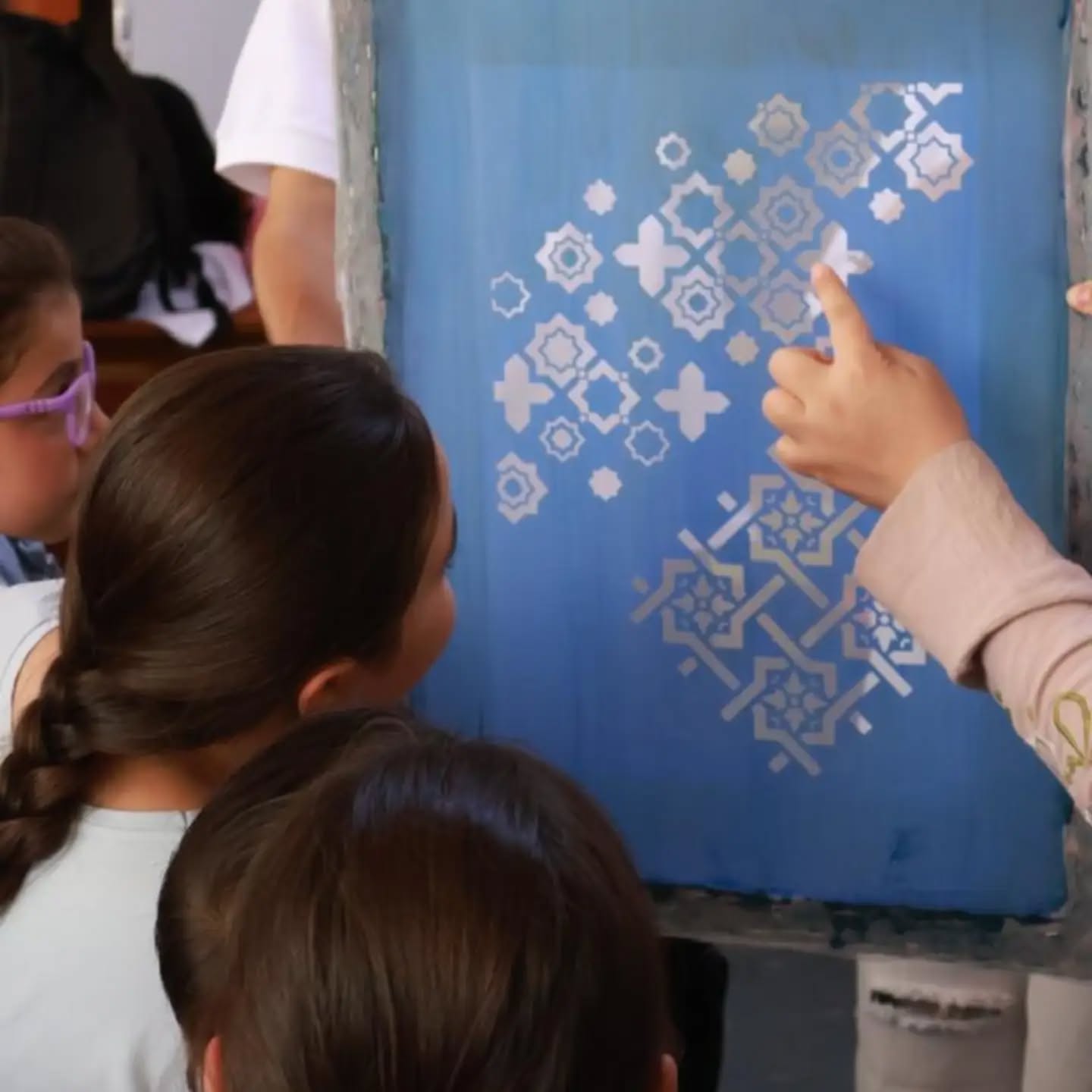
The project aims to document and transmit the traditional Damascene silk-screen printing craft to younger generations. Activities include training young people in documentation and organising workshops for children in museums, cultural centres, and schools. The project also produced documentary films and an informational booklet about the craft, contributing to greater awareness of its cultural value.

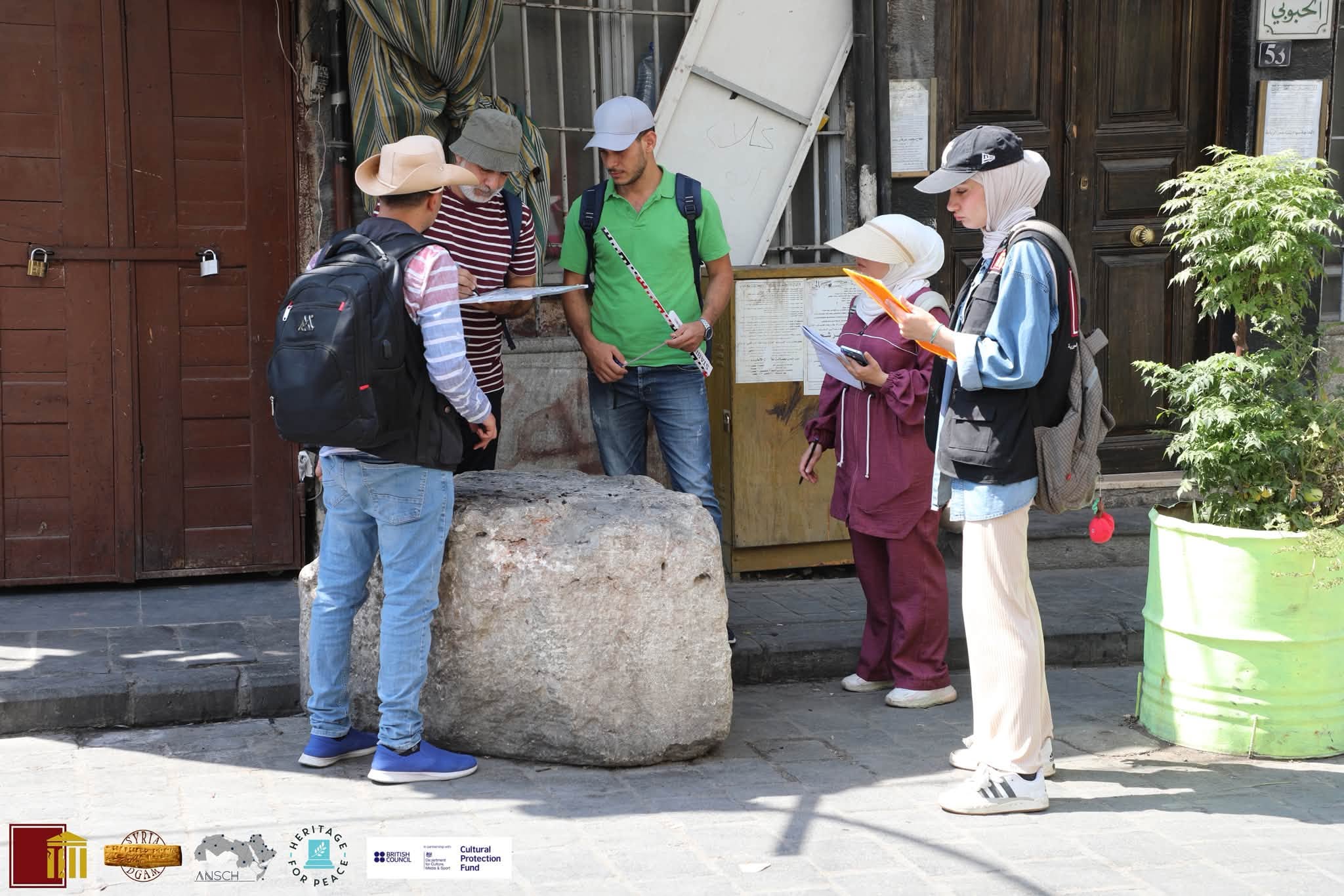
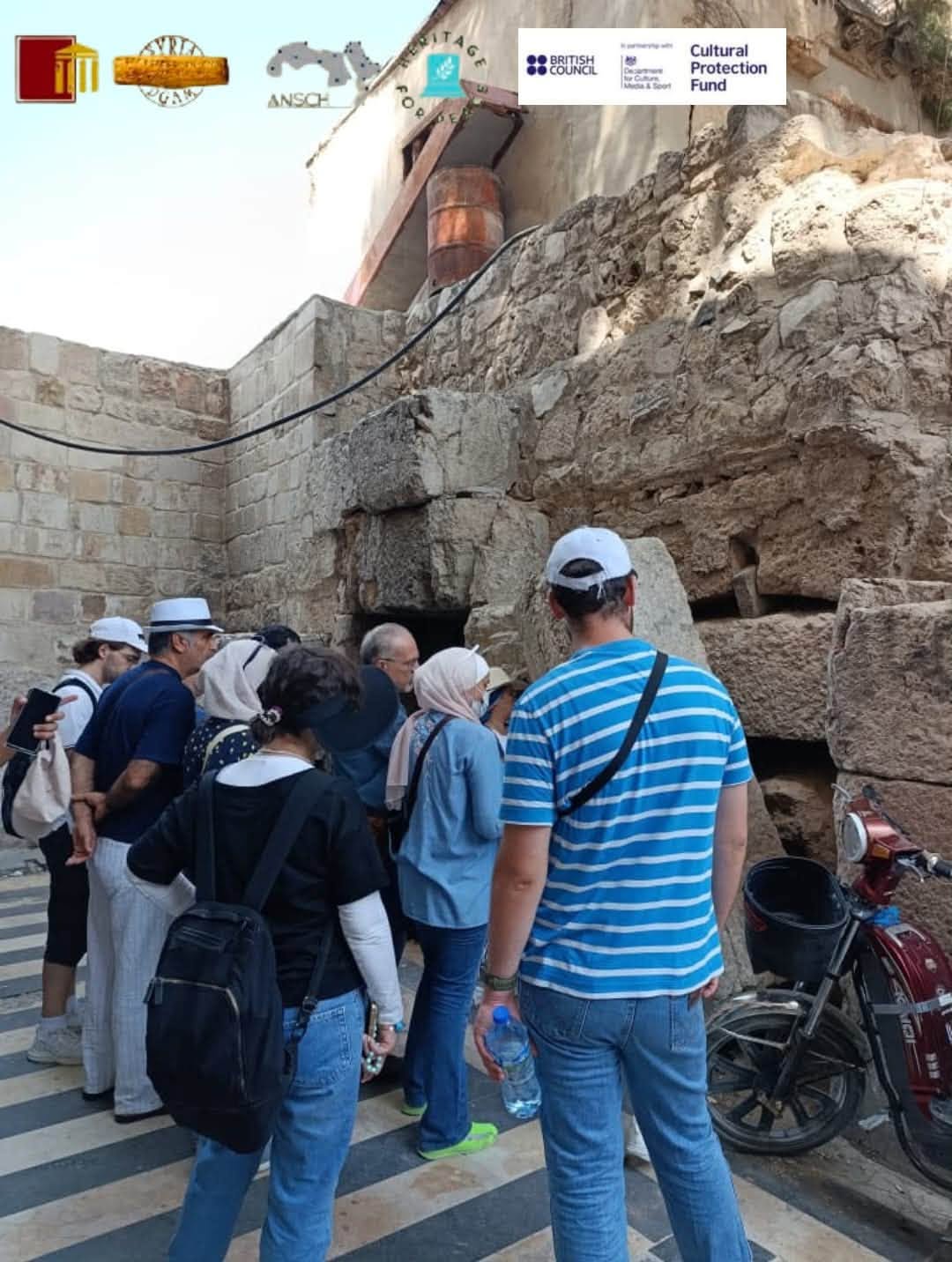
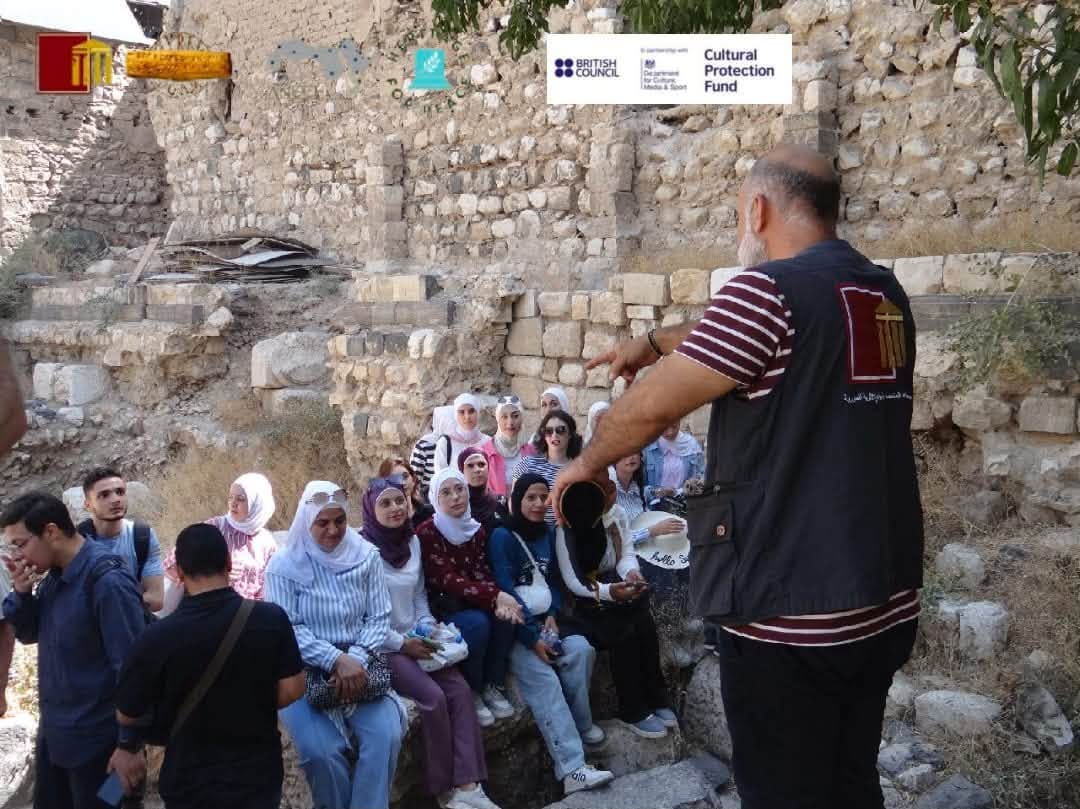
14. Project Title: Survey of Classical Elements in Old Damascus.

Friends of Museums and Archaeological Sites Association – Syria . 

The project seeks to identify and document historical architectural elements of Roman and Byzantine origin embedded within the urban fabric of Old Damascus. Through field surveys, photography, and historical research, it aims to develop a digital database and an interactive map that will make these elements more visible and highlight their heritage value.

Building Resilience is implemented by Heritage for Peace through the Arab Network of Civil Society Organizations to Safeguard Cultural Heritage (ANSCH), with funding from the Cultural Protection Fund of the British Council.