Manbij Heritage Protection Project

Manbij is one of the region’s most historically rich cities, located in northern Syria, shaped by successive civilizations over thousands of years. From its early roots in the Aramaic and Hellenistic periods to its prominence under Roman and Byzantine rule, Manbij has long been a crossroads of cultures, trade routes, and ideas.
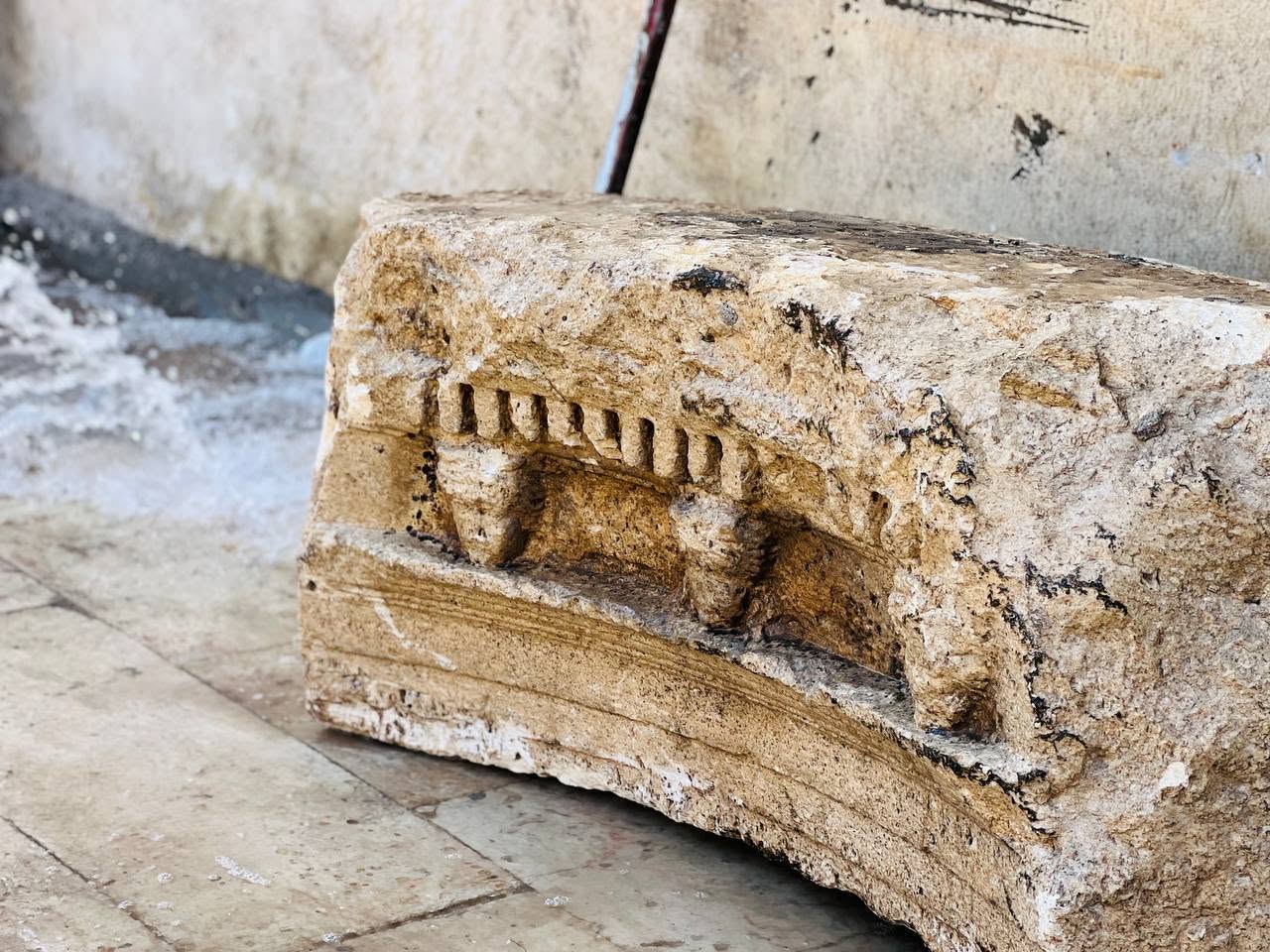
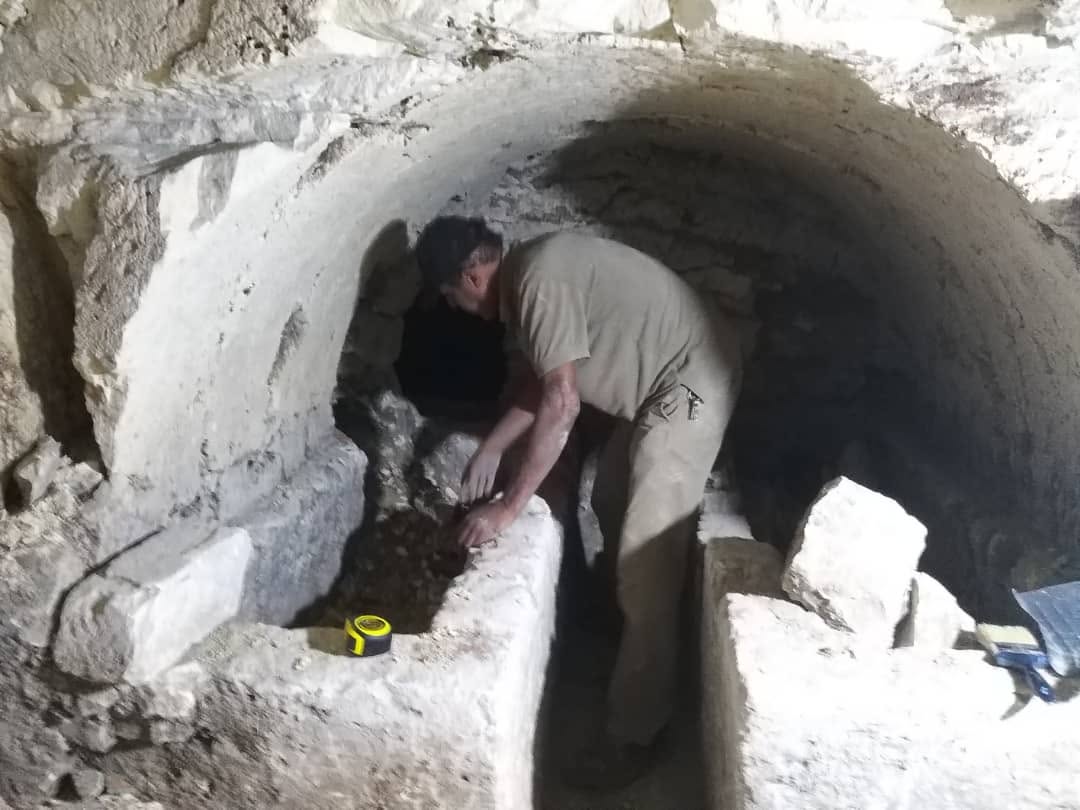
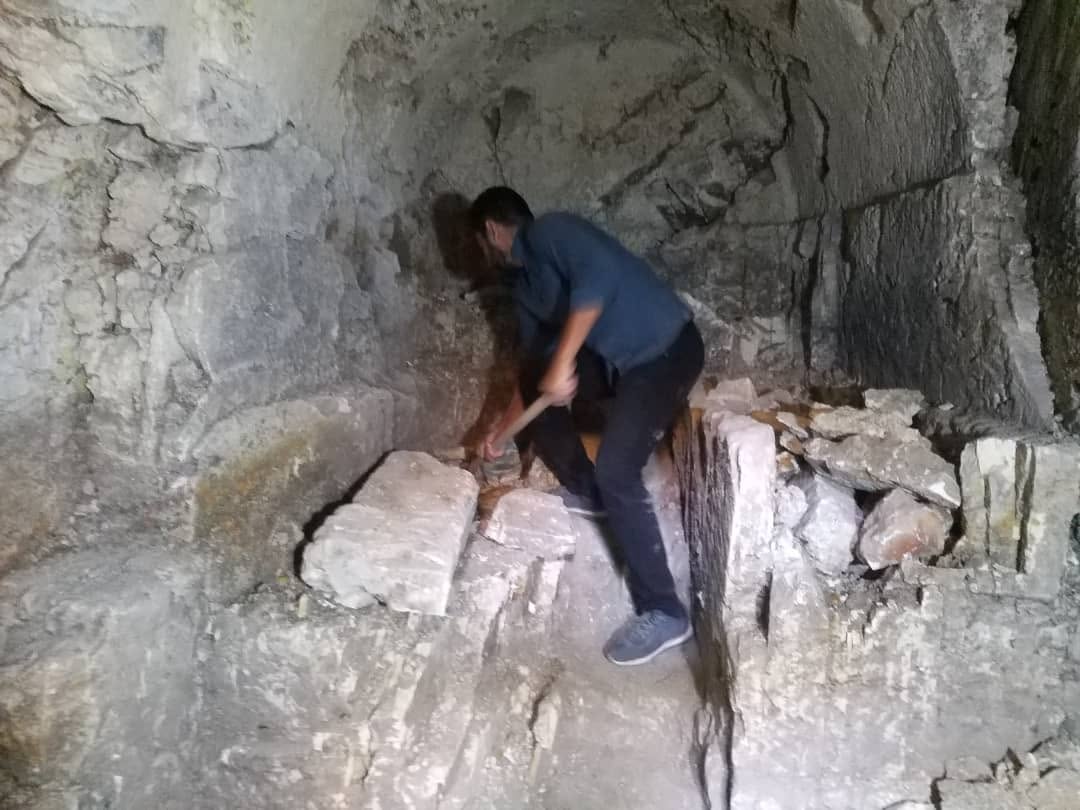
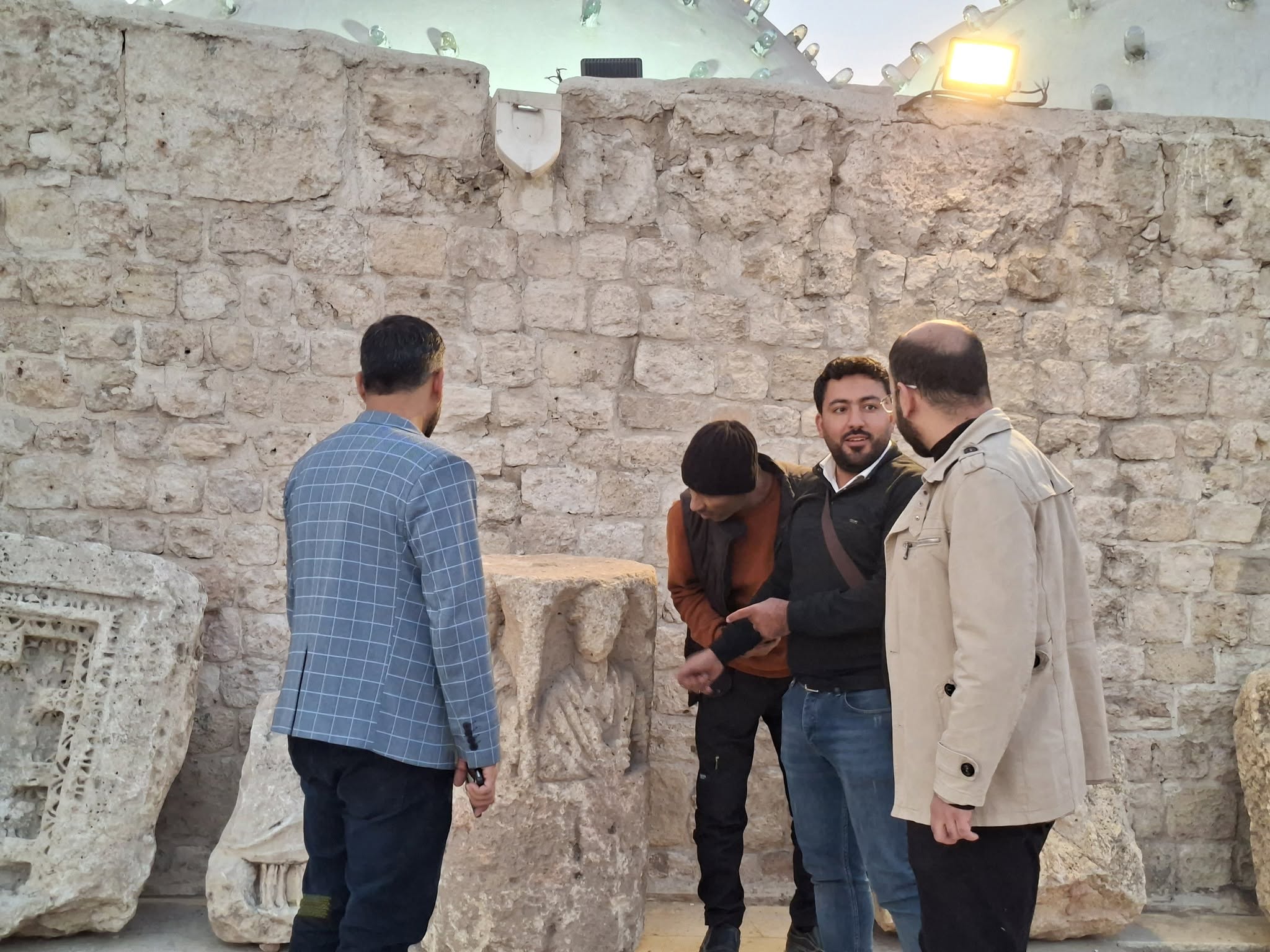
The city is home to significant archaeological remains, including Roman tombs, ancient settlements, and movable artefacts that reflect its diverse cultural layers. This unique heritage makes Manbij not only an important historical site but also a symbol of shared identity and cultural continuity.
However, years of conflict have placed this heritage at serious risk, threatening both physical remains and the cultural memory of the community.
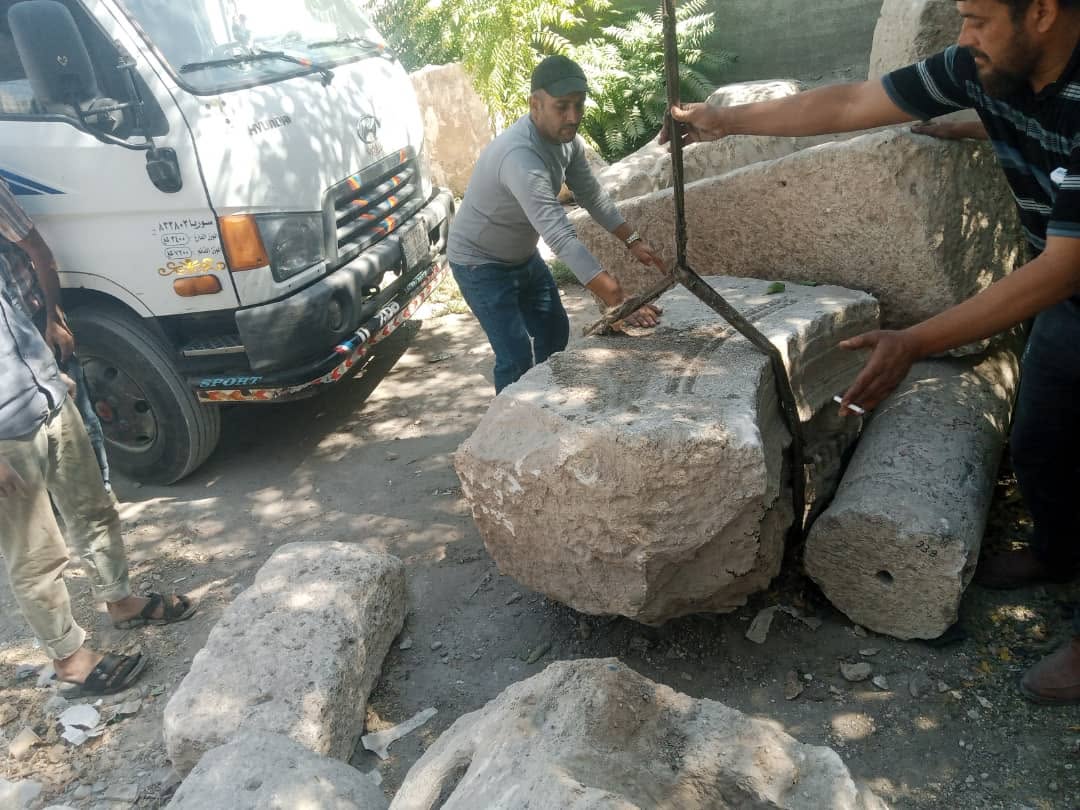
The Manbij Heritage Protection Project (June to December 2025) was developed as an emergency response to safeguard the city’s cultural heritage under challenging conditions.
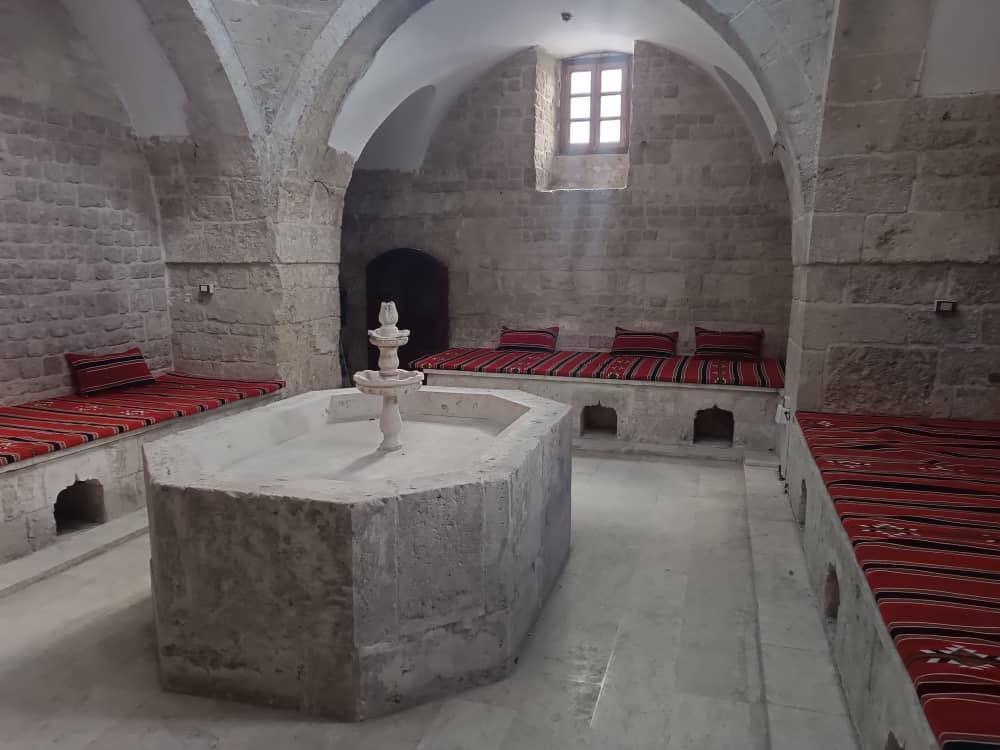
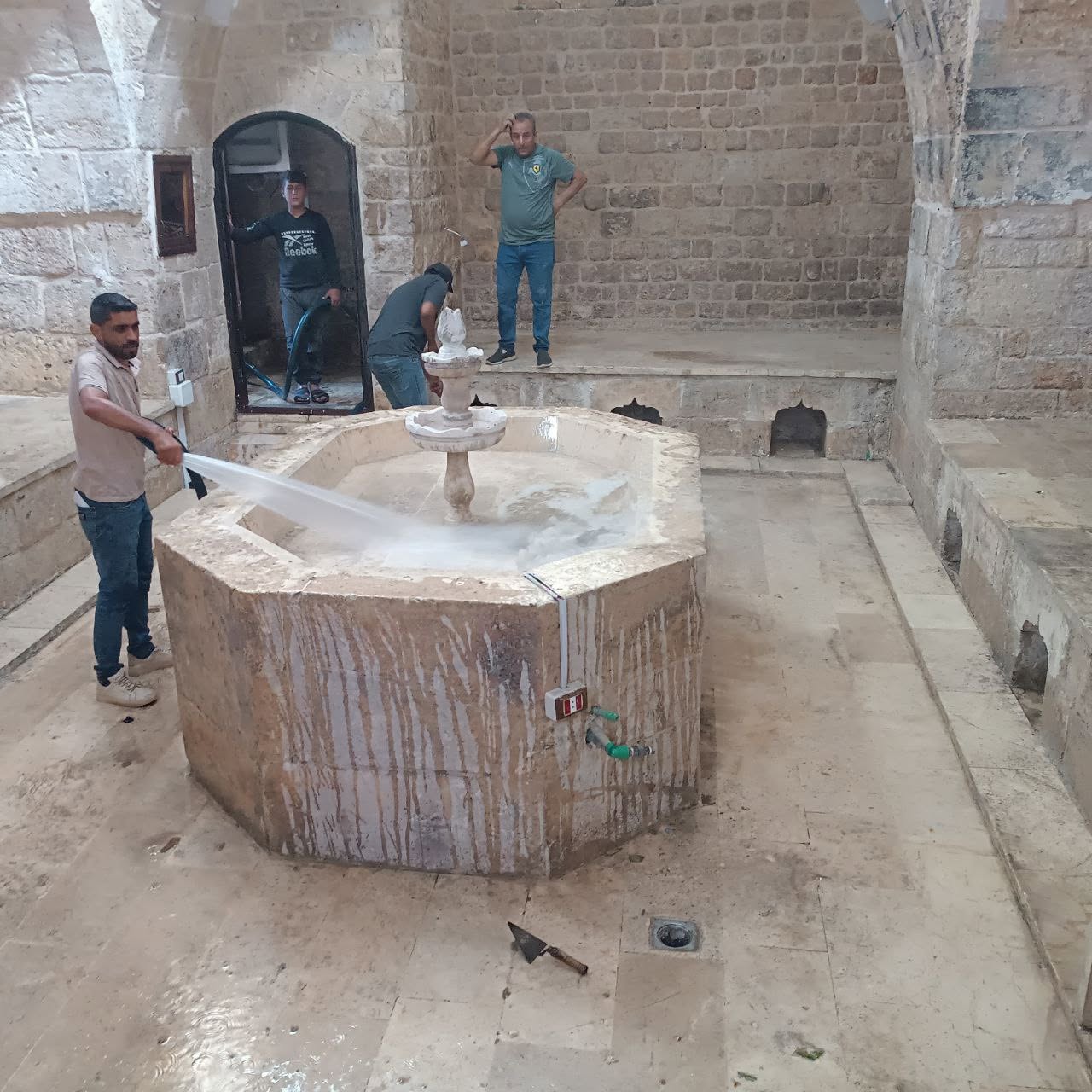
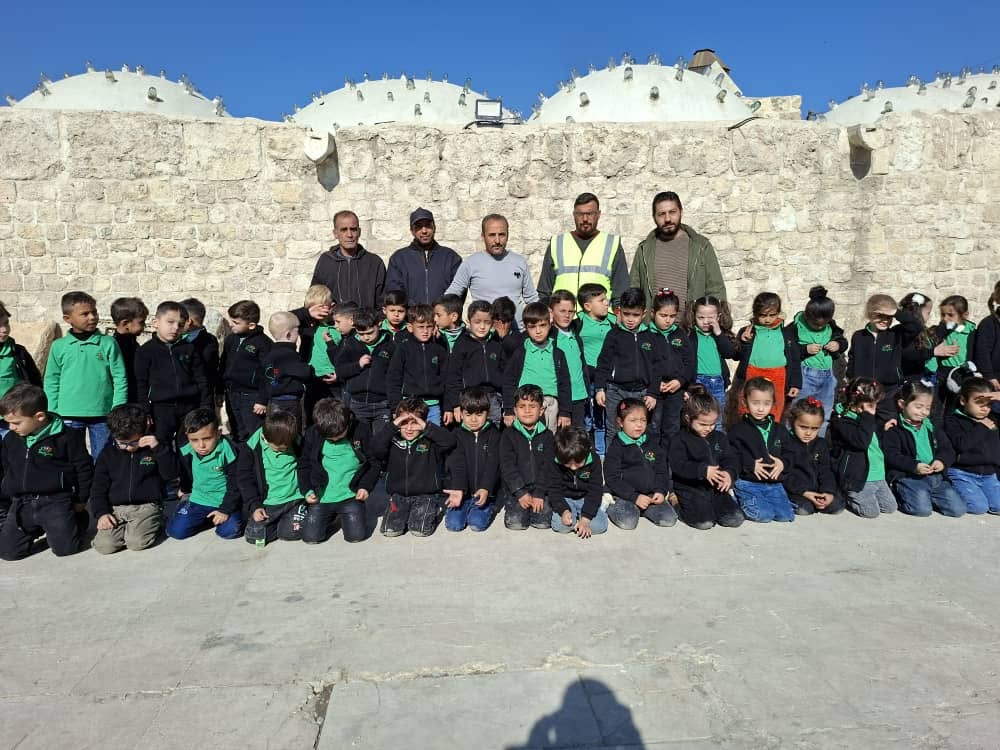
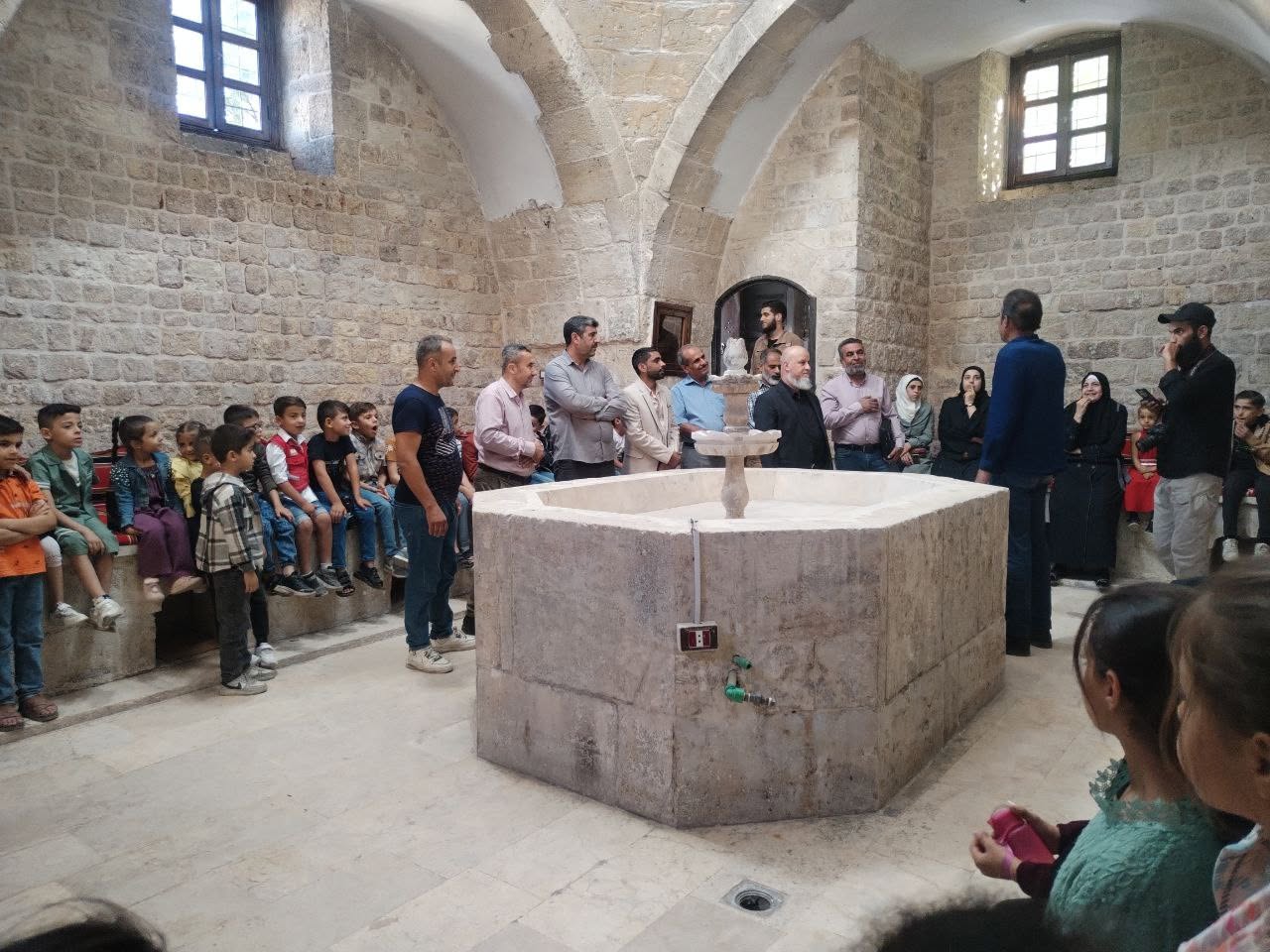
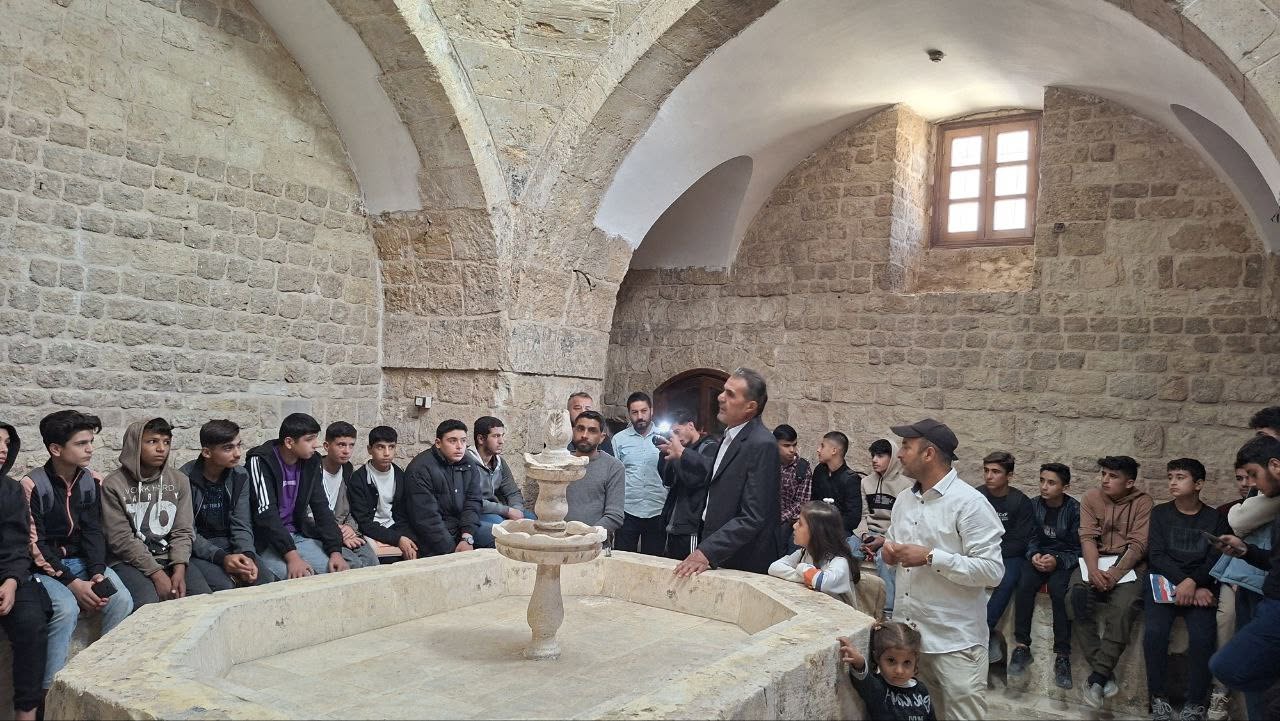
At the core of the project is the transformation of the Ottoman Hammam into a Heritage Protection Center and Community Cultural Hub—a space where preservation, education, and community engagement come together.
The project adopts an integrated approach that combines technical conservation, digital documentation, and community participation to ensure both immediate protection and long-term sustainability.

Five interrelated objectives that collectively aim to ensure the protection and sustainability of Manbij’s cultural heritage. It focuses on safeguarding endangered artefacts through systematic recovery and thorough documentation, while simultaneously promoting public awareness and strengthening community engagement to foster a sense of shared responsibility. In parallel, the project seeks to build local capacity by equipping young heritage professionals with the skills and knowledge they need. A key component also includes the development of a unified digital database to support efficient heritage documentation and management. Additionally, special attention is given to protecting vulnerable archaeological sites, particularly Roman tombs, which are at significant risk and require urgent conservation efforts.

Key Achievements

1. Artefact Recovery and Documentation
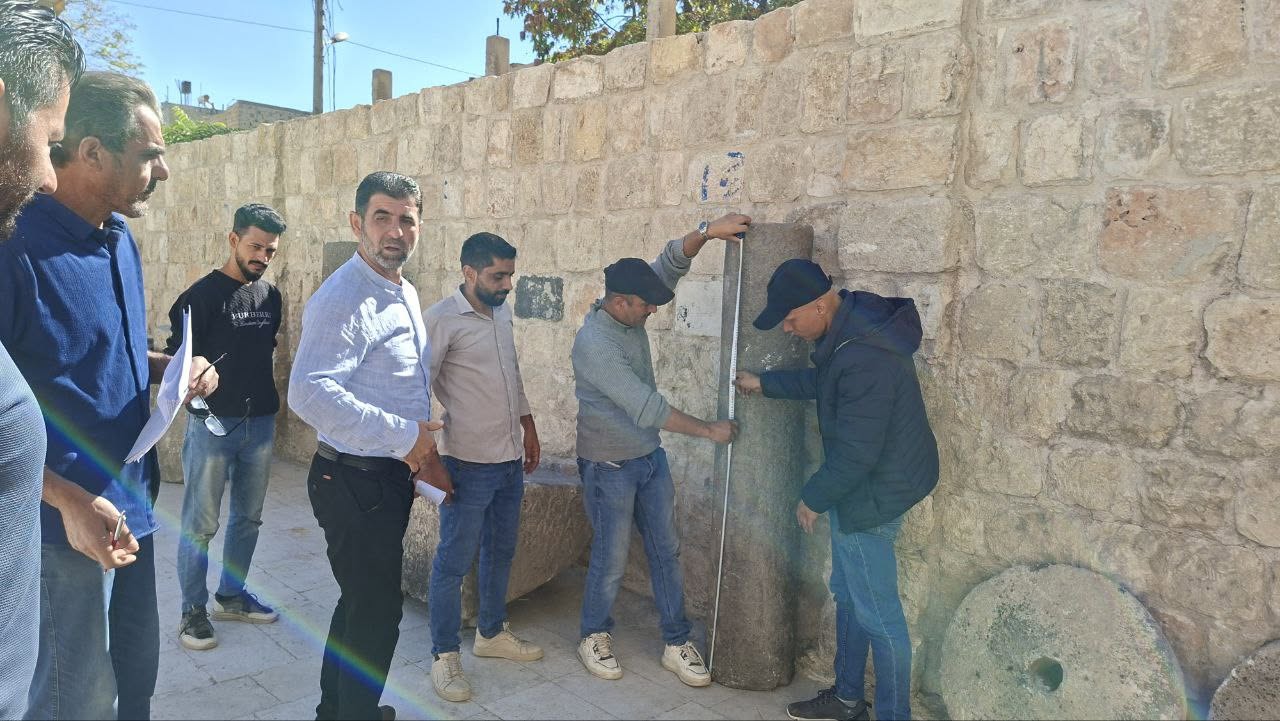
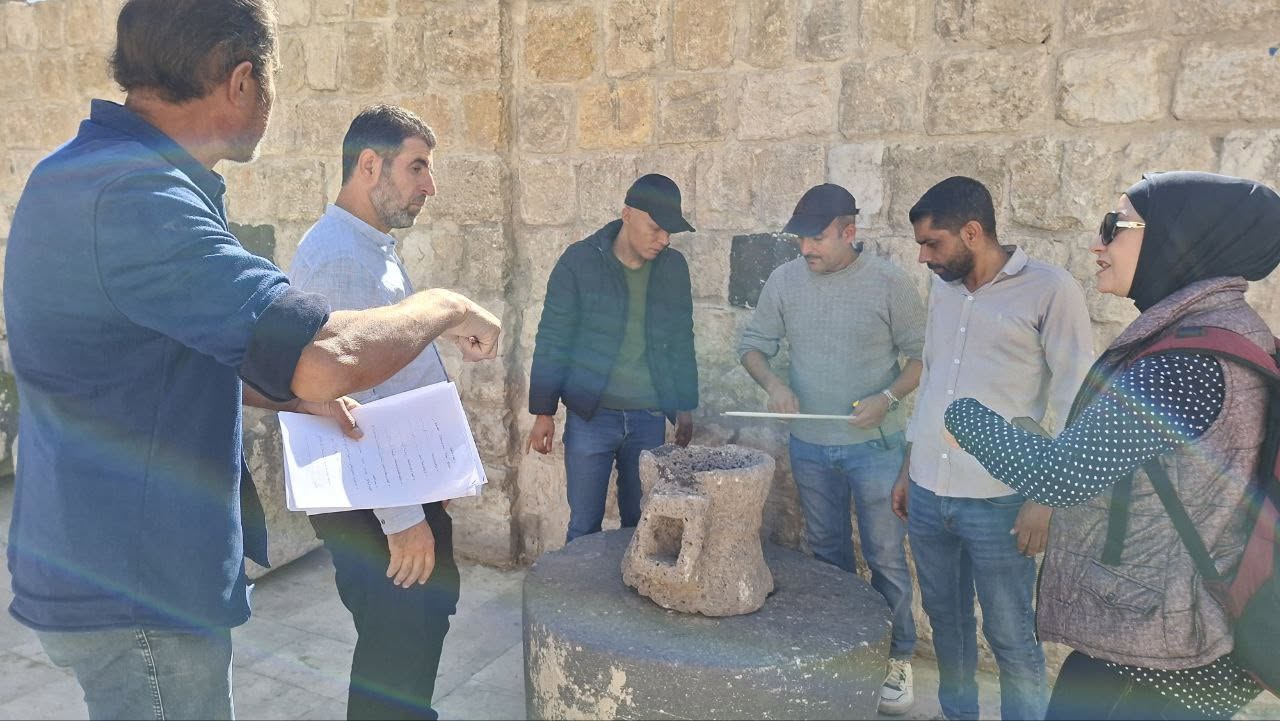
The project has delivered significant and measurable results across multiple levels, reflecting its integrated approach to heritage protection and community engagement. A total of 52 artefacts were successfully recovered, carefully documented, and secured within a unified digital system, ensuring their long-term preservation and accessibility for future research and monitoring.
2. Capacity Building and Sustainability
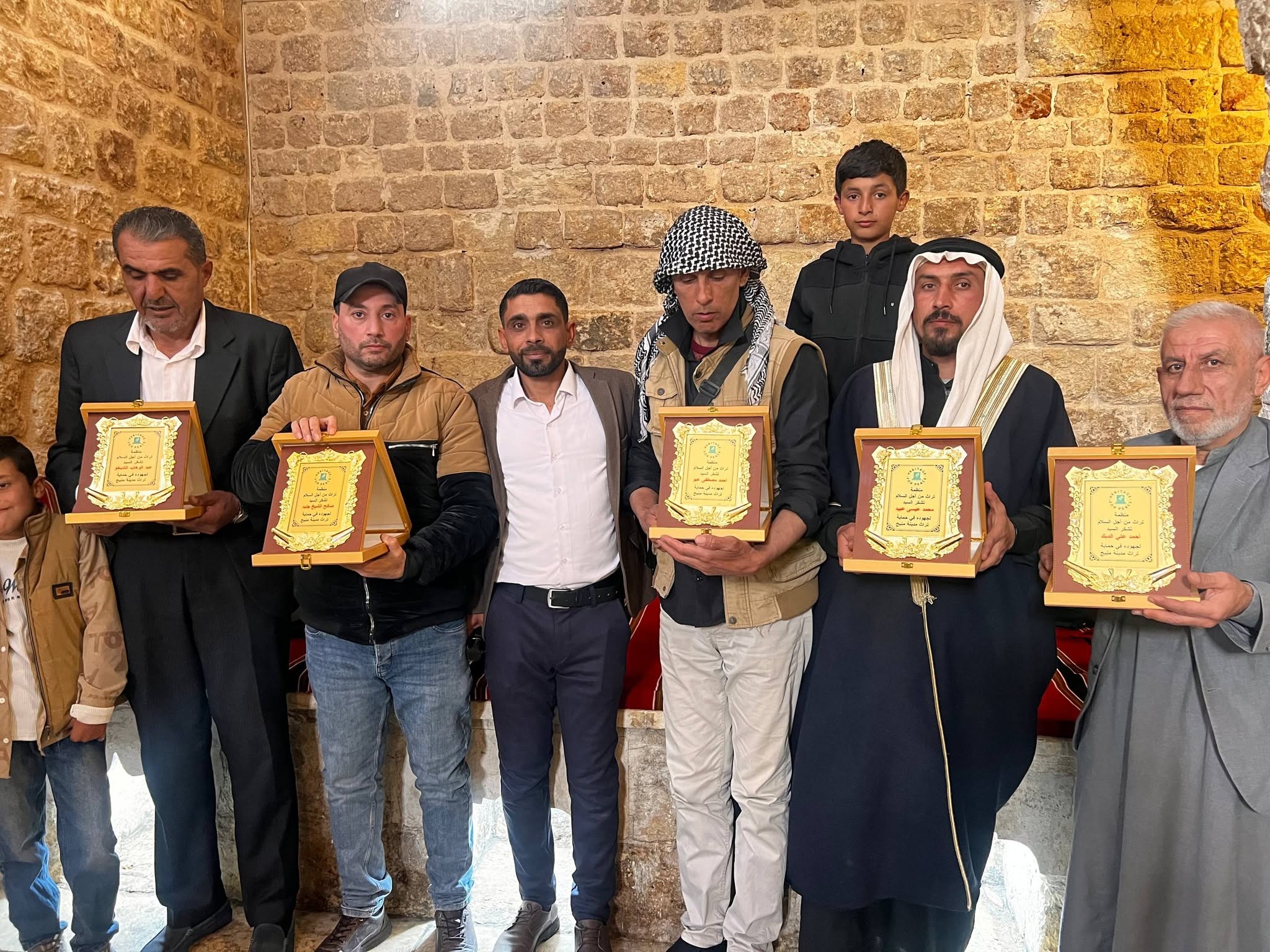
To ensure sustainability, the project also invested in capacity building by training 10 young professionals in heritage documentation and first-aid response for cultural sites. This has contributed to building a skilled local team capable of continuing preservation efforts beyond the project’s duration.
3. Revitalization of the Ottoman Hammam
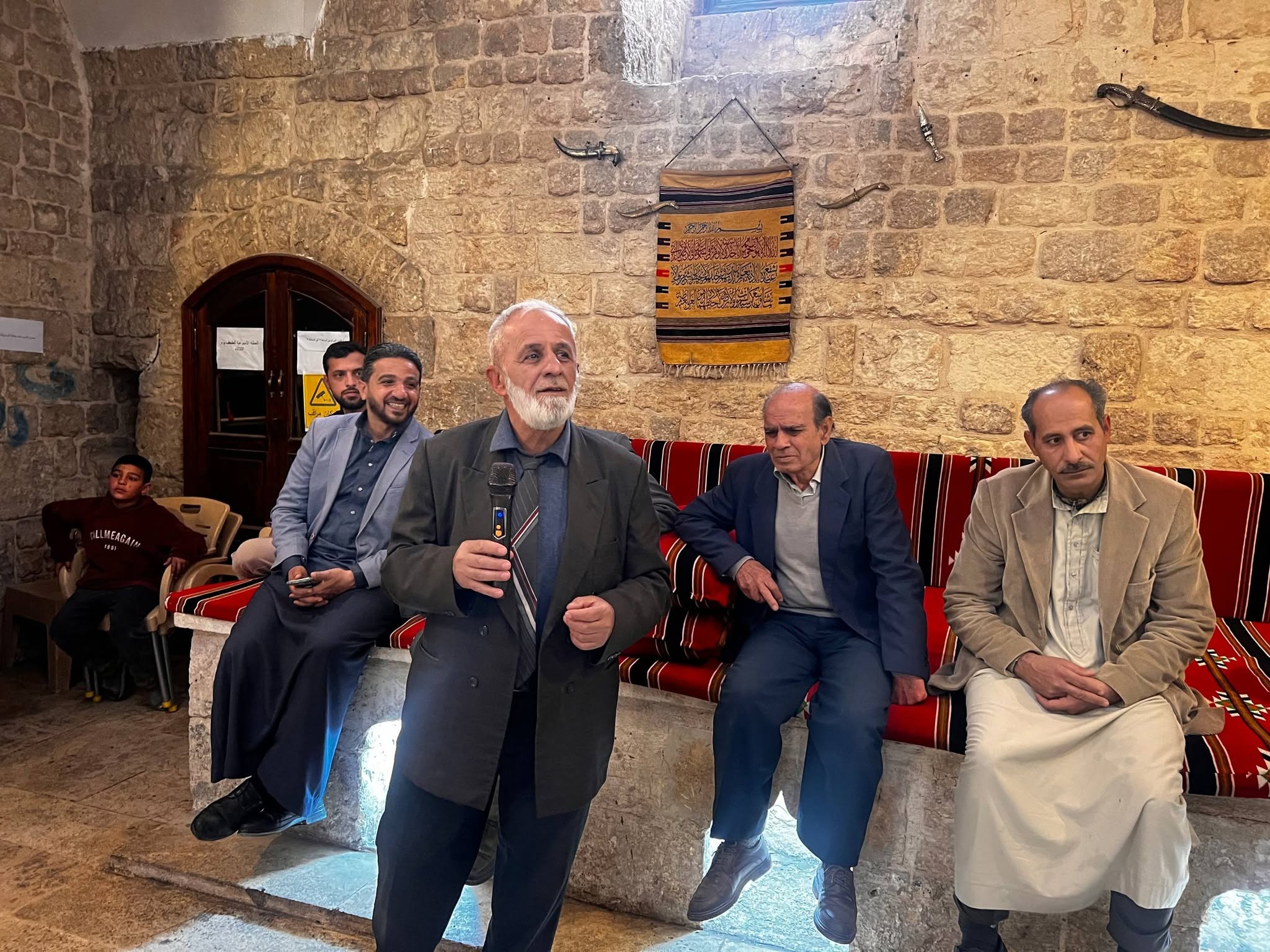
A major milestone was the revitalization of the historic Ottoman Hammam, which has been transformed into a vibrant cultural and community center. This space now serves as a focal point for heritage activities, public interaction, and cultural exchange within the city.
4. Public Awareness and Educational Engagement
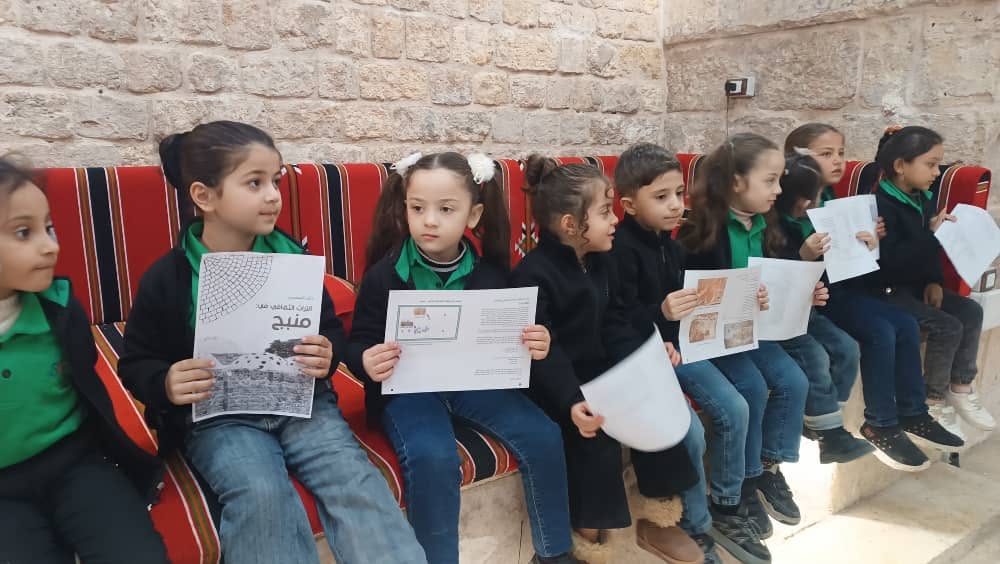
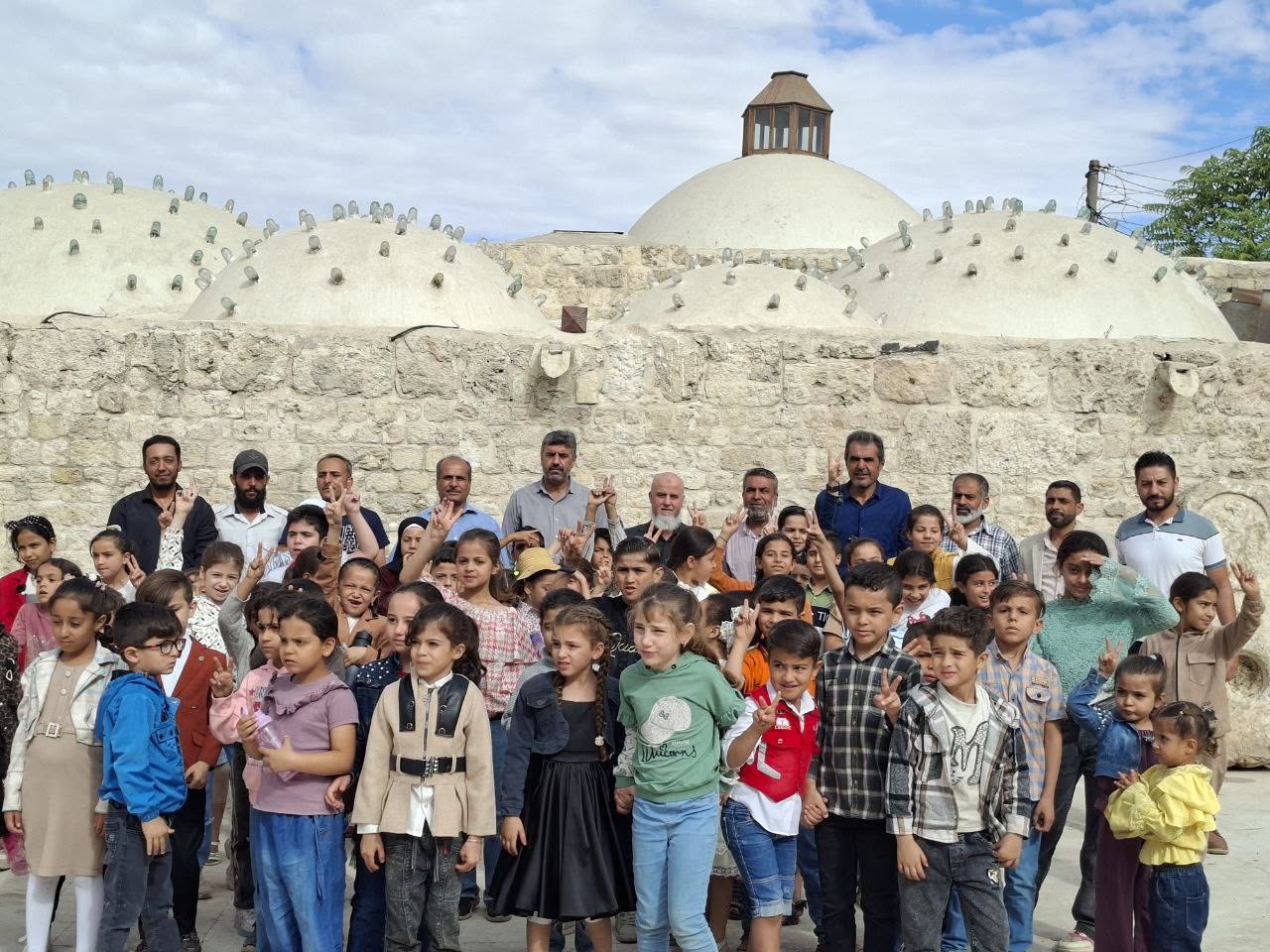
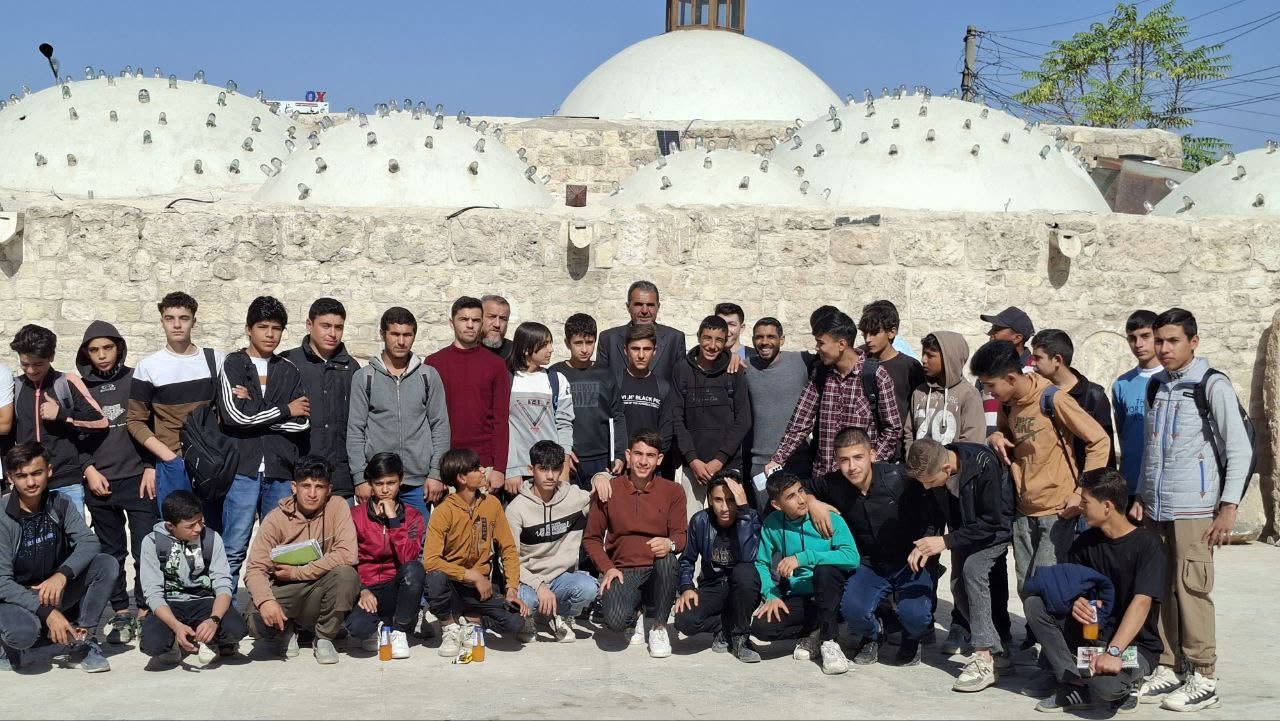
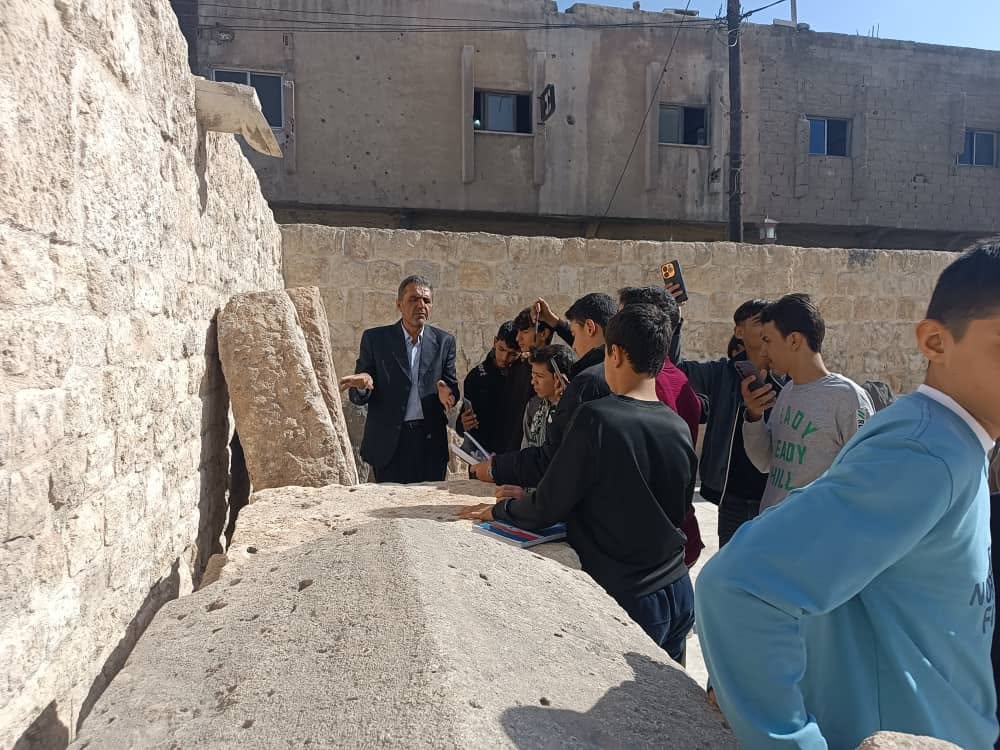
Public engagement was further strengthened through the organization of five educational events, which directly reached around 400 students. These activities helped raise awareness among younger generations and foster a deeper connection to local heritage and identity.
5. Community Outreach and Visitor Engagement
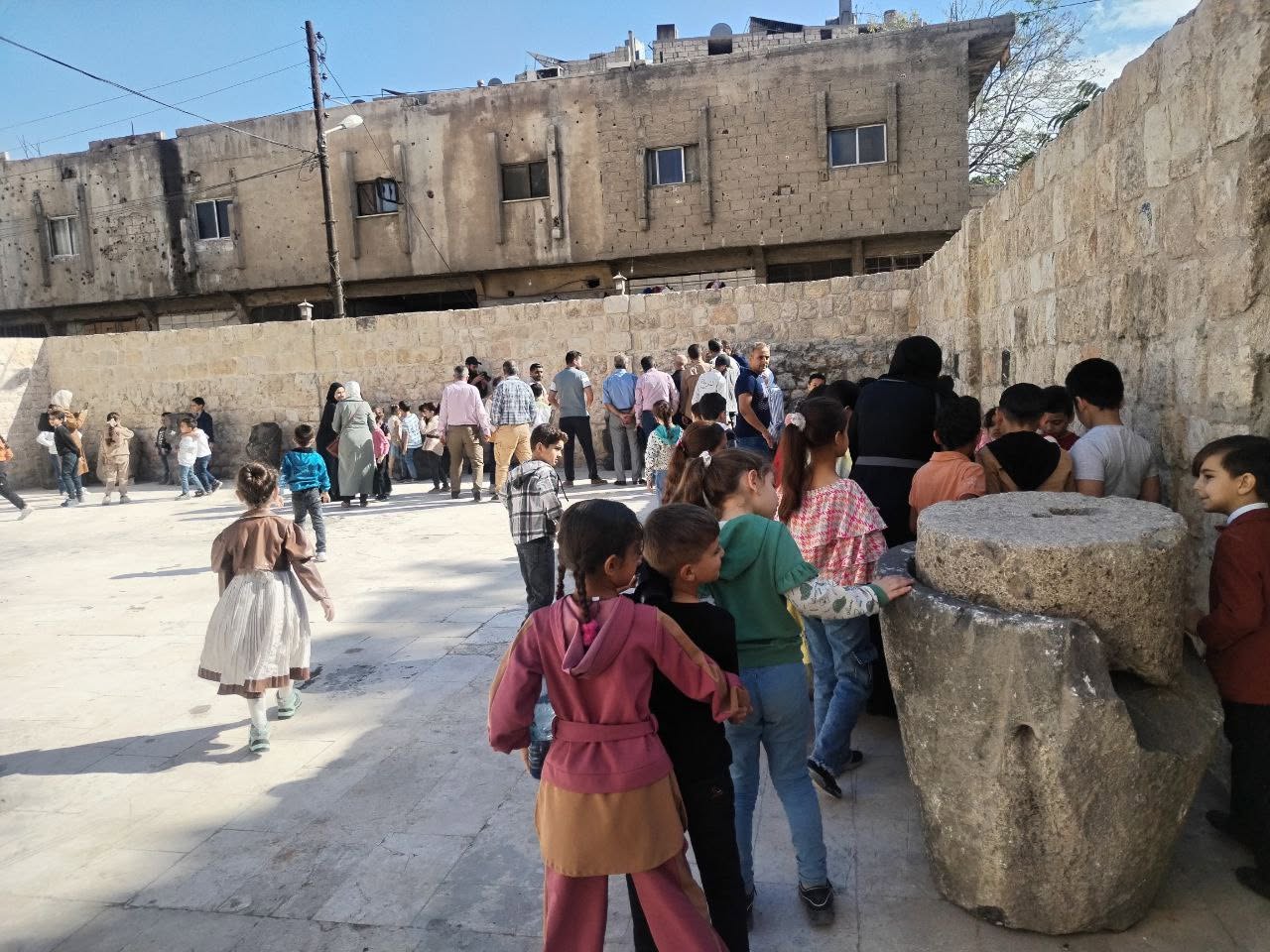
In addition, the project significantly expanded its outreach through exhibitions and activities hosted at the Hammam, attracting more than 2,500 visitors from the local community. This strong turnout highlights the growing public interest in heritage and the success of the site as an accessible cultural hub.
The Manbij experience clearly demonstrates that heritage protection is not a luxury, but a critical foundation for peacebuilding, community resilience, and sustainable development. In contexts affected by conflict, safeguarding cultural heritage plays a vital role in restoring a sense of identity, strengthening social cohesion, and reconnecting communities with their shared history.
Building on this experience, future efforts will continue to expand and refine this model by further strengthening local capacities, enhancing documentation systems, and deepening community engagement. By promoting locally driven approaches to heritage safeguarding, the project aims to ensure long-term sustainability, empowering communities to take an active role in protecting their cultural assets and preserving them for future generations.
 Partners
This project is implemented in collaboration with Heritage for Peace, the Directorate of Antiquities and Museums in Aleppo, and the Manbij Municipality.

Search on the website

HOW CAN I HELP?

HELP SPREAD THE WORD
Make everyone around you aware of these issues