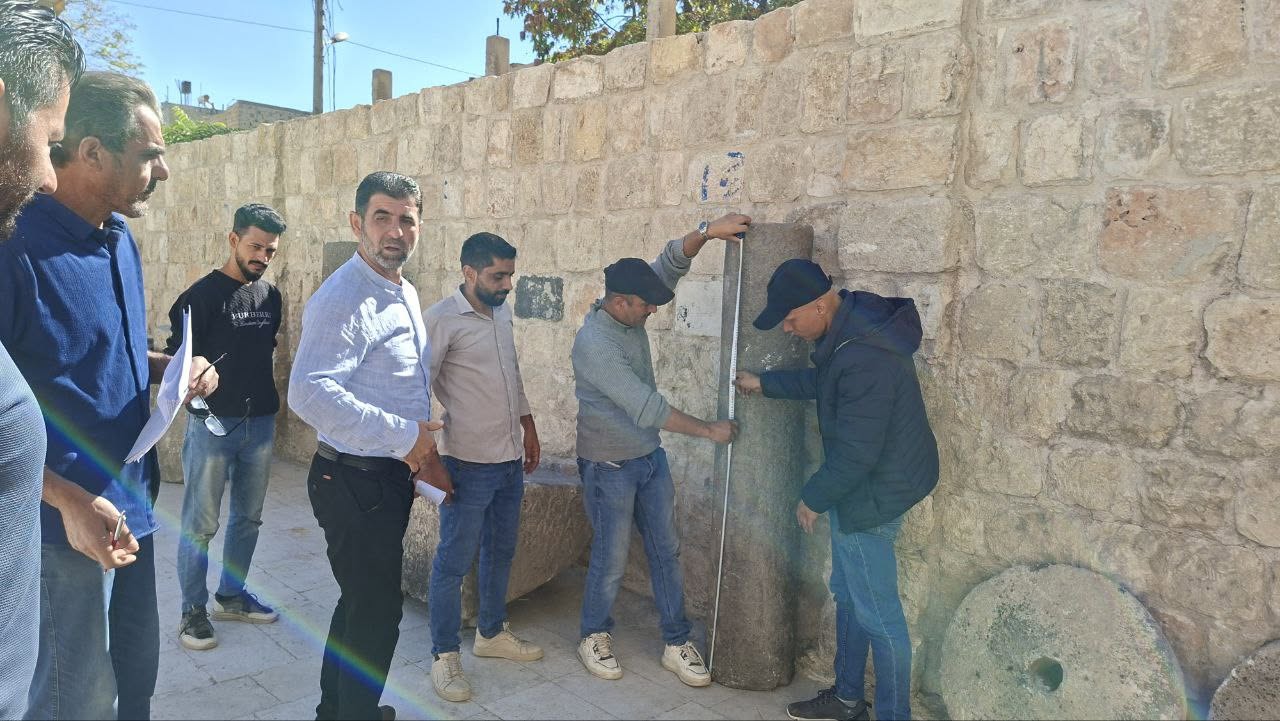
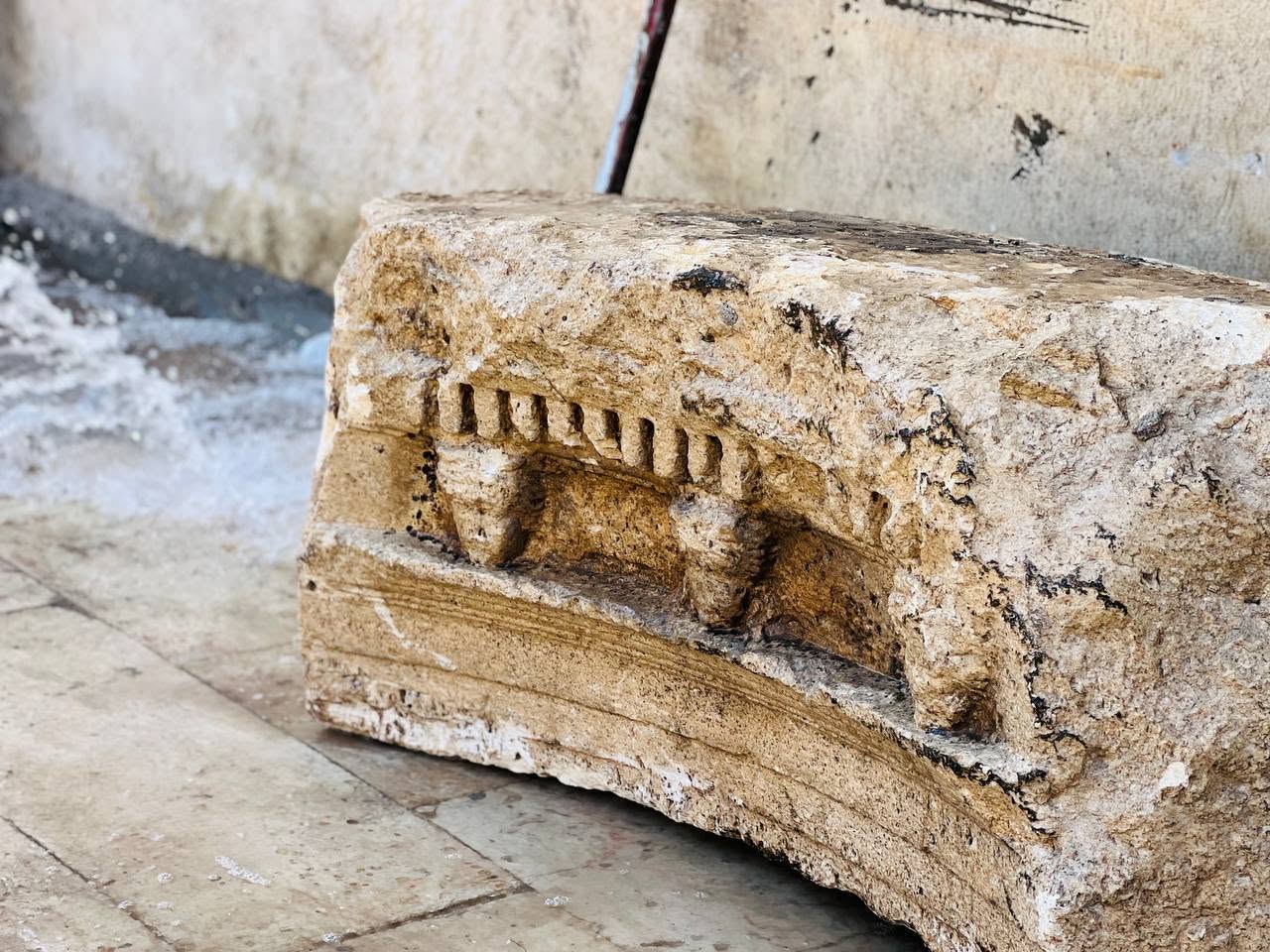
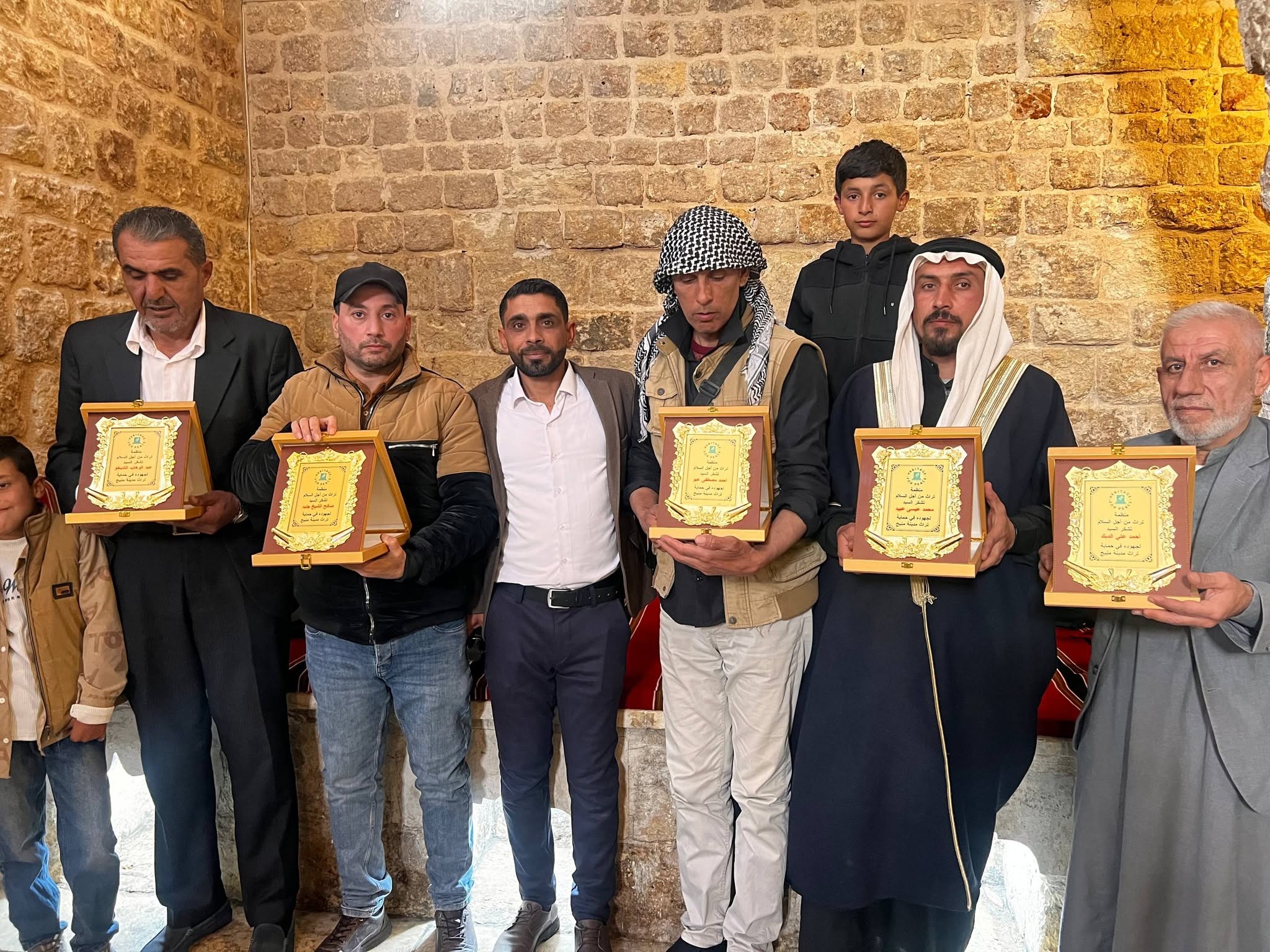
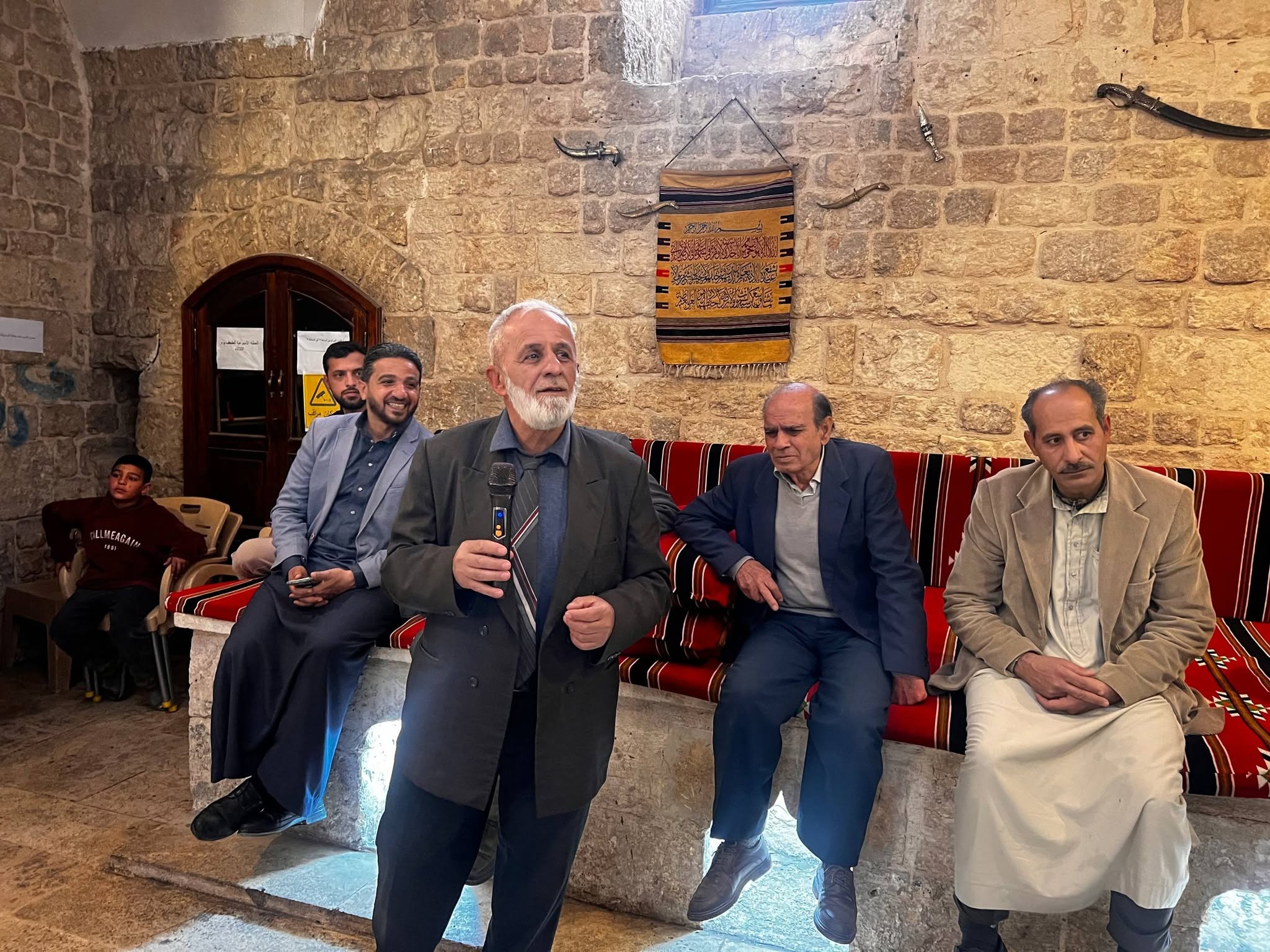
Manbij is one of the region’s most historically rich cities, located in northern Syria, shaped by successive civilizations over thousands of years. From its early roots in the Aramaic and Hellenistic periods to its prominence under Roman and Byzantine rule, Manbij has long been a crossroads of cultures, trade routes, and ideas.
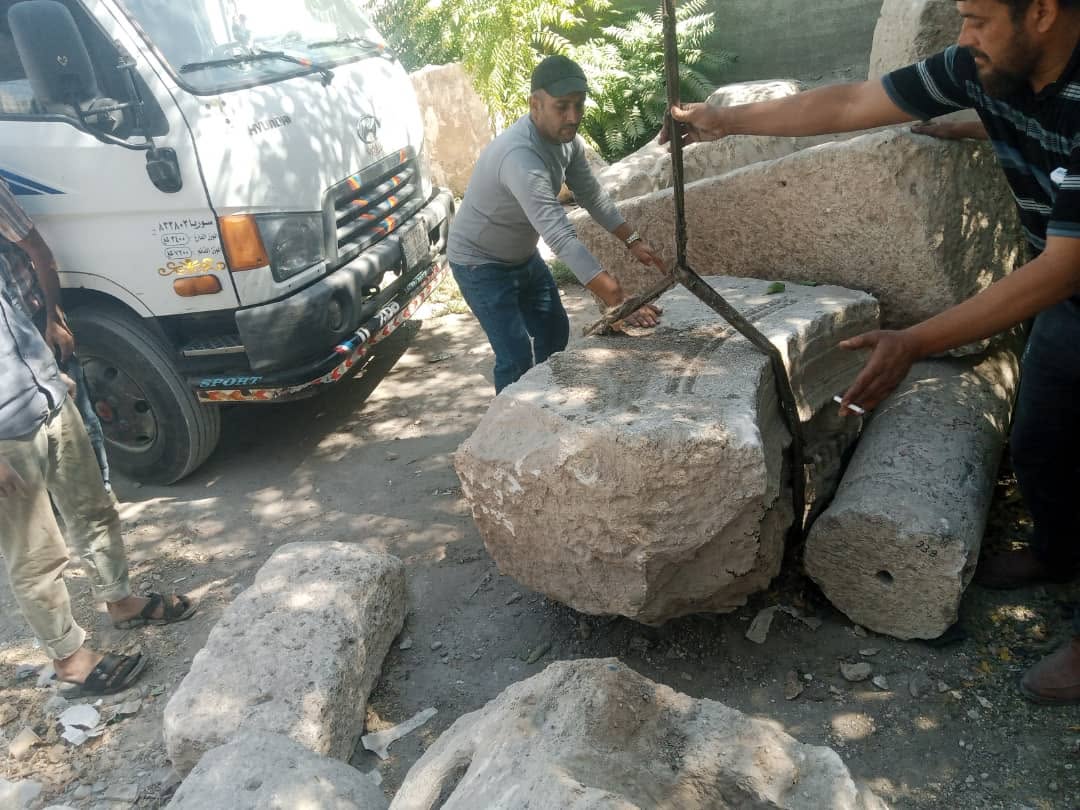
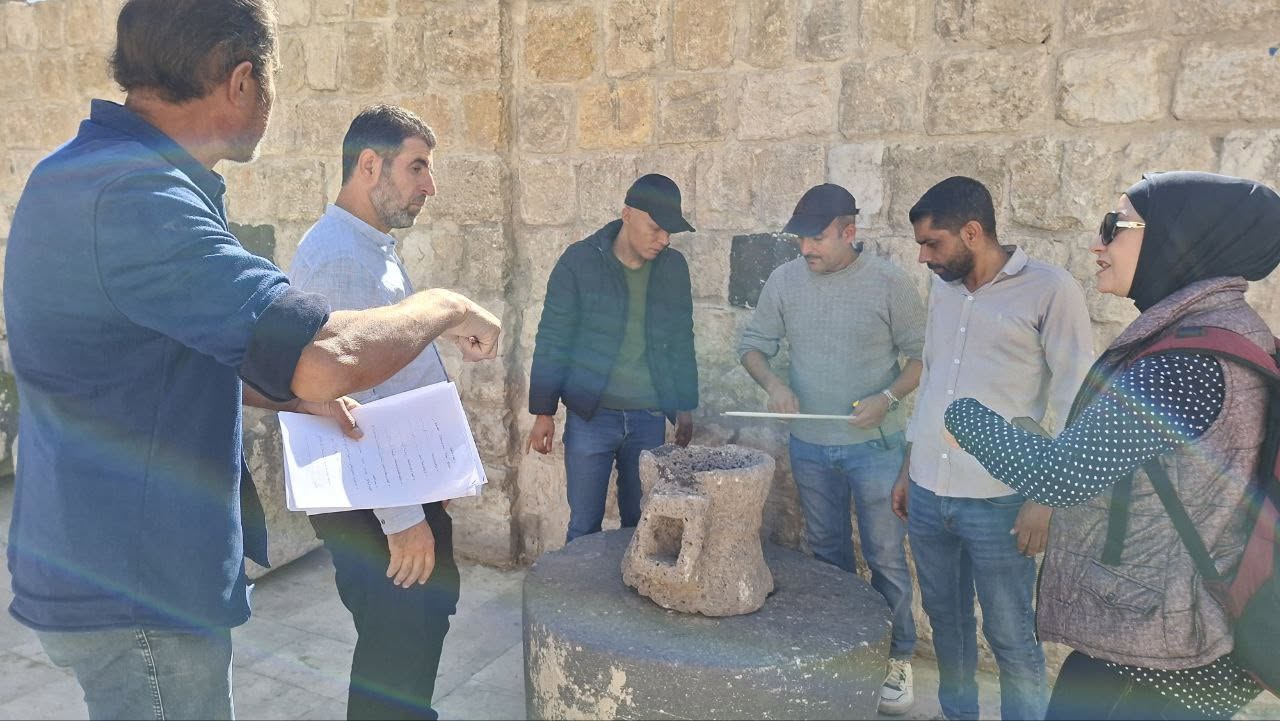
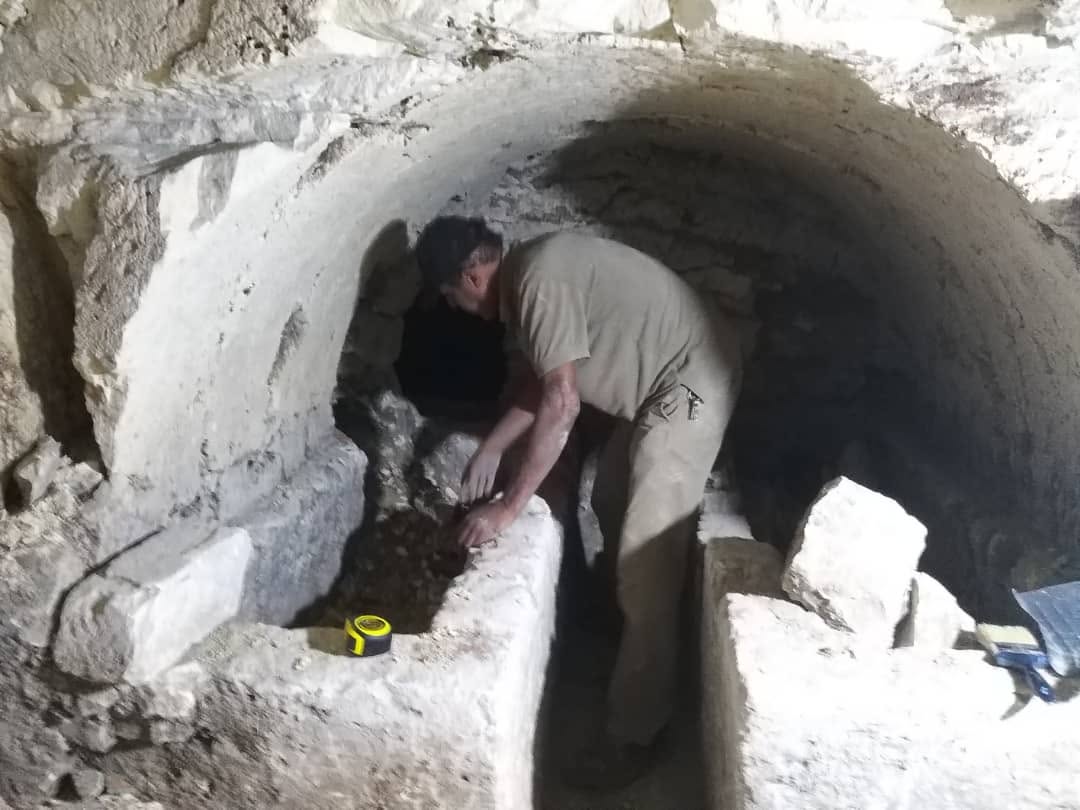
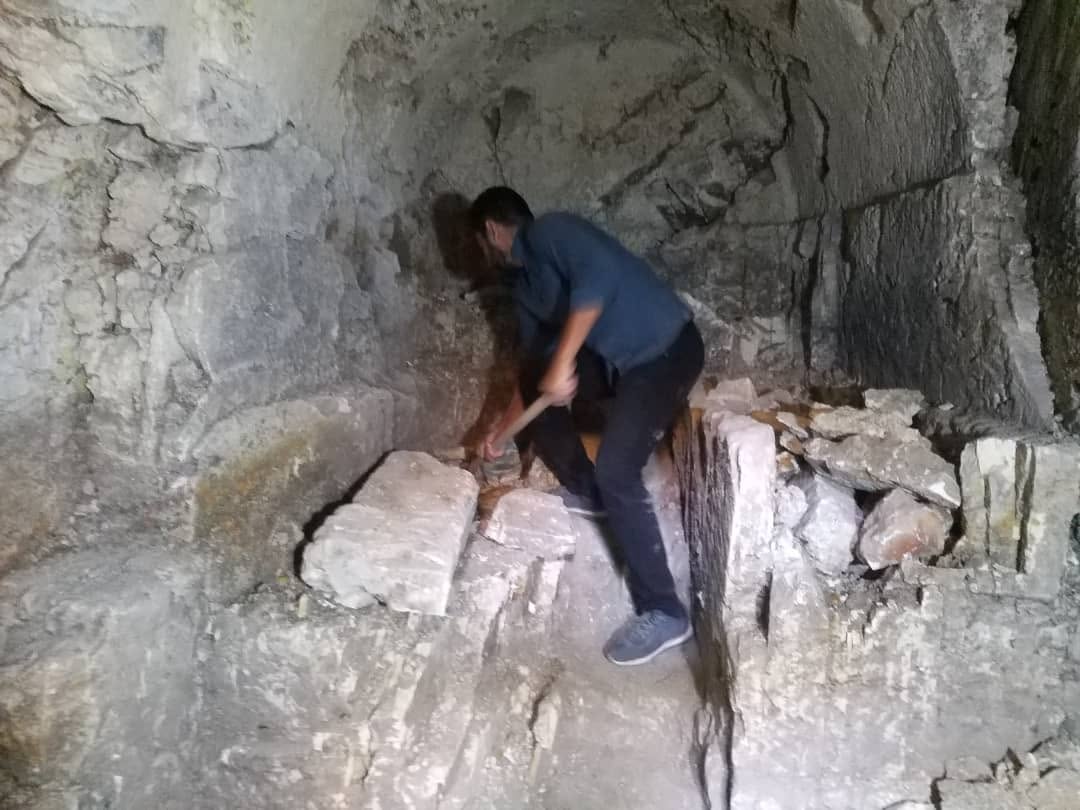
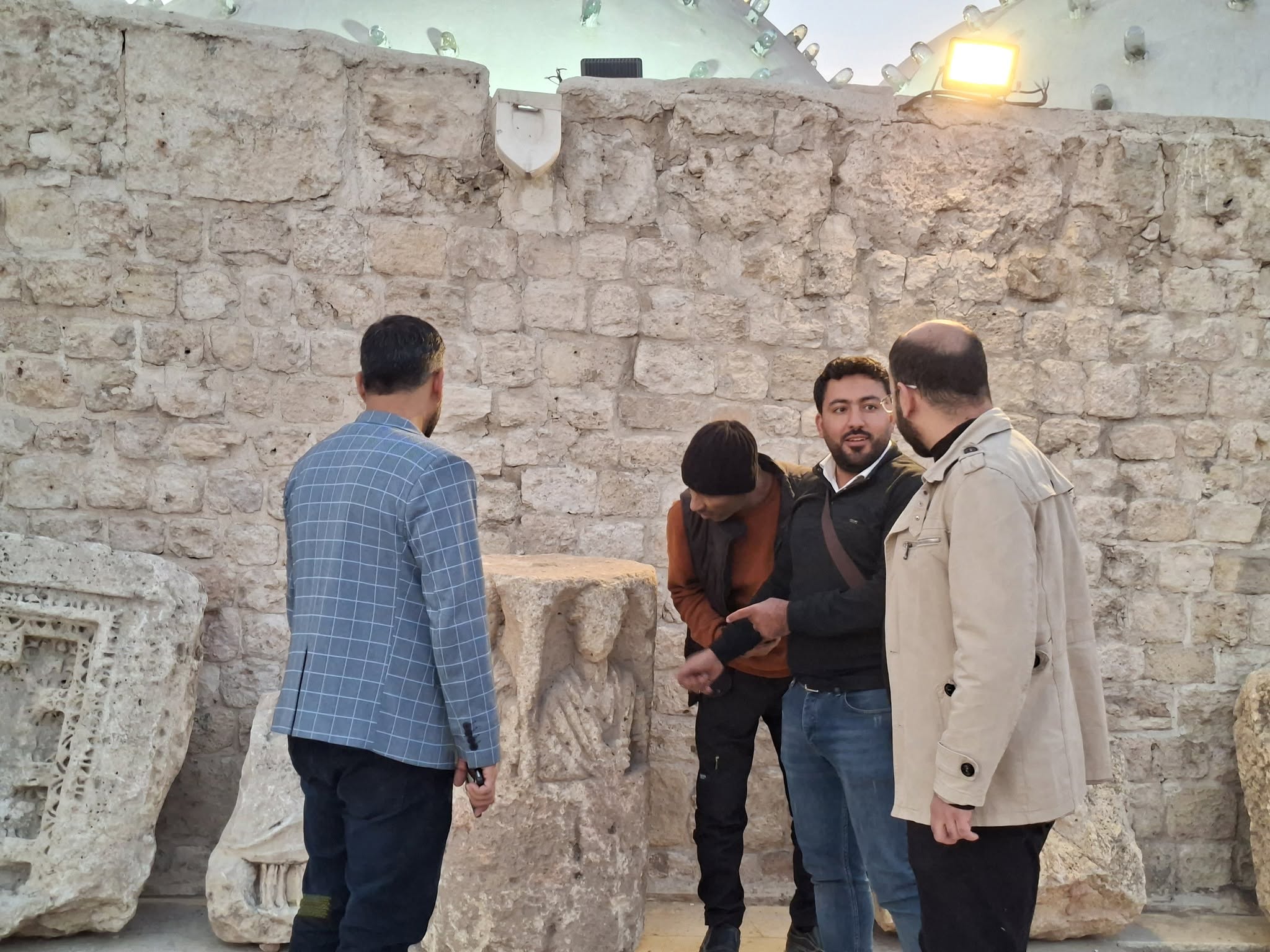
The city is home to significant archaeological remains, including Roman tombs, ancient settlements, and movable artefacts that reflect its diverse cultural layers. This unique heritage makes Manbij not only an important historical site but also a symbol of shared identity and cultural continuity.
However, years of conflict have placed this heritage at serious risk, threatening both physical remains and the cultural memory of the community.
The Manbij Heritage Protection Project (June to December 2025) was developed as an emergency response to safeguard the city’s cultural heritage under challenging conditions.
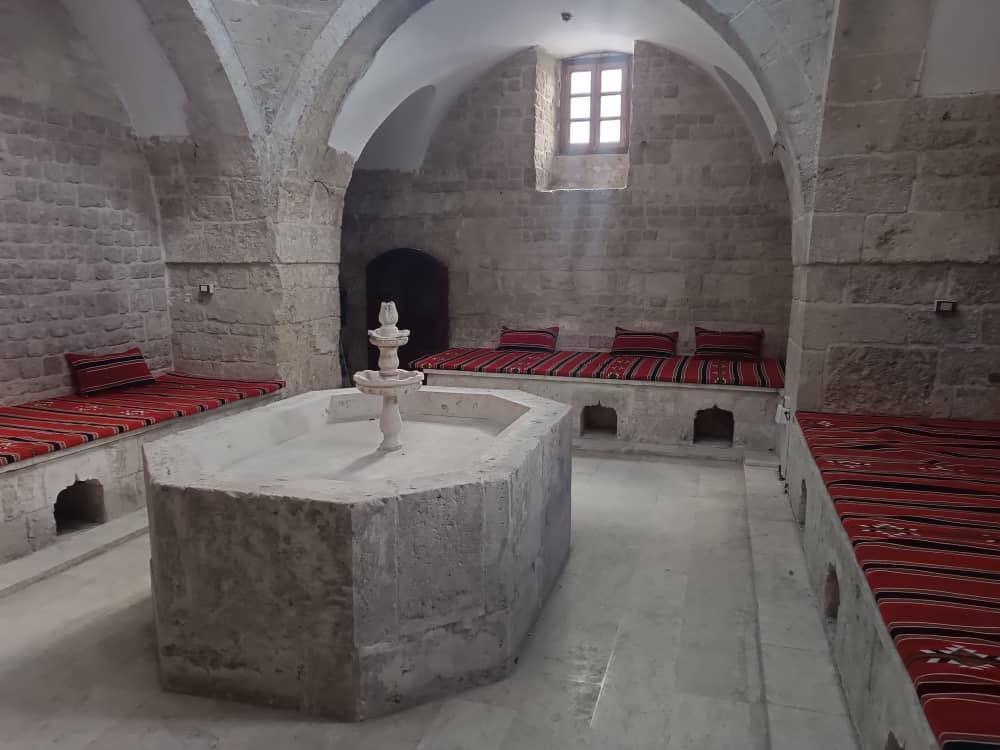
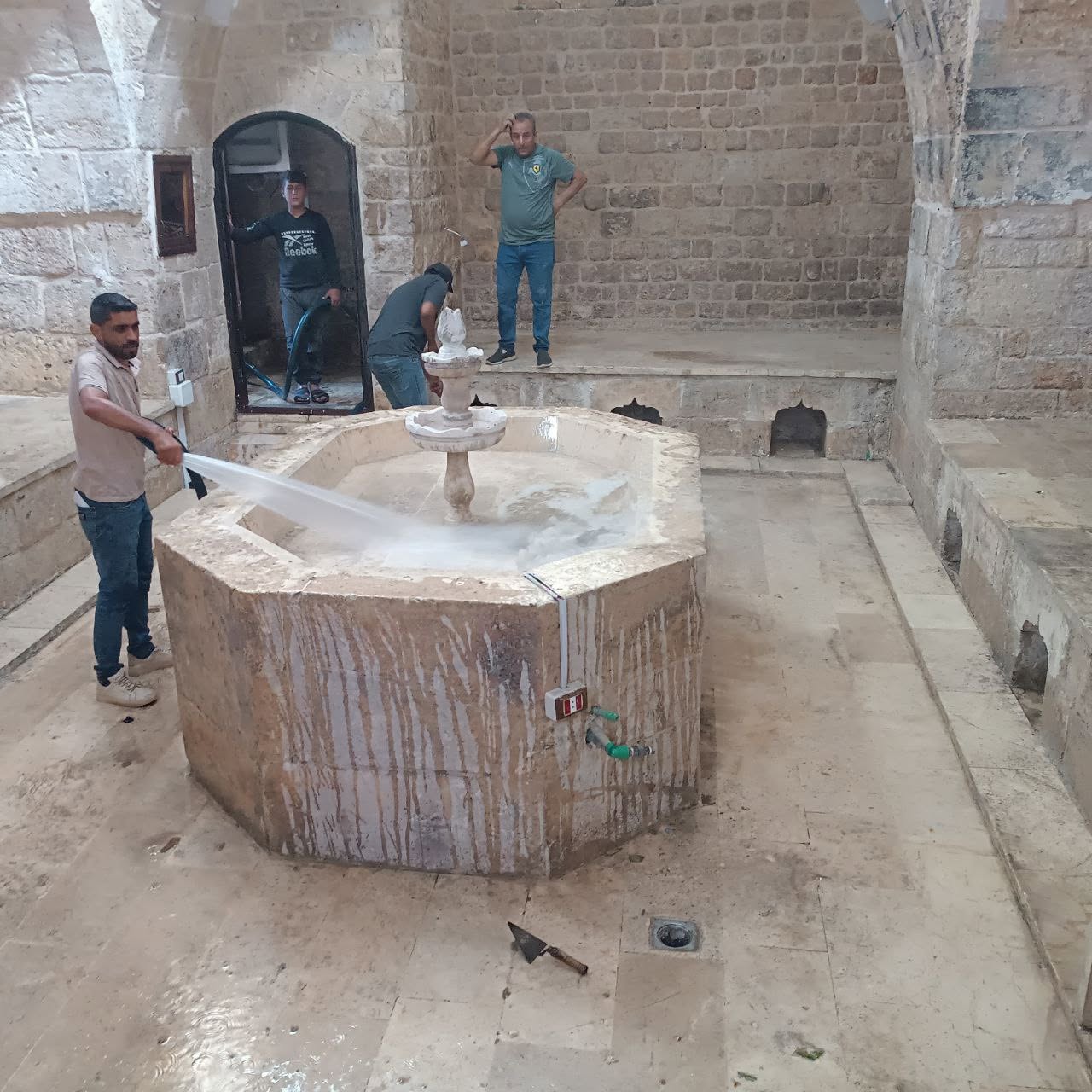
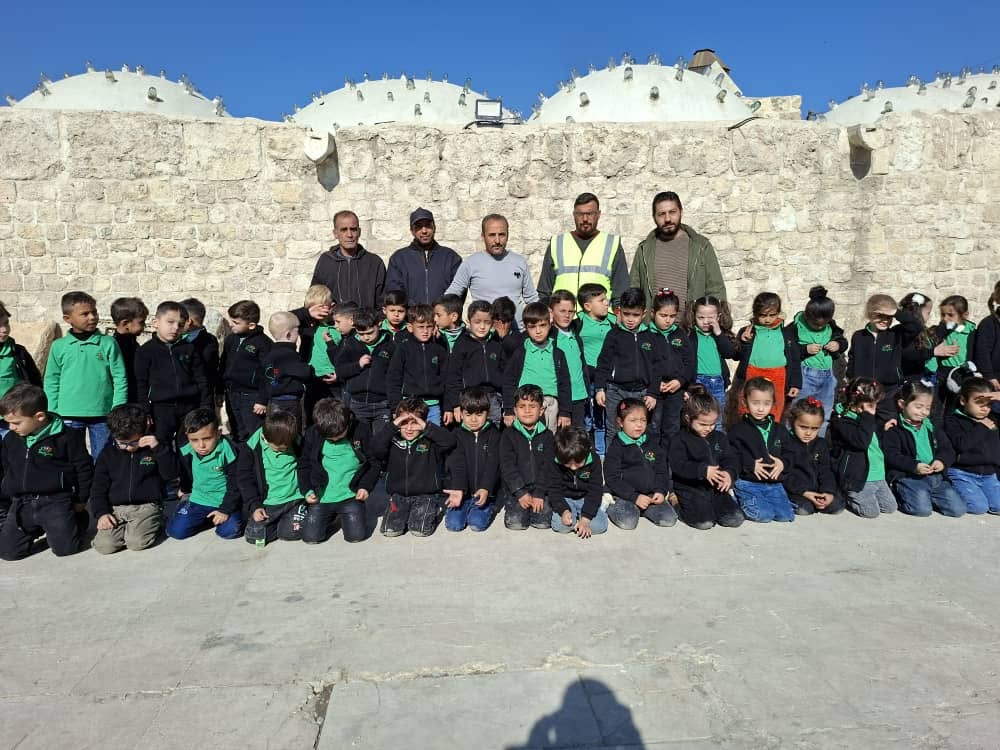
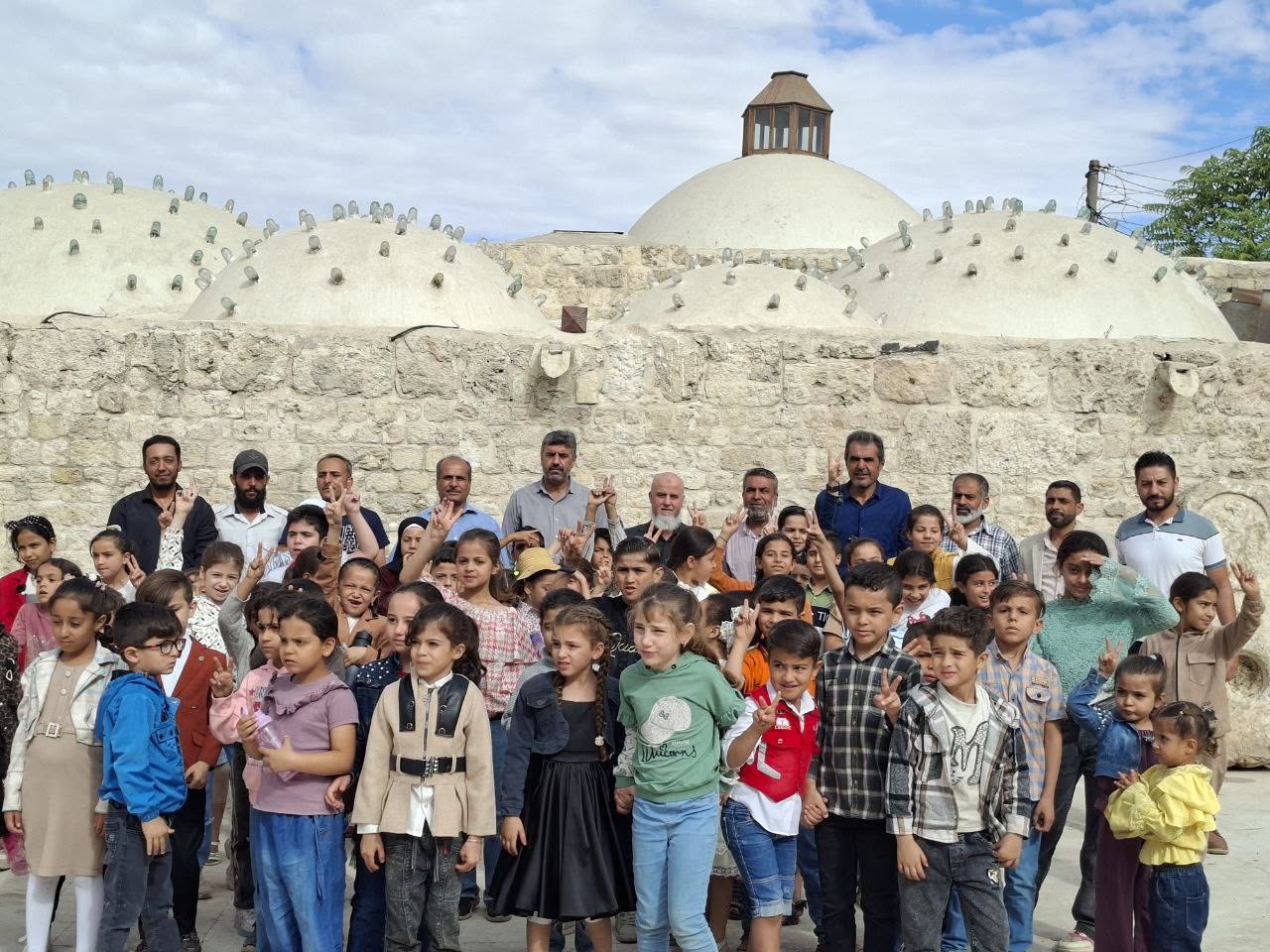
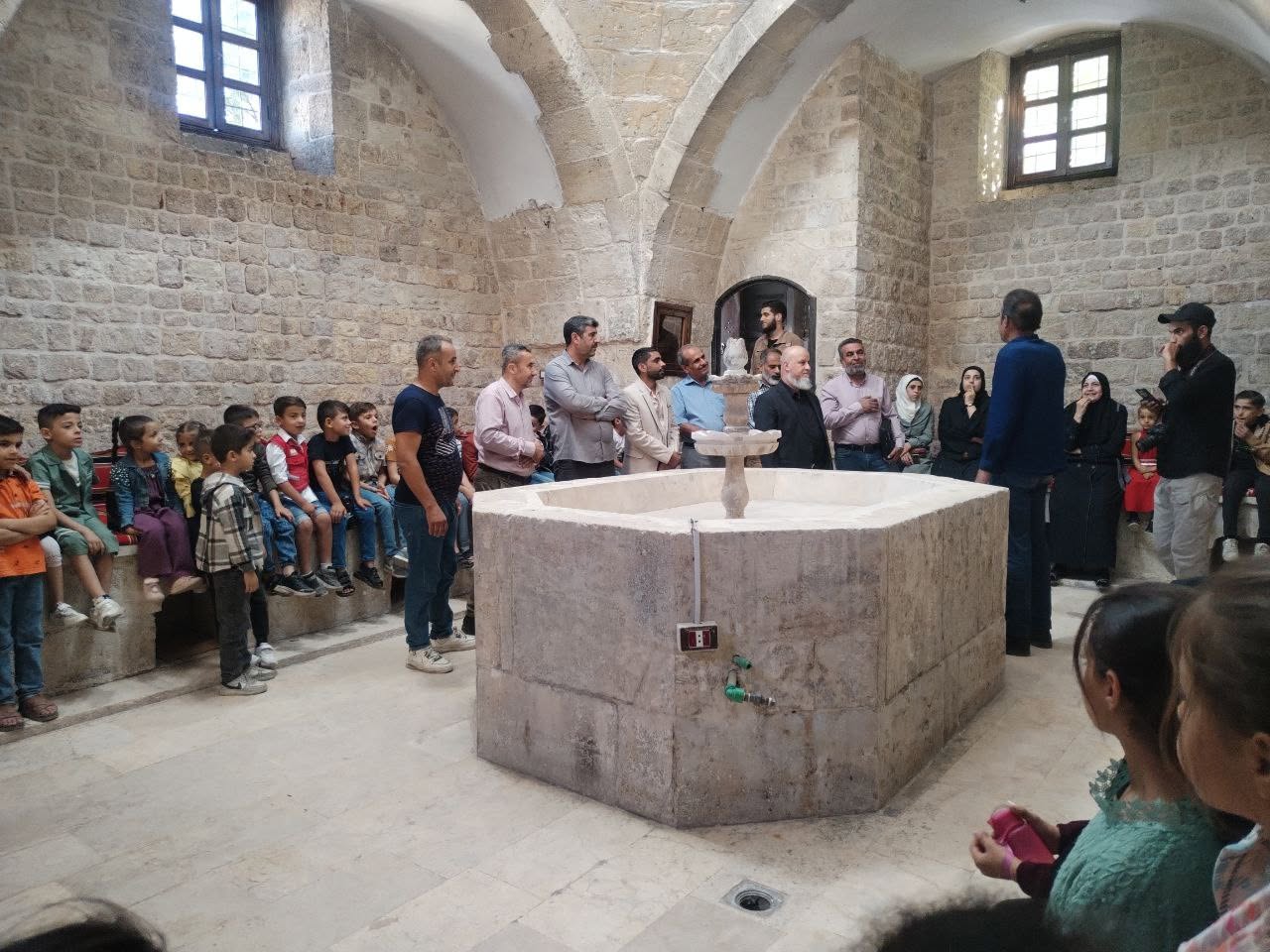
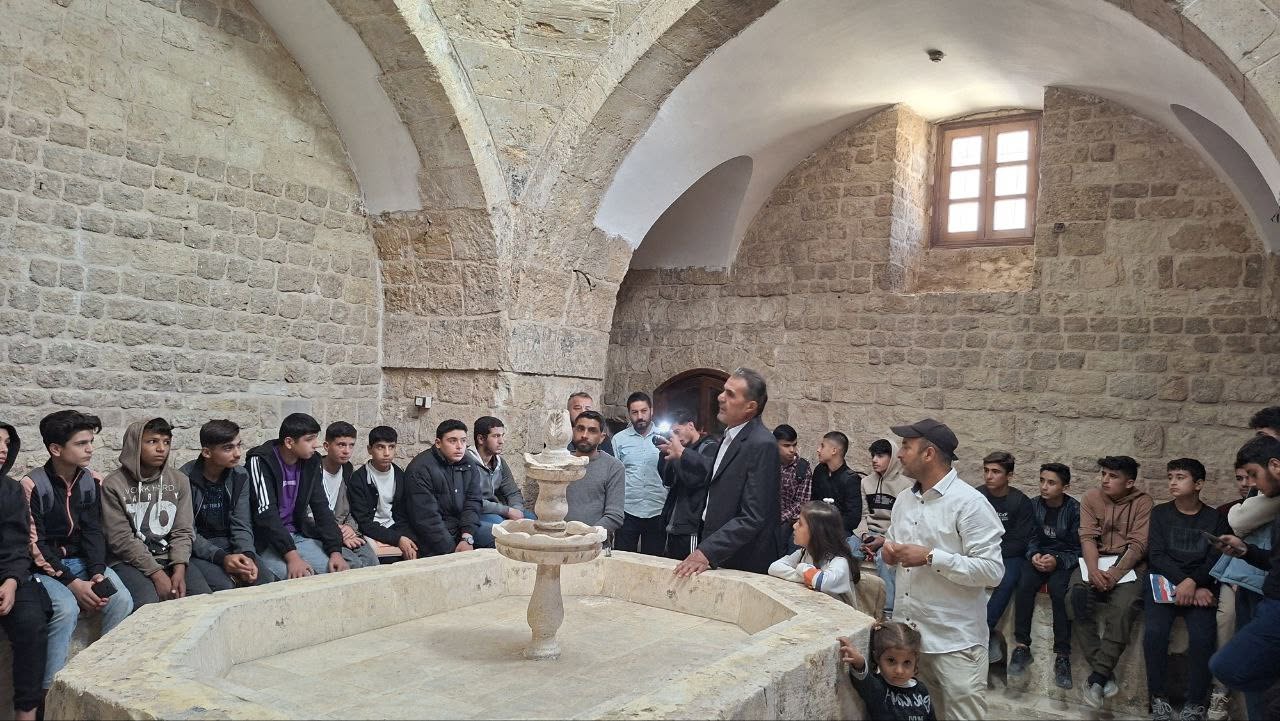
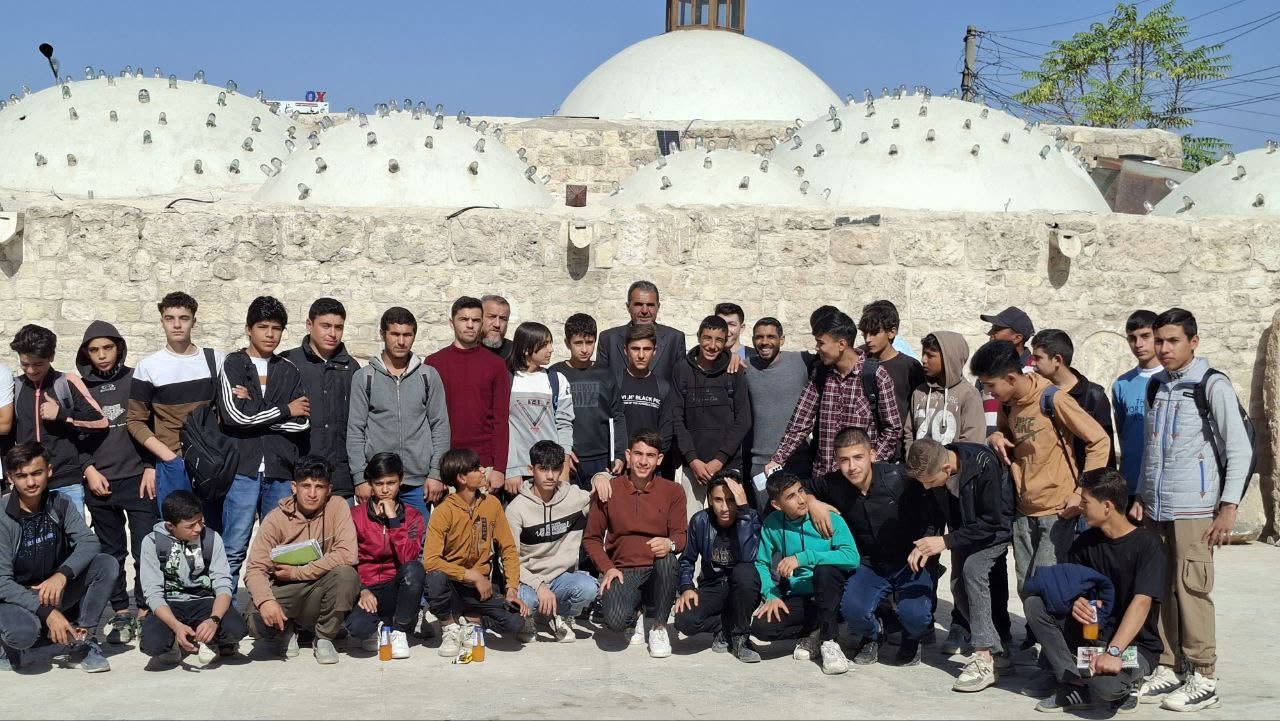
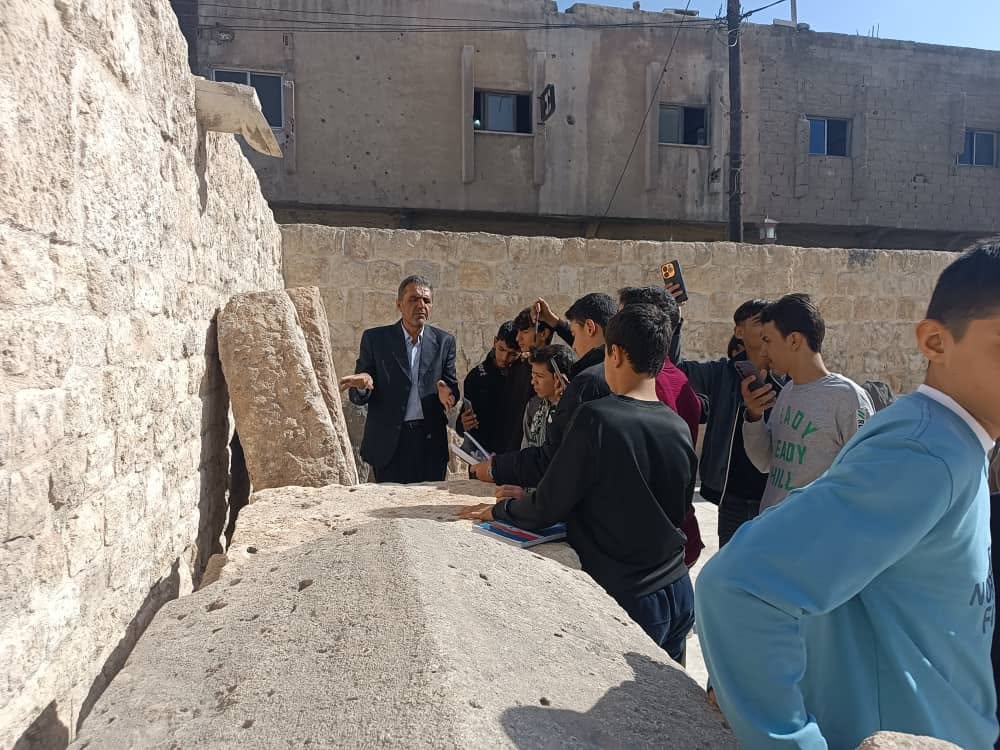
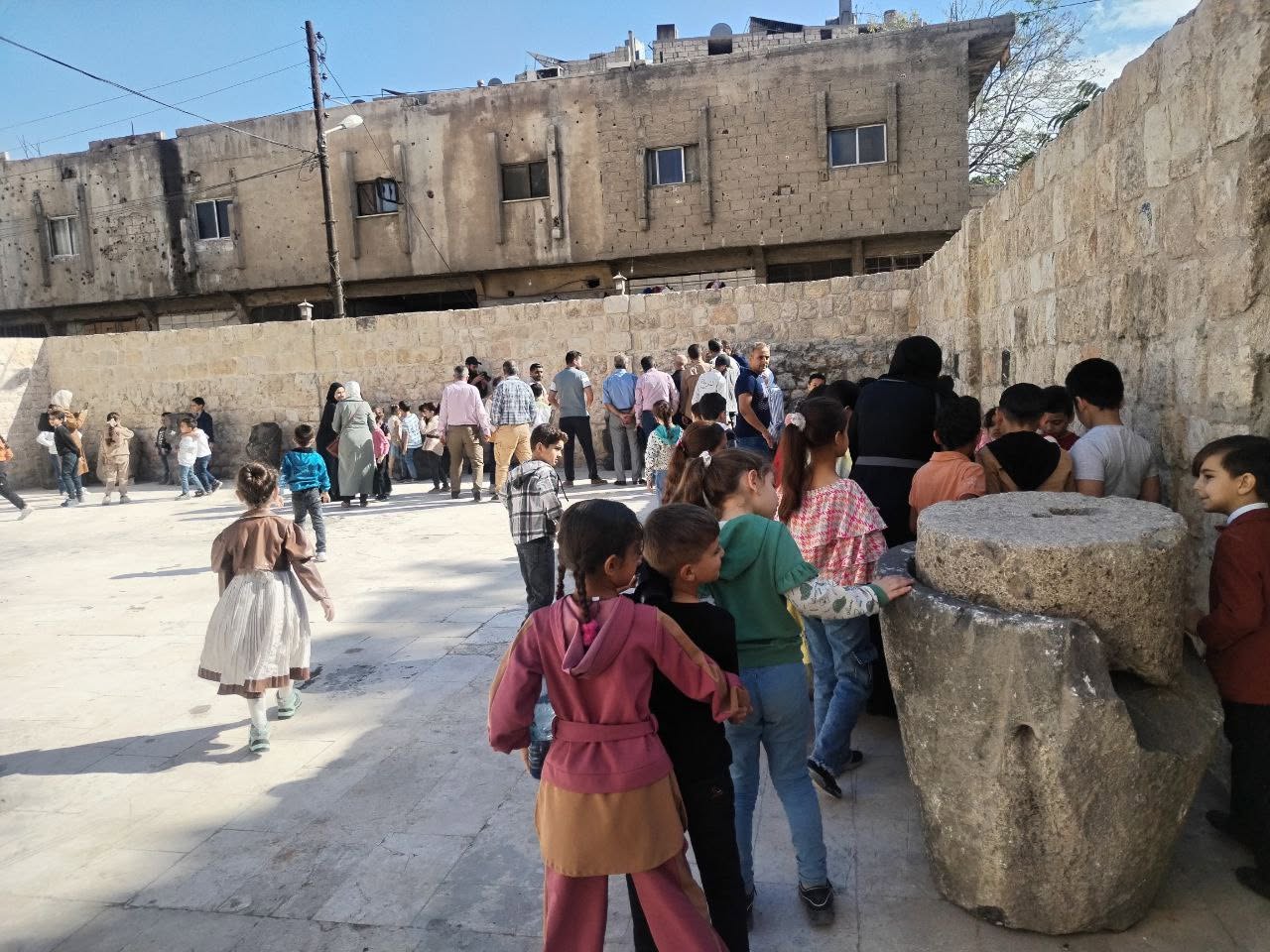
At the core of the project is the transformation of the Ottoman Hammam into a Heritage Protection Center and Community Cultural Hub—a space where preservation, education, and community engagement come together.
The project adopts an integrated approach that combines technical conservation, digital documentation, and community participation to ensure both immediate protection and long-term sustainability.