German Mission House in Tell al-Bay‘a Project- Raqqa

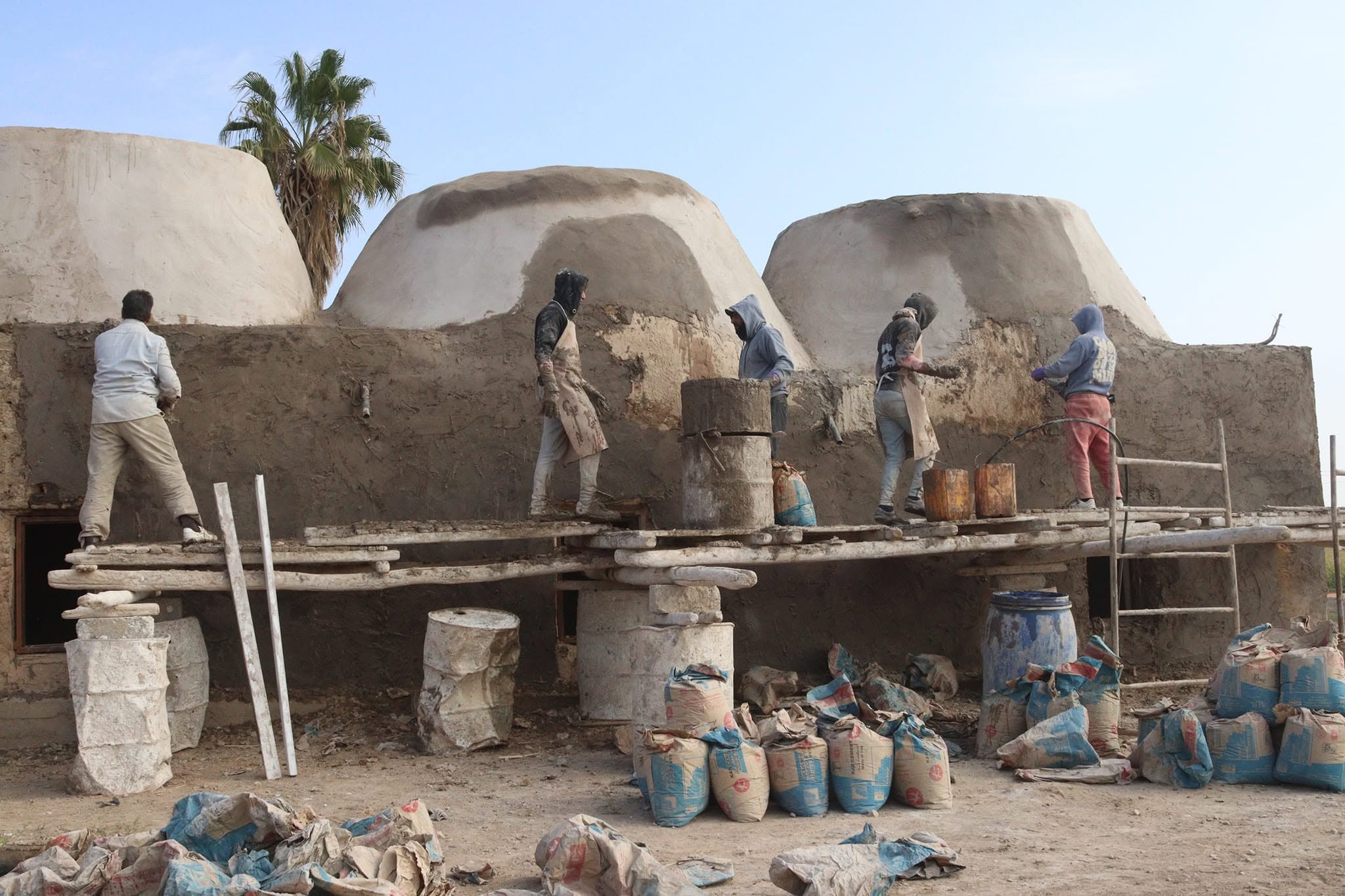
Tell al-Bay‘a is one of the most important archaeological sites in Raqqa, reflecting the rich history and cultural identity of the region. At the centre of this site stands the German Mission House — a historic building that was once an important part of daily life in the community, but gradually fell into neglect over the years. The site has now been brought back to life through dedicated restoration efforts. The work went beyond repairing a building, focusing on reconnecting people with their heritage, reviving shared memories, and creating a welcoming space where the community can gather once again.
The Raqqa’s Cultural Heritage and Community Empowerment Project (2025–2026) built on earlier work to protect and highlight the heritage of Tell al-Bay‘a. It combined restoration activities with training programmes and community events, making heritage more accessible and meaningful for local people. By supporting traditional crafts and reopening historic spaces, the project has helped strengthen local identity, create opportunities for income, and encourage stronger connections within the community.

What has been Achieved ?
Objective 1-Transforming the Mission House into a cultural hub
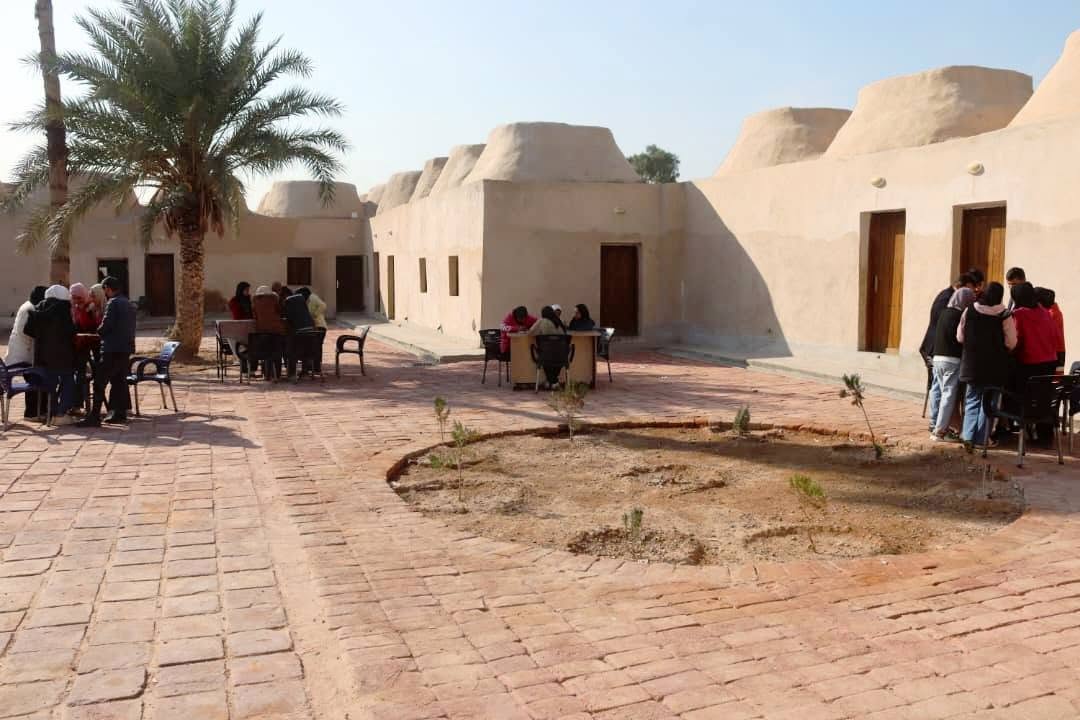
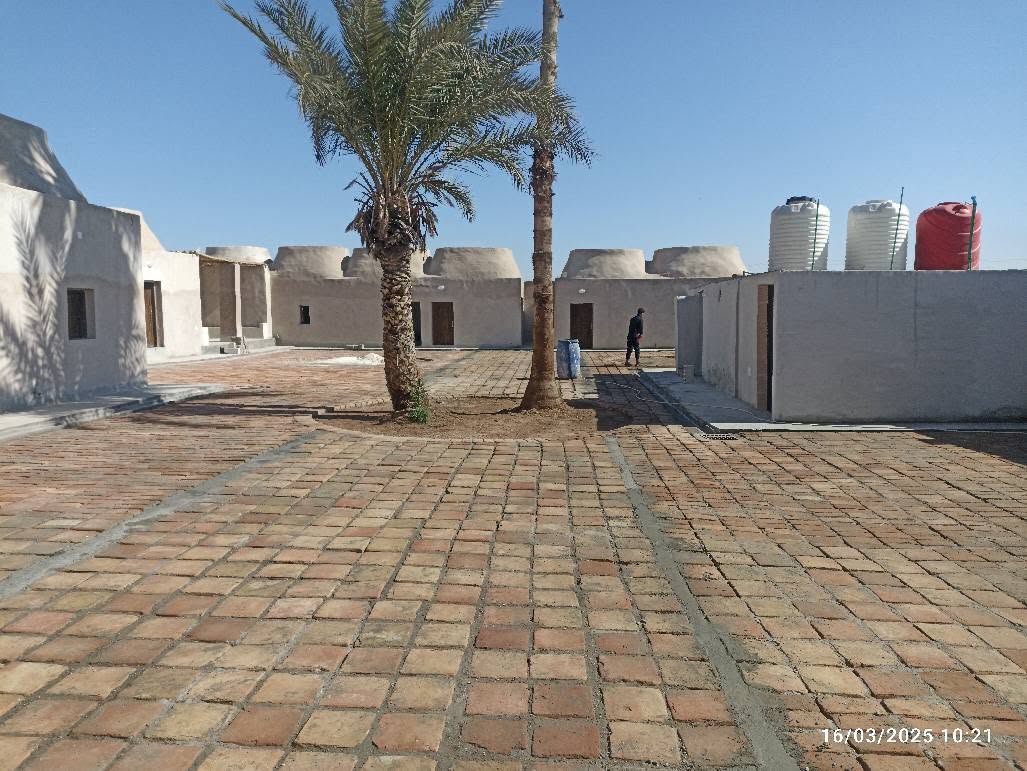
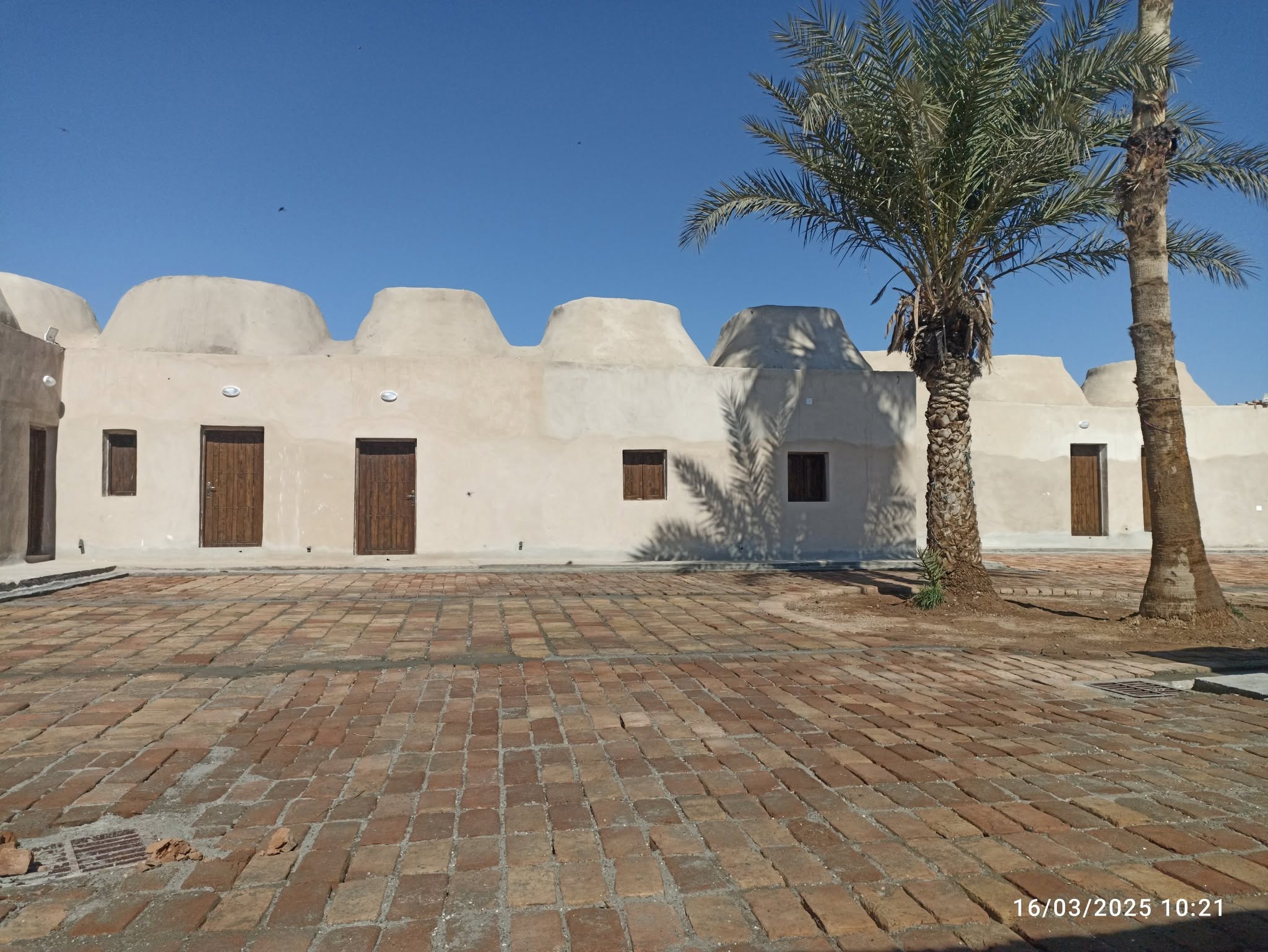
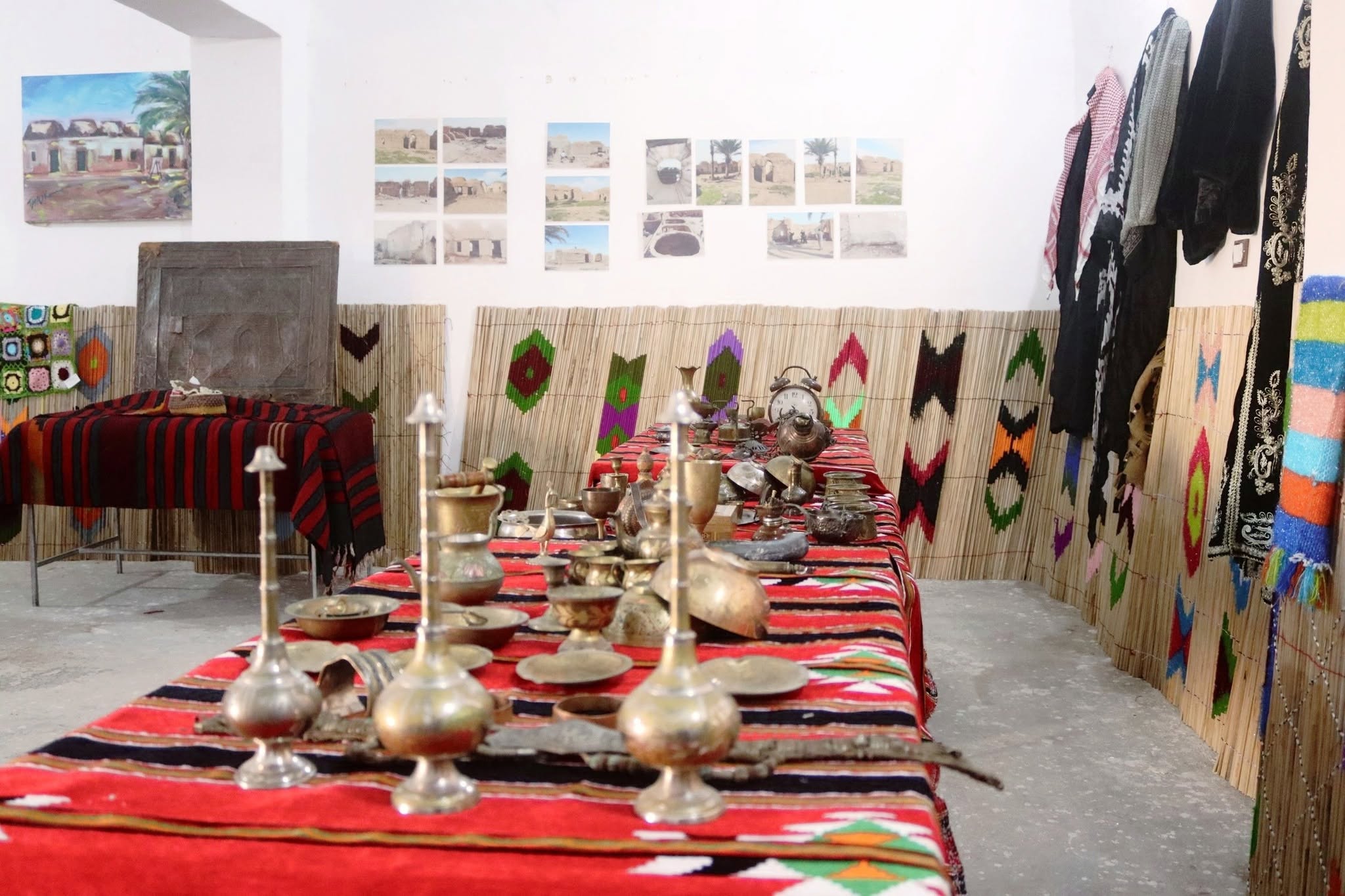
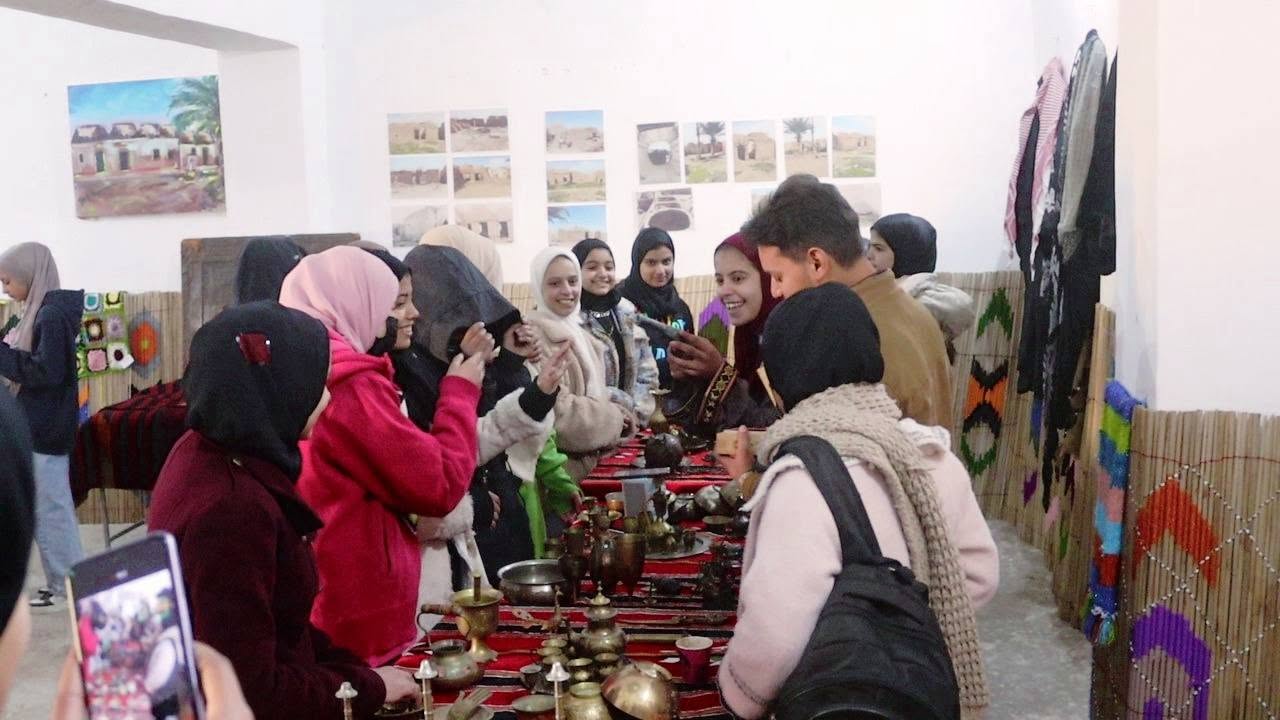
The German Mission House was carefully restored and adapted into a functional and welcoming space. Ten rooms and the courtyard were prepared for training, workshops, and public activities. Each space was organised to support different crafts, while the courtyard became a lively area for baking, gatherings, and events. As a result, the building is now fully active — not only as a training centre, but also as a place where people come together, learn, and share experiences.
Objective 2 – Community engagement and outreach
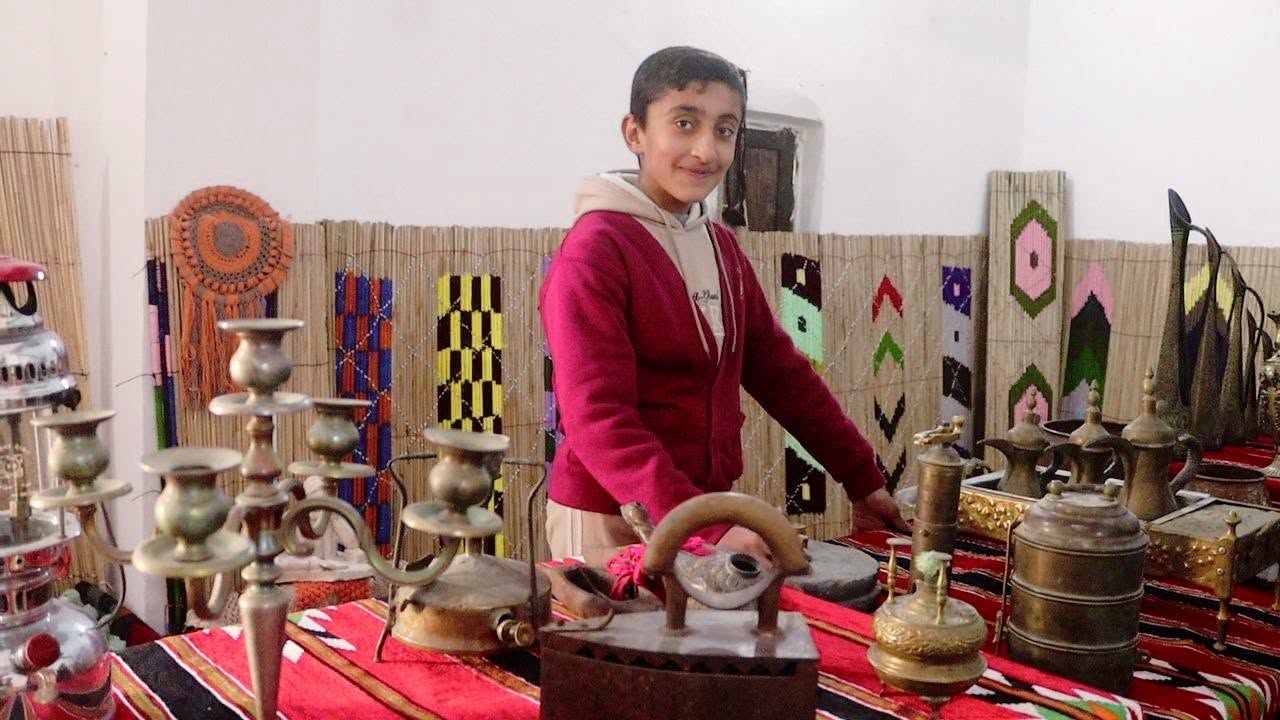
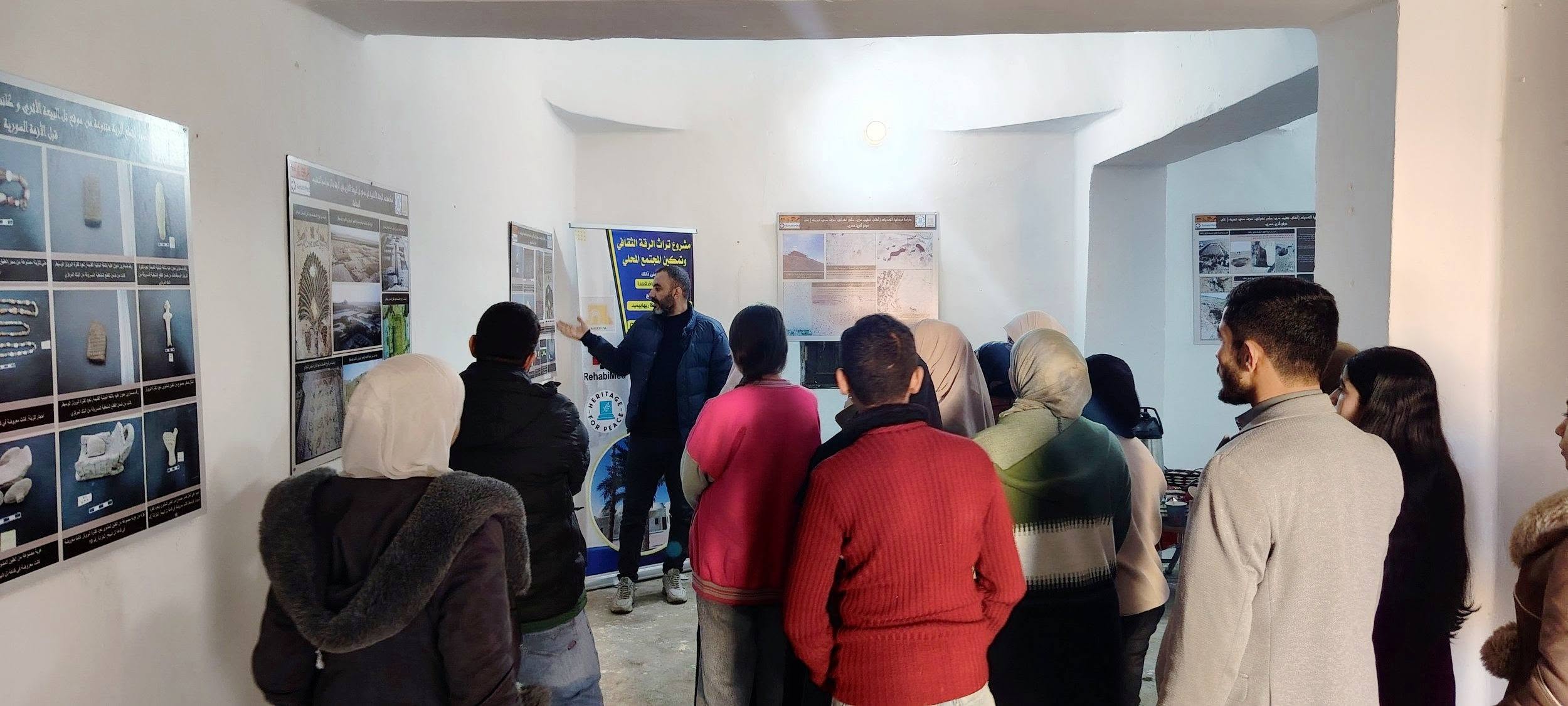
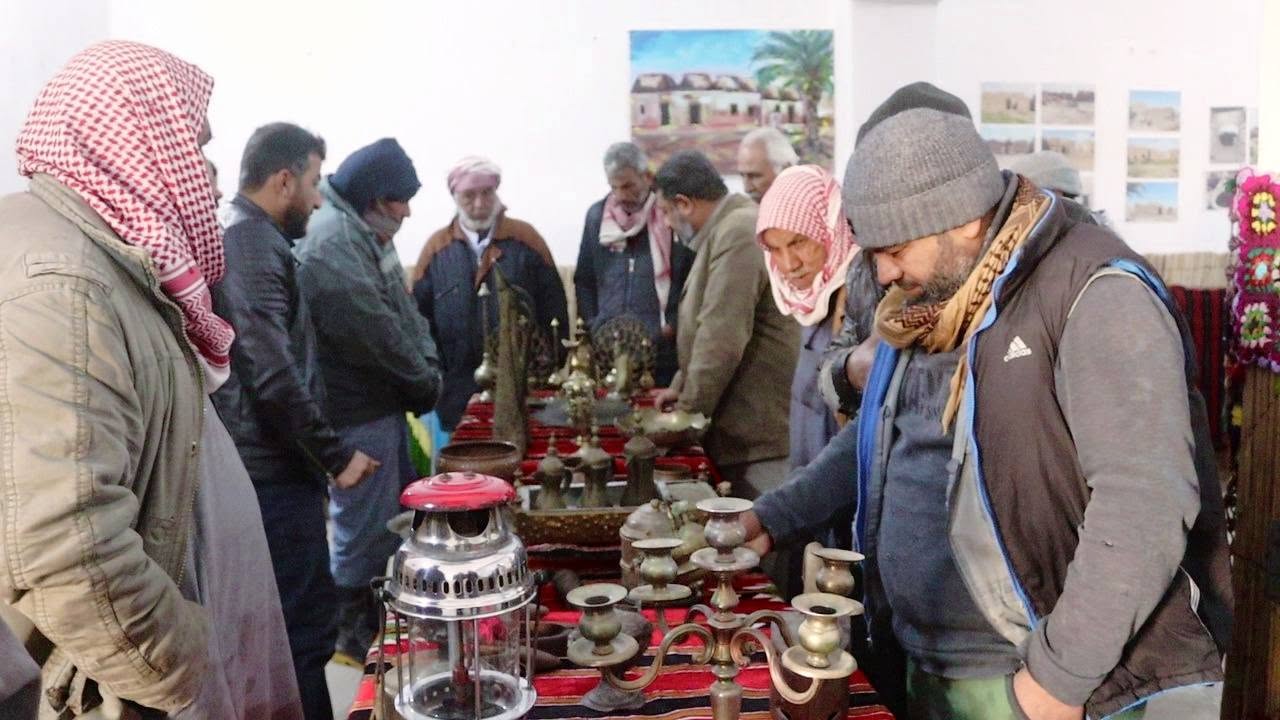
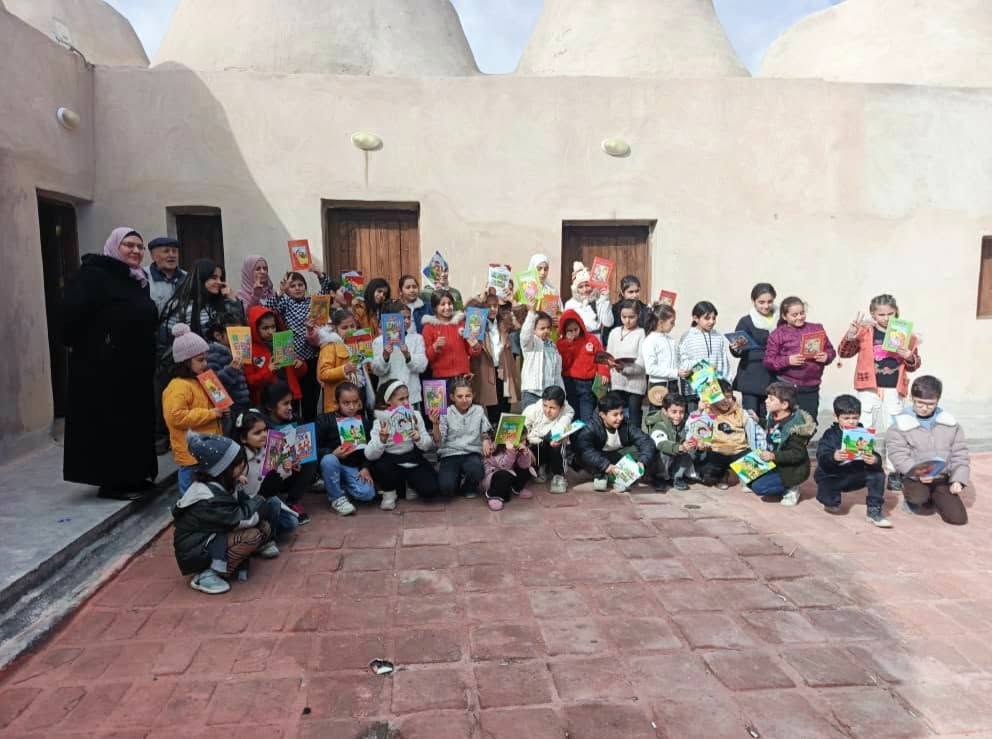
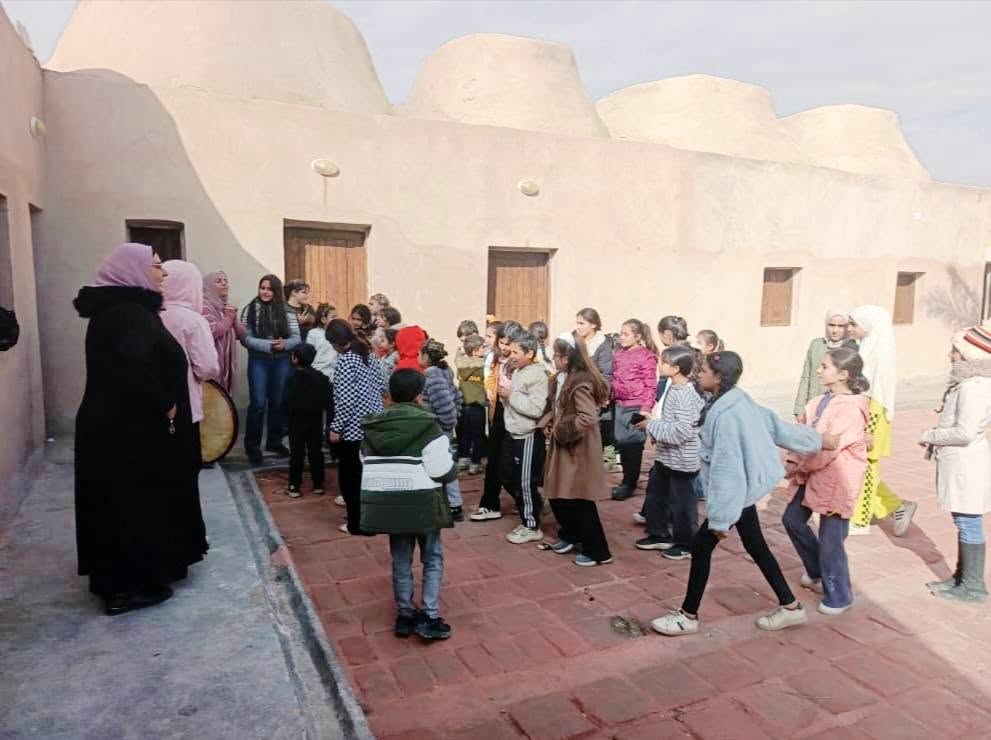
The project also focused on engaging the wider community, especially young people. School visits, storytelling sessions, and small cultural events were organised at the site, giving visitors the chance to explore the crafts and meet the trainees. Tree planting activities and online content helped connect heritage with everyday life and reach a broader audience. Today, the Mission House is recognised not only as a restored building, but as an active community space where people gather, learn, and celebrate their shared heritage.
Objective 3- Vocational training in traditional crafts
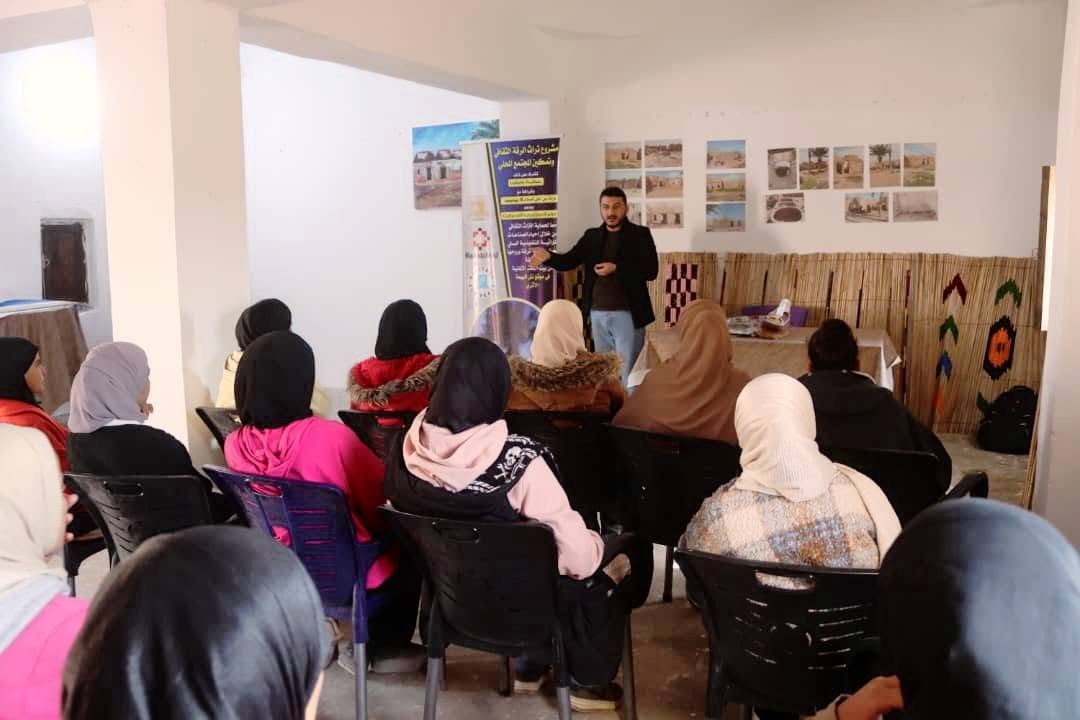
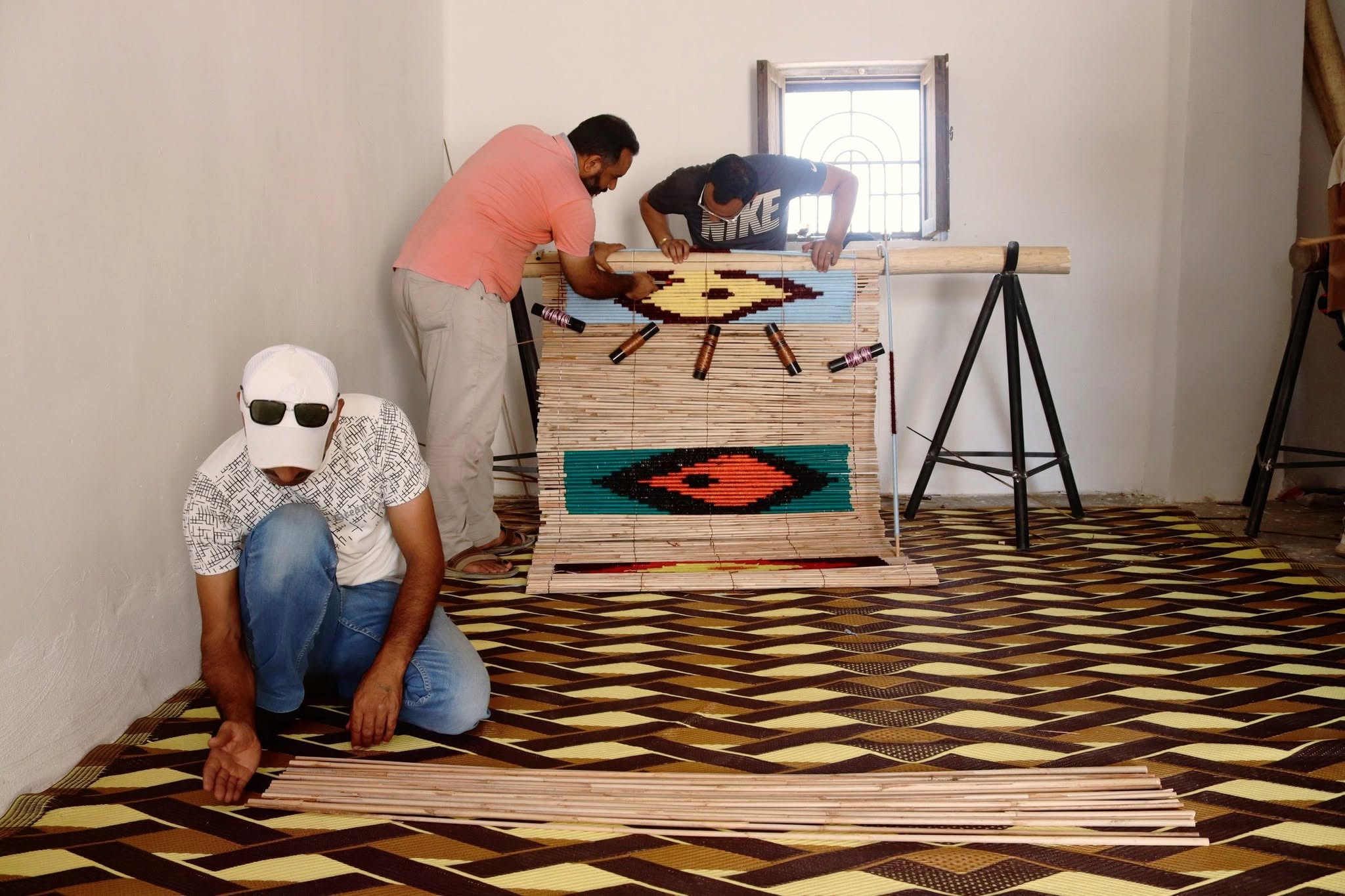
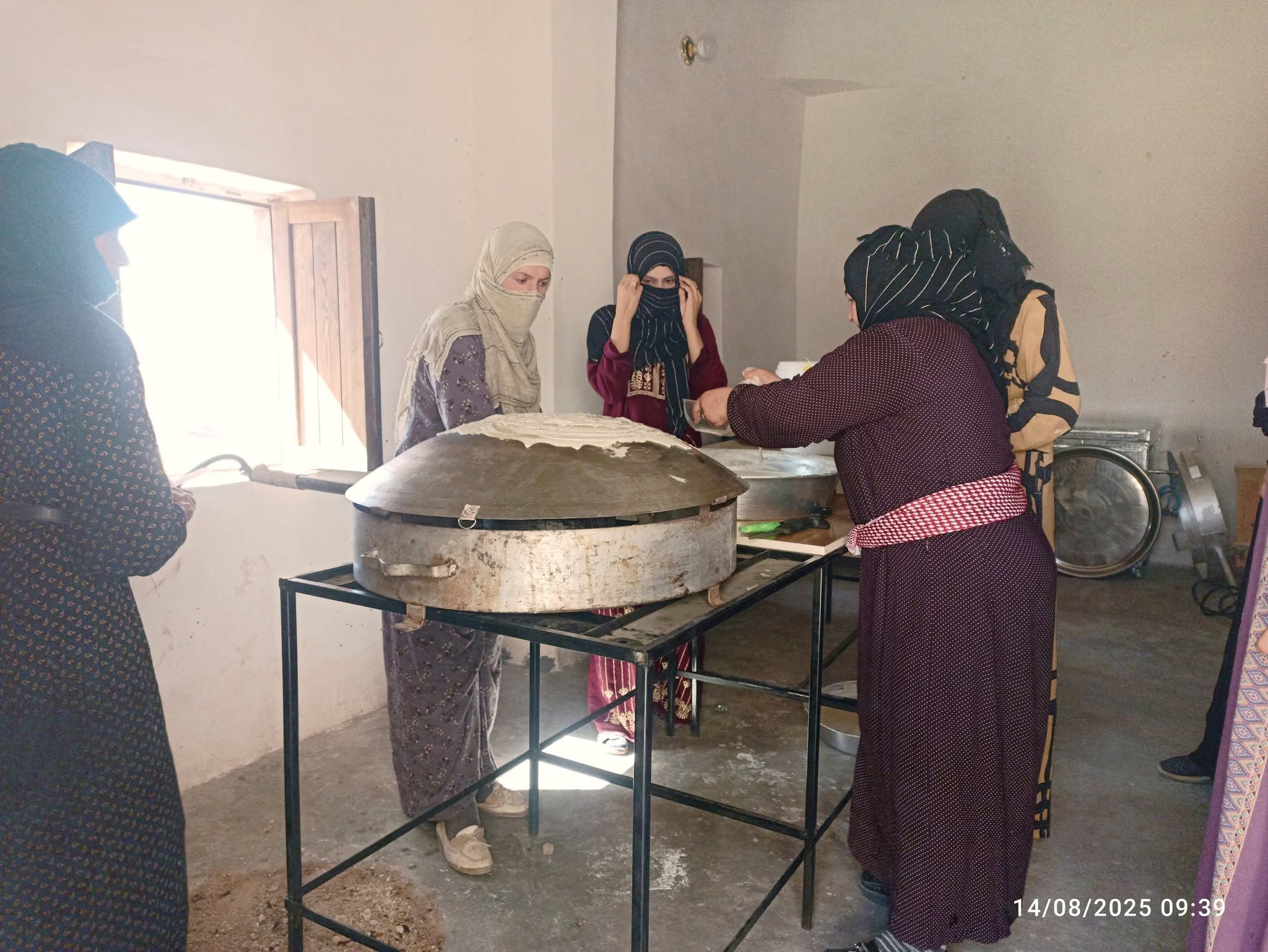
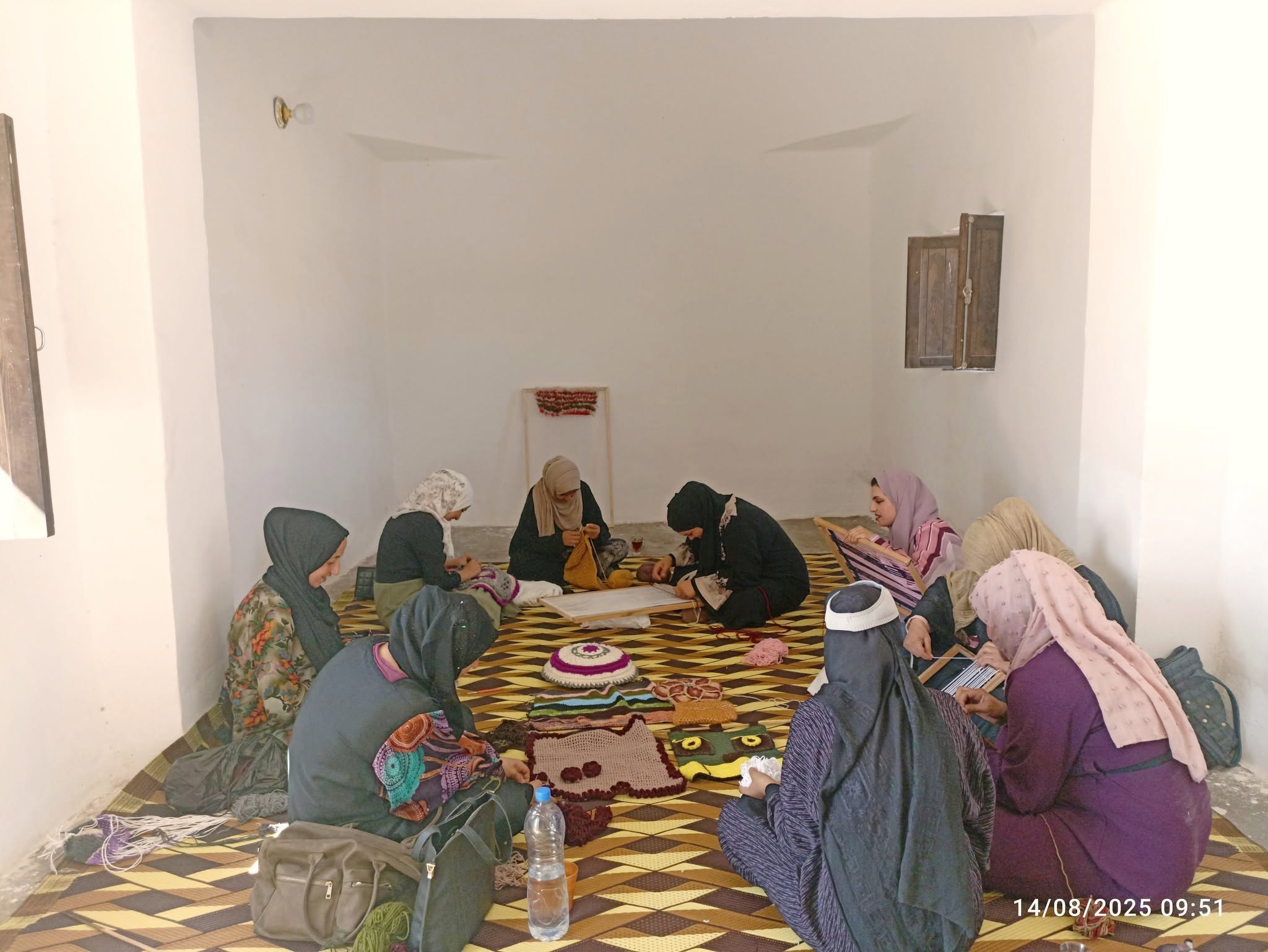
Between May and September 2025, the project introduced hands-on training in three traditional crafts: Saj bread and pastry making, hand weaving, and papyrus mat weaving.More than 20 participants — mostly women and young people — took part in the workshops, producing dozens of handmade items including woven products, papyrus mats, and traditional foods. In addition to learning practical skills, participants were introduced to basic marketing and product presentation. By the end of the programme, some trainees had already started producing and selling their work independently, creating new opportunities for income.
The project shows how cultural heritage supports post-conflict recovery and strengthens communities. A historic building at risk was saved and given a new purpose, while traditional skills at risk of disappearing were revived and passed on. Local people became active in preserving their heritage, new income came from craft production, and social cohesion and cultural pride were reinforced. Building on this success, the project aims to expand its impact through new exhibitions on folklore and archaeology, advanced training programmes for skilled participants, sustainable heritage-based economic initiatives, and replicating the cultural hub model in other regions.
Funding and Partners
This project is funded by the British Council Cultural Protection Fund, In partnership with Heritage for Peace, RehabiMed and implemented by the Rafekatuna

Search on the website

HOW CAN I HELP?

HELP SPREAD THE WORD
Make everyone around you aware of these issues