Palmyra Cultural Heritage Protection Project

Author & designer: Mariam Abdullatif | 25 May 2026.
Palmyra is one of the world’s most important archaeological and cultural heritage sites, recognized globally for its Roman ruins, tower tombs, temples, and unique desert landscape. Alongside the ancient city, the modern residential city of Palmyra developed throughout the twentieth century and became an important cultural and economic center closely connected to tourism, heritage management, and local identity.
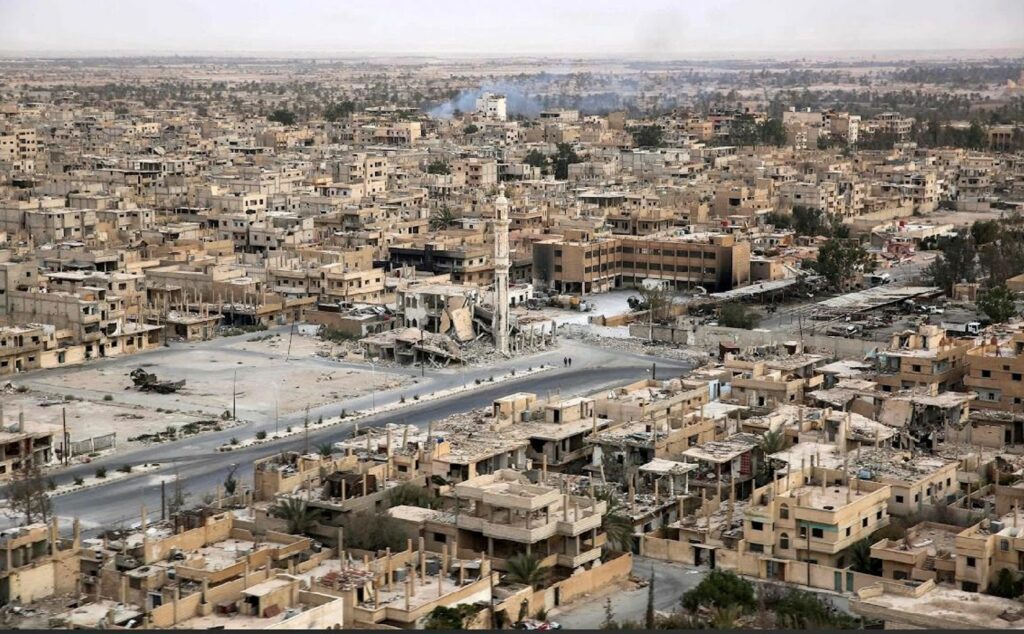
Years of conflict caused extensive destruction across both the archaeological site and the surrounding urban areas. Large sections of the residential city were severely damaged, while heritage sites faced military occupation, looting, destruction, and environmental deterioration. The project responds to these urgent challenges through integrated documentation, protection, and recovery actions.
On 13 January 2026, the “Cultural Heritage Protection Project in Palmyra” was officially launched as the first heritage restoration initiative in the city following the liberation of Syria. Funded by the J.M. Kaplan Fund in partnership with Heritage for Peace and implemented under the supervision of the Directorate-General of Antiquities and Museums and the Palmyra City Council, the project aims to support heritage protection, documentation, and long-term recovery efforts in one of Syria’s most historically significant cities.
The project combines emergency response, technical documentation, mine clearance, community engagement, and heritage awareness activities to protect both the archaeological landscape and the modern residential city of Palmyra. Through a multidisciplinary approach, the initiative seeks to establish a foundation for future conservation, reconstruction, and sustainable development.
The Palmyra Project the Modern City

Aerial Documentation & Damage Assessment

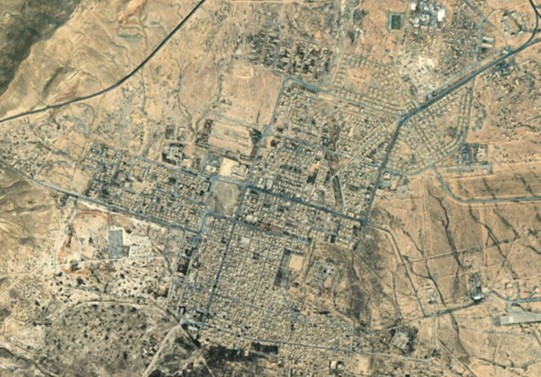
The project combines aerial documentation and field-based assessments to provide a comprehensive understanding of the current condition of Palmyra and the extent of damage affecting both the archaeological site and the surrounding residential city. Through the use of drone surveys and high-resolution aerial imagery, the project documents the archaeological landscape, oasis areas, historic monuments, and urban neighborhoods, revealing the large-scale transformations and destruction that occurred throughout years of conflict and military activity.
These aerial surveys provide an essential visual record of the city’s current state, helping identify damaged sectors, areas affected by military occupation, changes in urban patterns, and zones requiring urgent intervention. The documentation also supports long-term monitoring of the site and creates an important digital archive for future conservation and reconstruction efforts.
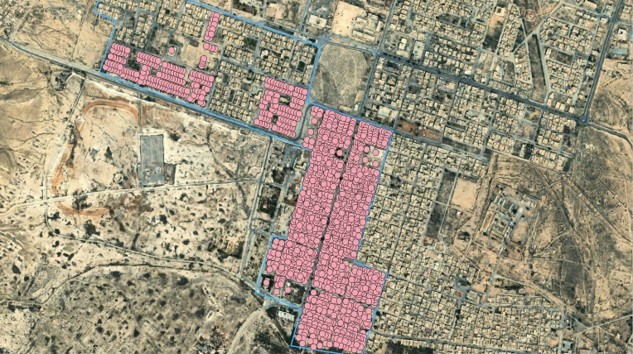
At the same time, specialized field teams conduct detailed neighborhood-by-neighborhood assessments across the residential city. The teams evaluate the structural condition of buildings, infrastructure, and public spaces through direct field inspections, photographic documentation, and technical reporting. Each structure is classified according to its level of damage, ranging from minor deterioration to severe destruction or total collapse.
All collected information is integrated into a QGIS-based reference database that combines aerial imagery, mapping data, building assessments, and historical records into a unified digital system. This database serves as a critical tool for reconstruction planning, heritage protection strategies, risk assessment, and future decision-making processes, while also supporting coordination between local authorities, heritage specialists, and future rehabilitation initiatives.
In parallel, the field assessment team carried out detailed neighborhood-by-neighborhood surveys of the residential city, documenting approximately 25% of the urban area to date, with a target of reaching 50% by the end of the project.

Mine Clearance Operations

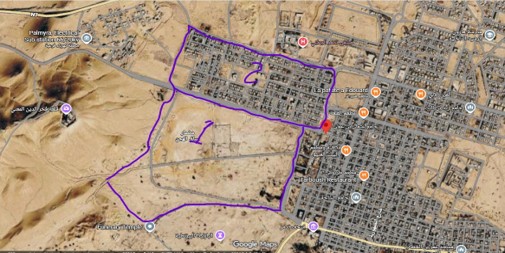
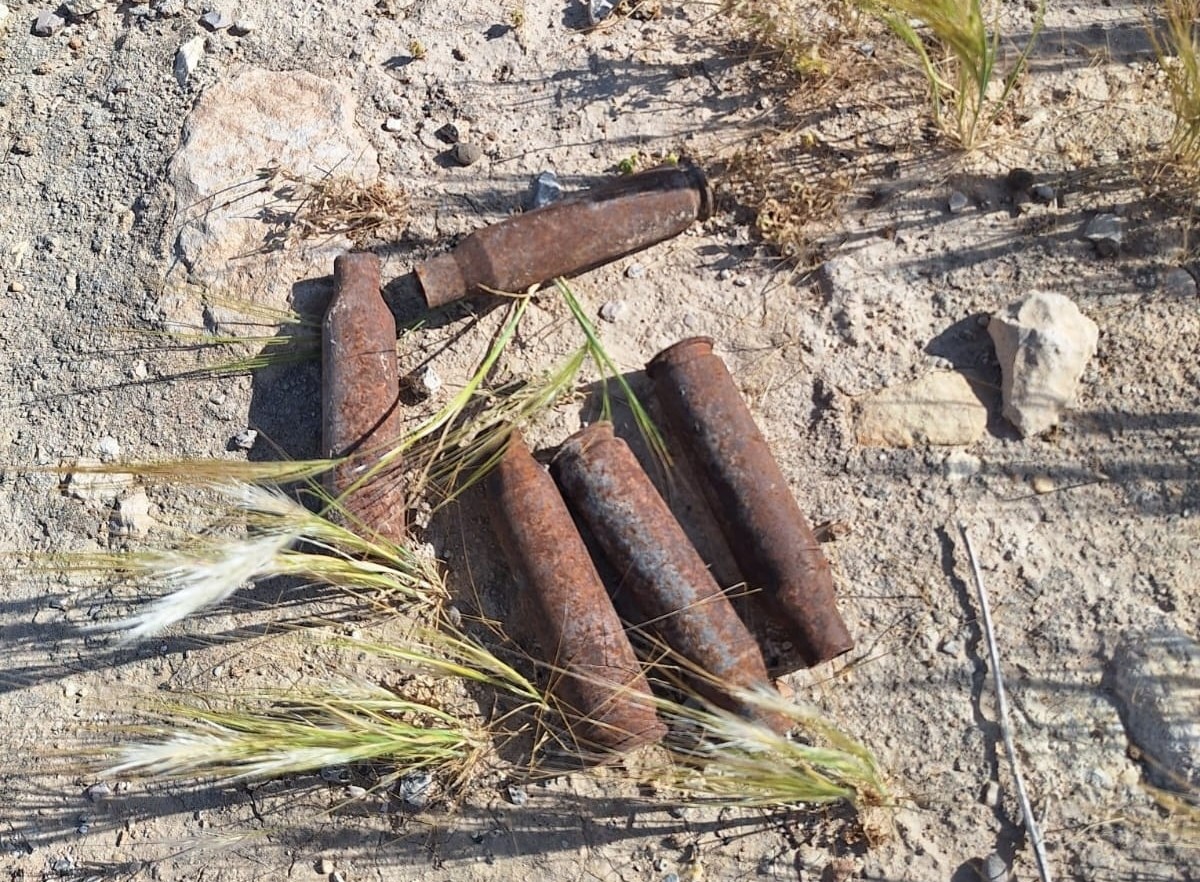
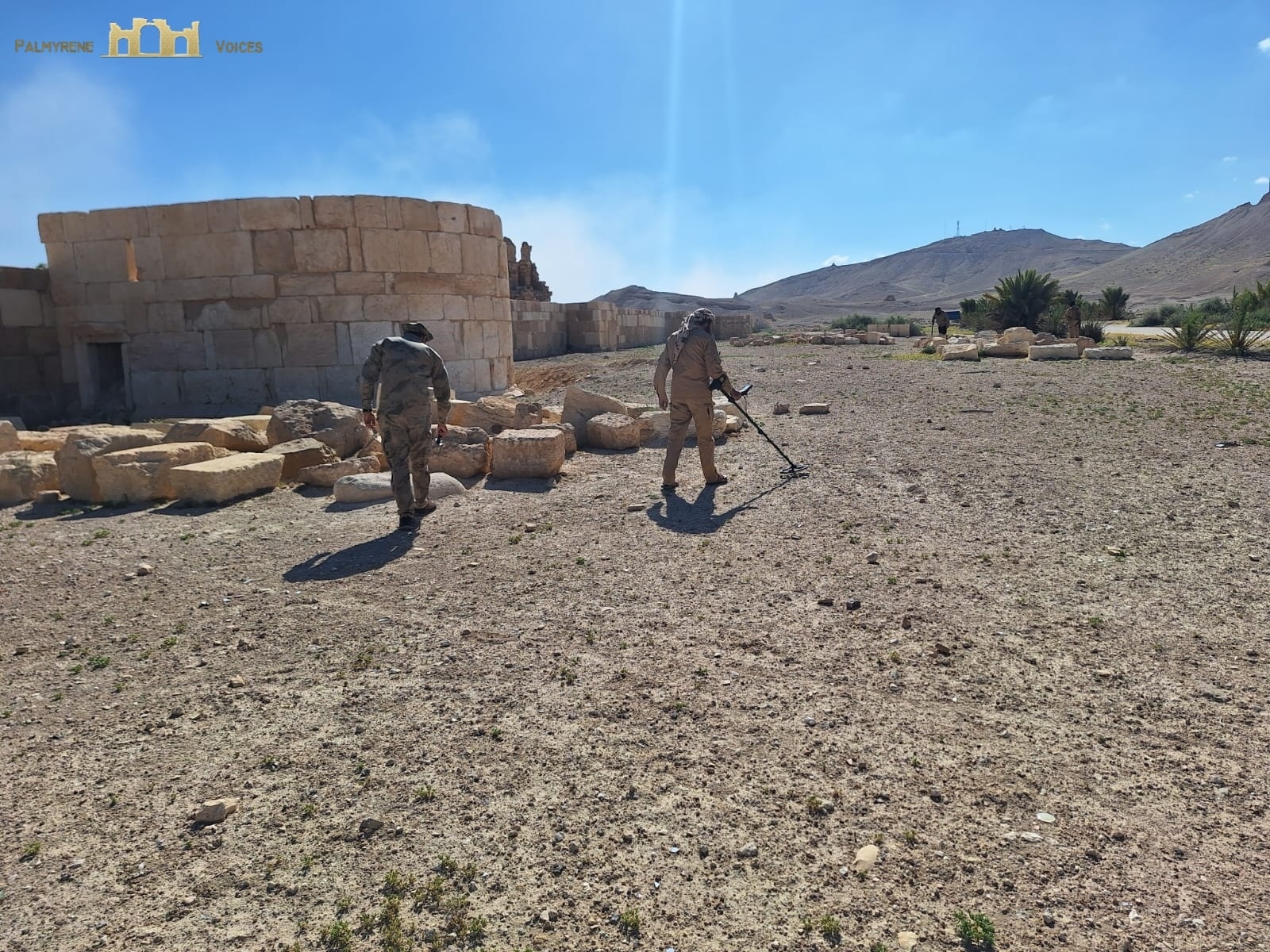
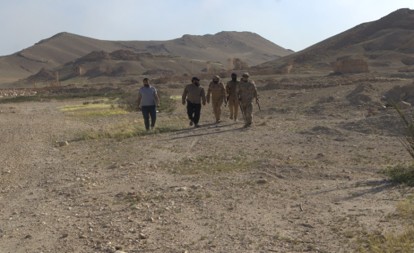
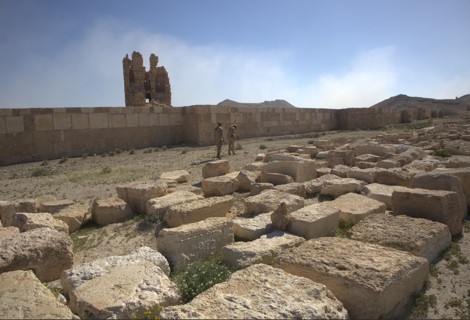
Mine and explosive remnants clearance operations represent one of the most critical phases of the project. Specialized teams began demining works within the Northern Tombs sector of Palmyra, including areas surrounding the Roman Hippodrome and the former Russian military base, in preparation for future rehabilitation programs.

Mine Clearance Operations

Mine and explosive remnants clearance operations represent one of the most critical phases of the project. Specialized teams began demining works within the Northern Tombs sector of Palmyra, including areas surrounding the Roman Hippodrome and the former Russian military base, in preparation for future rehabilitation programs.
The clearance operations started along the strip adjacent to the northern wall of the archaeological site and proceeded sector by sector. Each work corridor covered approximately 30 meters in width and more than 1,100 meters in length until the completion of the entire sector, which extends across nearly 2 square kilometers.
The works also include the Western Associations area located north of the Northern Tombs, which had been occupied by militias of the former regime and its allies following the displacement of its original residents after 2015. This neighborhood holds particular importance due to its role as the touristic gateway to the city, its direct views over the archaeological site, and its distinctive villa-style residential architecture.

Community Engagement & Awareness

Community engagement and public awareness form a central pillar of the project and reflect Heritage for Peace’s belief that protecting cultural heritage is not limited to monuments and archaeological sites alone, but also includes empowering communities and strengthening the relationship between people and their cultural identity.
The project places particular emphasis on involving local communities, children, and younger generations in heritage protection activities through educational programs, awareness campaigns, and interactive cultural initiatives. By creating opportunities for learning and participation, the project aims to encourage a sense of ownership and shared responsibility toward the protection of Palmyra’s cultural heritage.
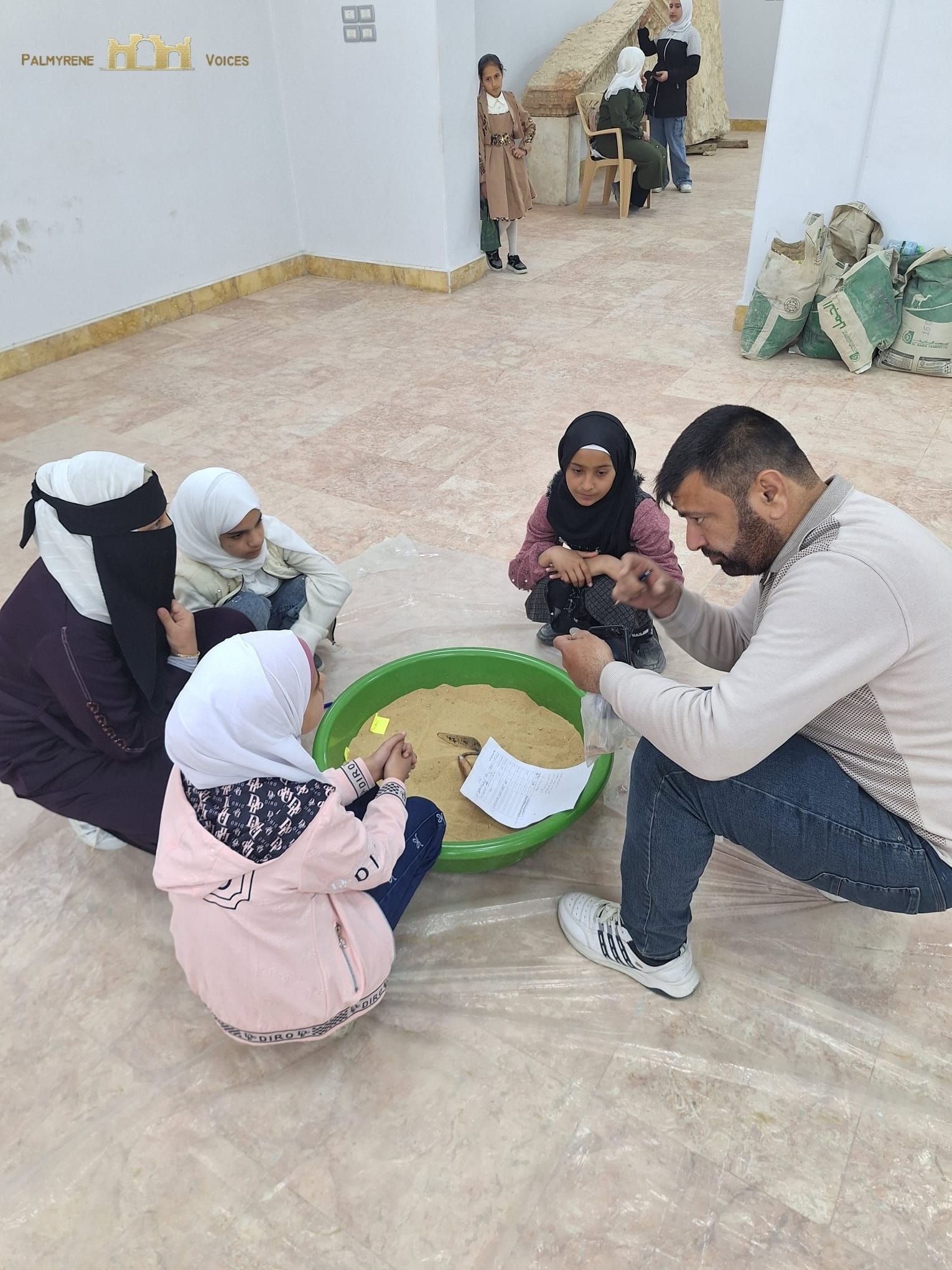
Special activities such as the “Junior Archaeologist” workshops introduce children to archaeology, history, traditional crafts, and the significance of Palmyra’s monuments through hands-on experiences and creative learning methods. These activities not only help raise awareness about heritage preservation but also contribute to reconnecting younger generations with the history and identity of their city after years of conflict and displacement.
In parallel, public discussions, heritage seminars, and community gatherings provide spaces for dialogue between residents, heritage professionals, and local authorities, encouraging collective participation in shaping the future protection and recovery of Palmyra. Through these initiatives, the project seeks to build long-term community engagement and ensure that future generations remain active participants in preserving Syria’s cultural heritage and collective memory.

“Junior Archaeologist” Activity

The workshop engaged around 170 seventh-grade students from schools in Palmyra through a series of interactive educational and creative activities designed to strengthen children’s awareness of cultural heritage and archaeology.

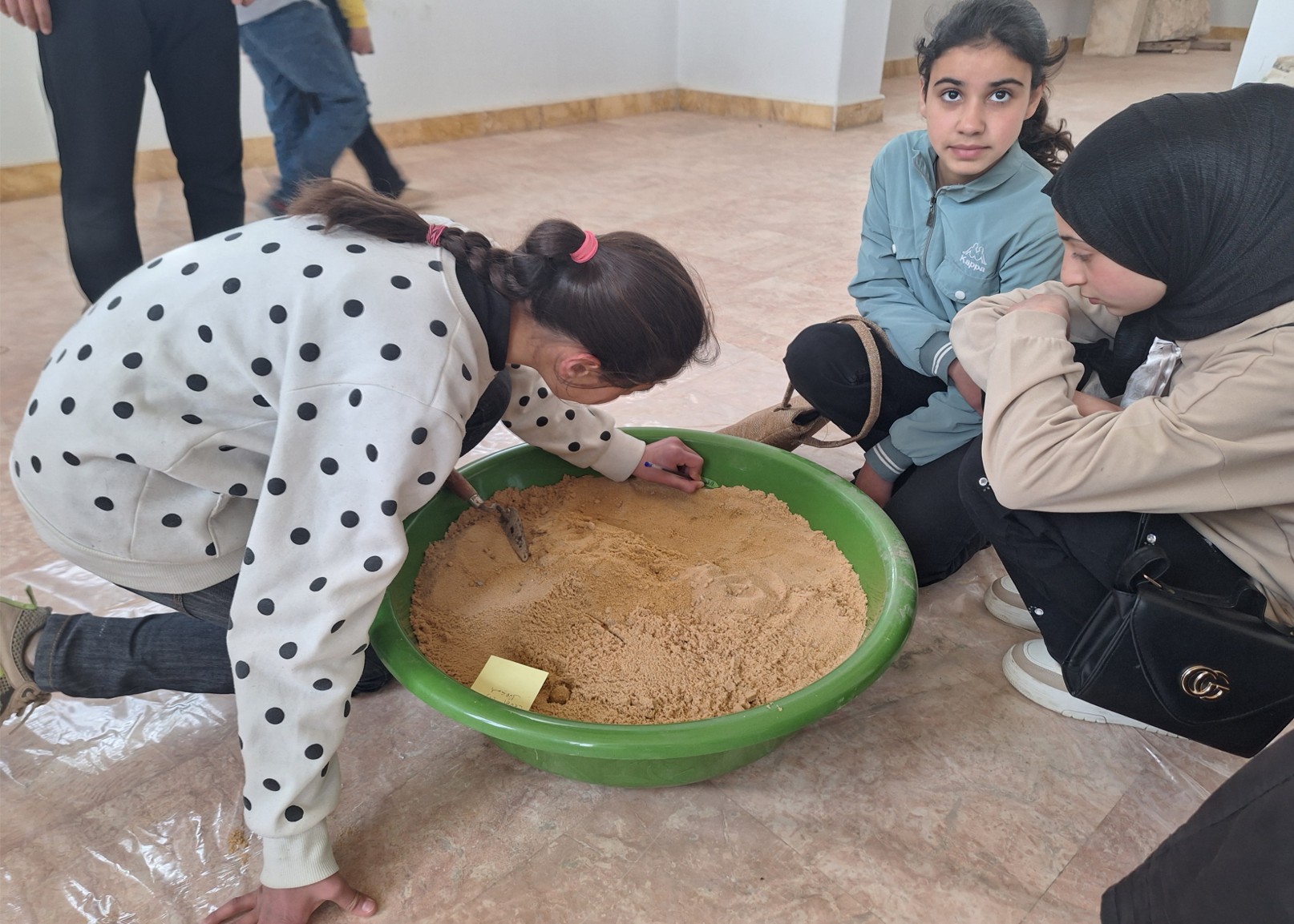
Activity 1: Little Excavator

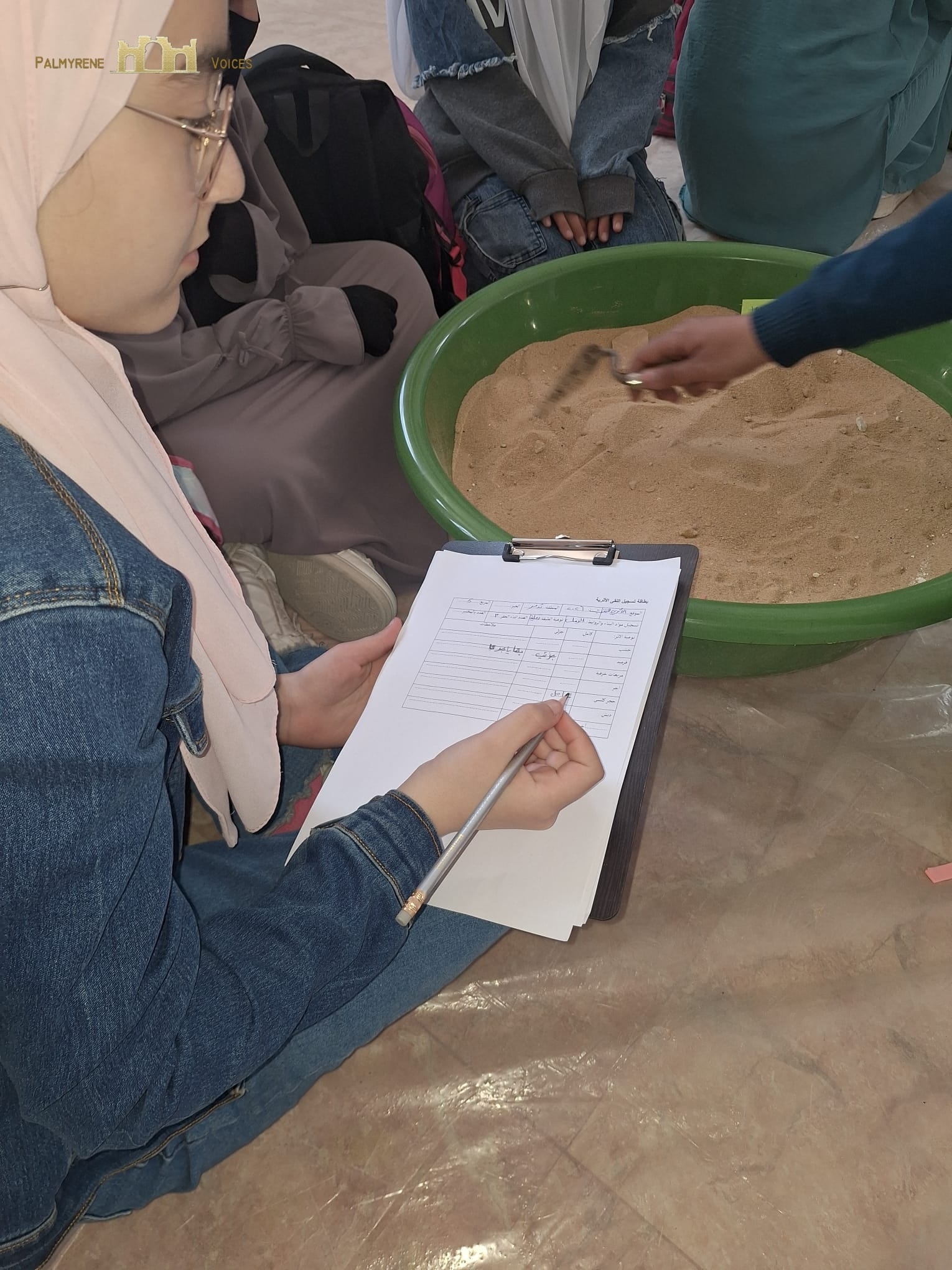
Become an archaeologist for a day and excavate an archaeological site using large plastic containers filled with soil. Various artifacts, such as pottery shards and modern coins, were scattered throughout the soil.

Activity 2: Little Researcher

Bring the artifacts unearthed to the lab and work alongside an archaeologist to study the finds, such as pottery shards and coins. Learn about the tools used by archaeologists.

Activity 3: Mosaic Maker

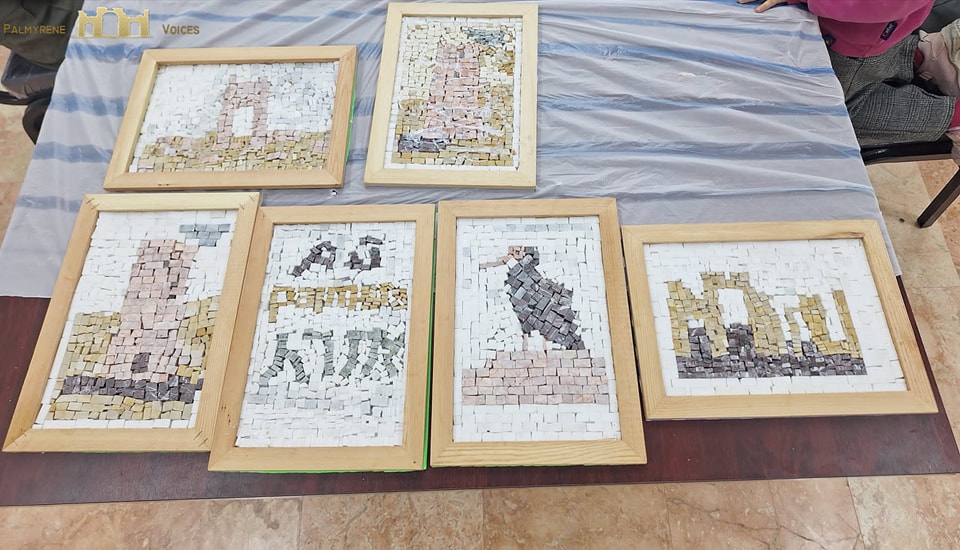
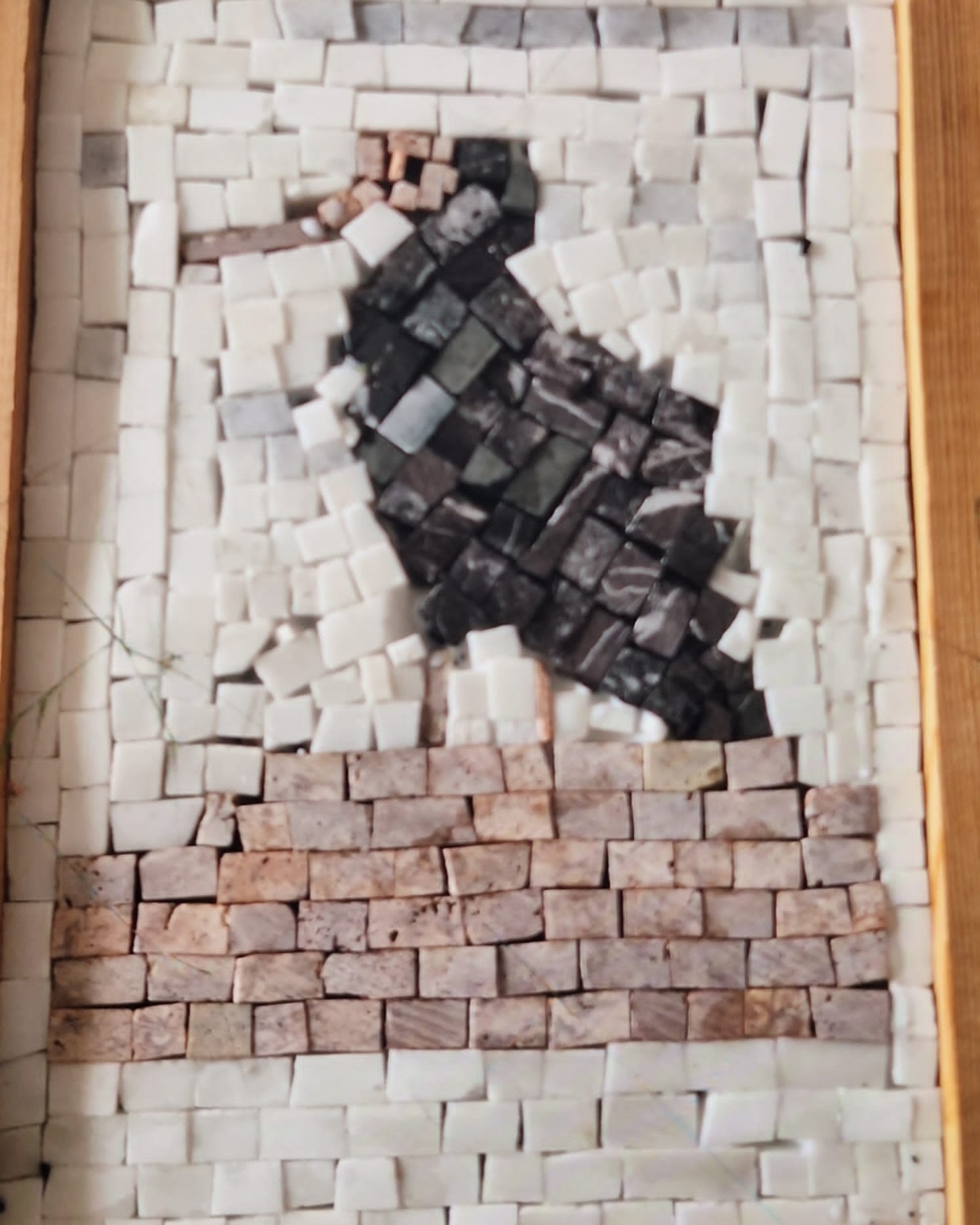
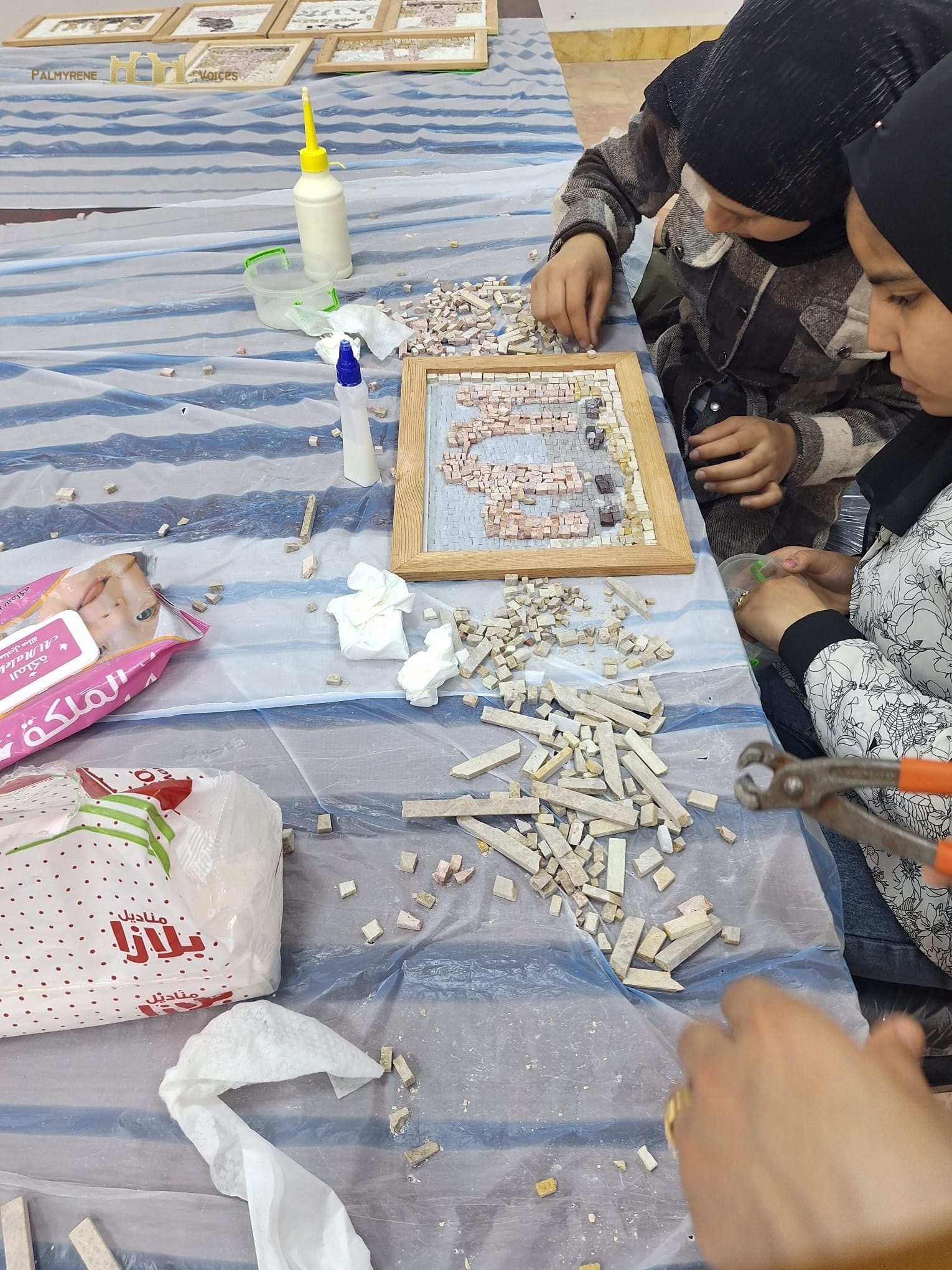
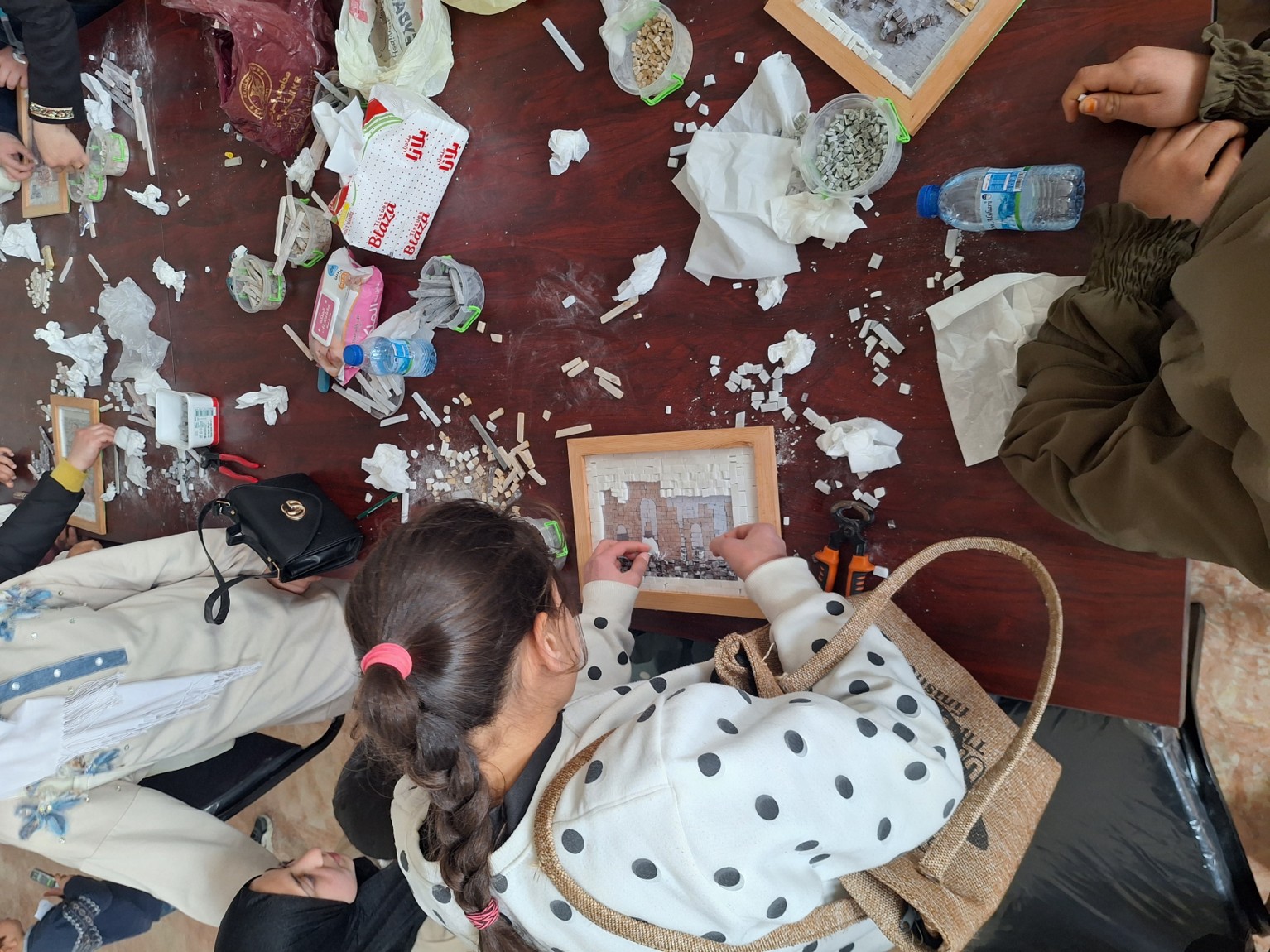
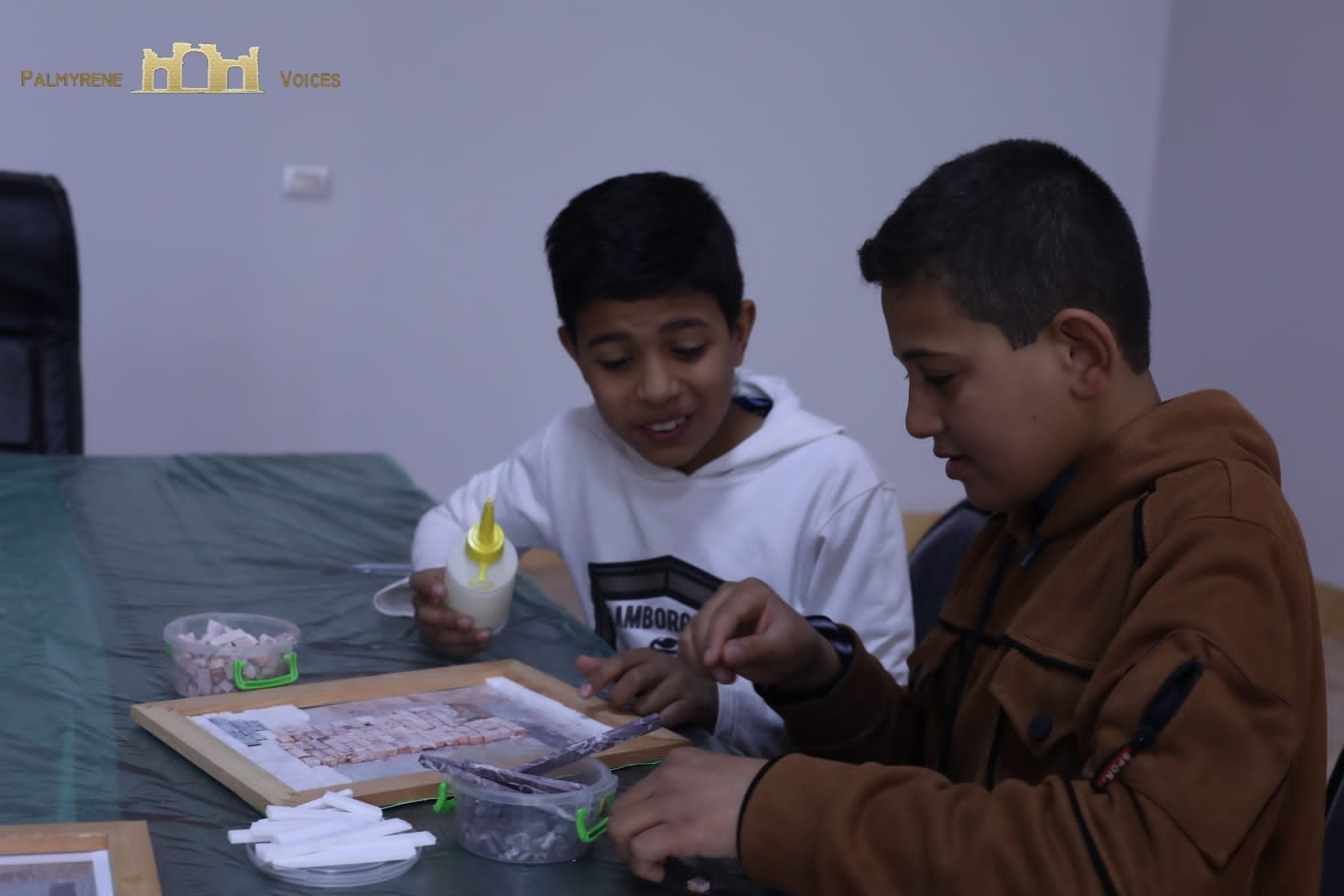
Children learned how to create mosaics inspired by Palmyra’s cultural heritage and historical monuments. The artworks featured symbols from the city’s rich heritage, including the Temple of Bel, the tower tombs, the Victory Fortress, and the endangered Bald Ibis, helping participants connect creatively with the history and identity of Palmyra.

Activity 4: Sessions with students

Introduce them to the history and cultural heritage of Palmyra. They were shown the homes of their ancestors within the plan of the old village, from which the inhabitants of Palmyra departed a century ago. This was done using maps drawn by the Palmyrene archaeologist and oral historian Hassan Ali, as part of his book series, “Palmyra in the 20th Century and the Present Day.”

Activity 5: Psychological Support & Interactive Games

Children participated in psychological support activities, brain games, physical games with balloons, and cultural quizzes designed to create a positive and engaging learning environment. These activities helped encourage teamwork, creativity, emotional well-being, and a stronger connection with Palmyra’s cultural heritage.

6: Distributing incentive prizes

At the end of the workshops, children received symbolic gifts and incentive prizes in recognition of their participation and engagement in the activities. Approximately 160 gifts were prepared for seventh-grade students, helping create a positive and encouraging experience while strengthening their connection to cultural heritage and community participation.

“An Evening Among the Ruins” Initiative

As part of the project’s broader outreach activities, the initiative “An Evening Among the Ruins of Palmyra” created a platform for dialogue between local residents, heritage specialists, and community members. The sessions focused on sharing memories of Palmyra, discussing the city’s cultural identity, and exploring future ideas for heritage protection and site management.
The initiative encouraged public participation in discussions surrounding the future of the World Heritage Site and emphasized the importance of community involvement in sustainable heritage protection efforts.

Project Goals

  • Document and assess damage across the archaeological site and residential city.
  • Support safe access through mine and explosive remnants clearance.
  • Develop a comprehensive GIS-based heritage database.
  • Strengthen heritage awareness and community participation.
  • Support future conservation, reconstruction, and urban recovery planning.
  • Protect Palmyra’s cultural identity and historical memory.
  • Encourage sustainable tourism and long-term economic revitalization.

Expected Impact

The project aims to create a reliable technical and historical reference for future rehabilitation efforts in Palmyra while improving safety conditions and strengthening local participation in heritage protection. By combining documentation, risk reduction, education, and community engagement, the initiative contributes to preserving one of the world’s most important cultural landscapes and supporting its long-term recovery.

Partners and supporter


Search on the website

HOW CAN I HELP?

HELP SPREAD THE WORD
Make everyone around you aware of these issues