Author & designer: Mariam Abdullatif | 7 May 2026
The Manuscript Restoration, Conservation, and Archiving Project at Taiz National Museum aims to preserve and safeguard valuable historical manuscripts and documentary collections that represent an important part of Yemen’s cultural memory and historical identity.
The project focuses on the restoration, maintenance, conservation, organization, and archiving of manuscripts and historical documents affected by environmental deterioration, humidity, poor storage conditions, and the impacts of conflict. Through specialized preservation and documentation activities, the project contributes to protecting vulnerable documentary heritage while supporting sustainable archival practices and professional capacity development.
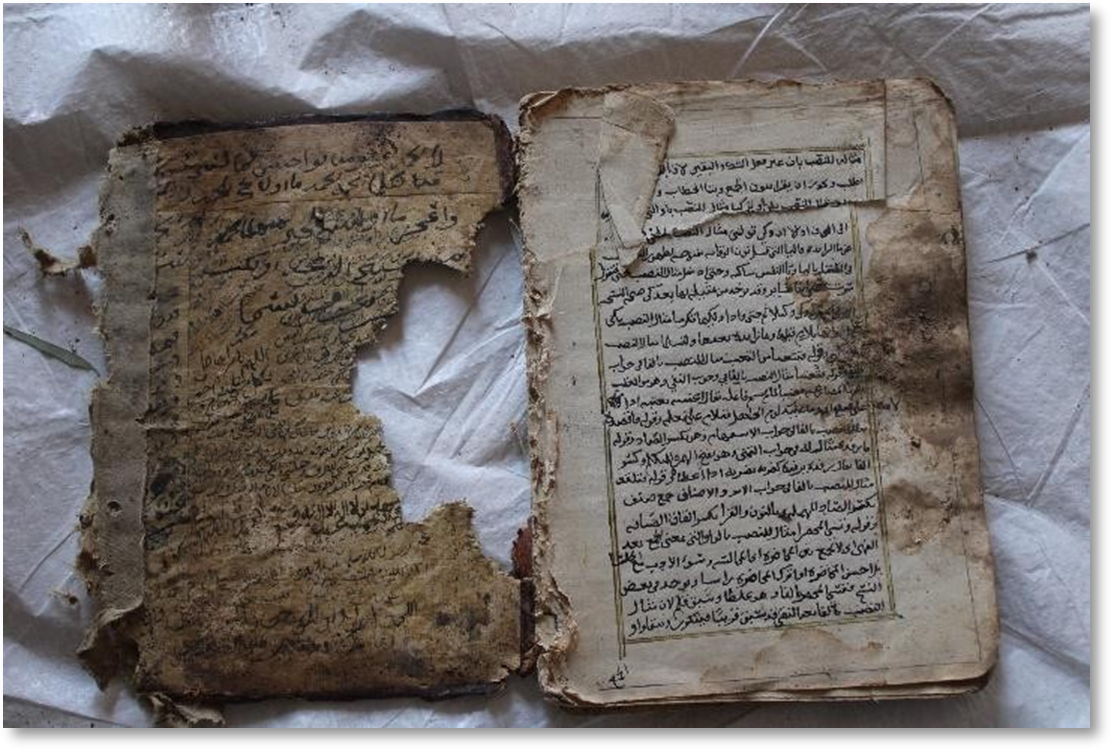
The project focuses on the restoration, conservation, maintenance, and archiving of manuscripts and historical documents preserved at Taiz National Museum in Taiz Governorate, Yemen. The archive contains rare Arabic and Hebrew manuscripts, historical records, administrative documents, diplomatic correspondence, and documentary materials that reflect important stages of Yemen’s political, cultural, social, and economic history. Some manuscripts date back several centuries and represent valuable resources for historical research and cultural studies.
The project includes restoration and preservation activities, archival organization, digitization, and professional training programs aimed at improving the protection and long-term preservation of documentary heritage collections. Hebrew manuscripts, historical correspondence, administrative records, diplomatic documents, and unique materials dating back several centuries.
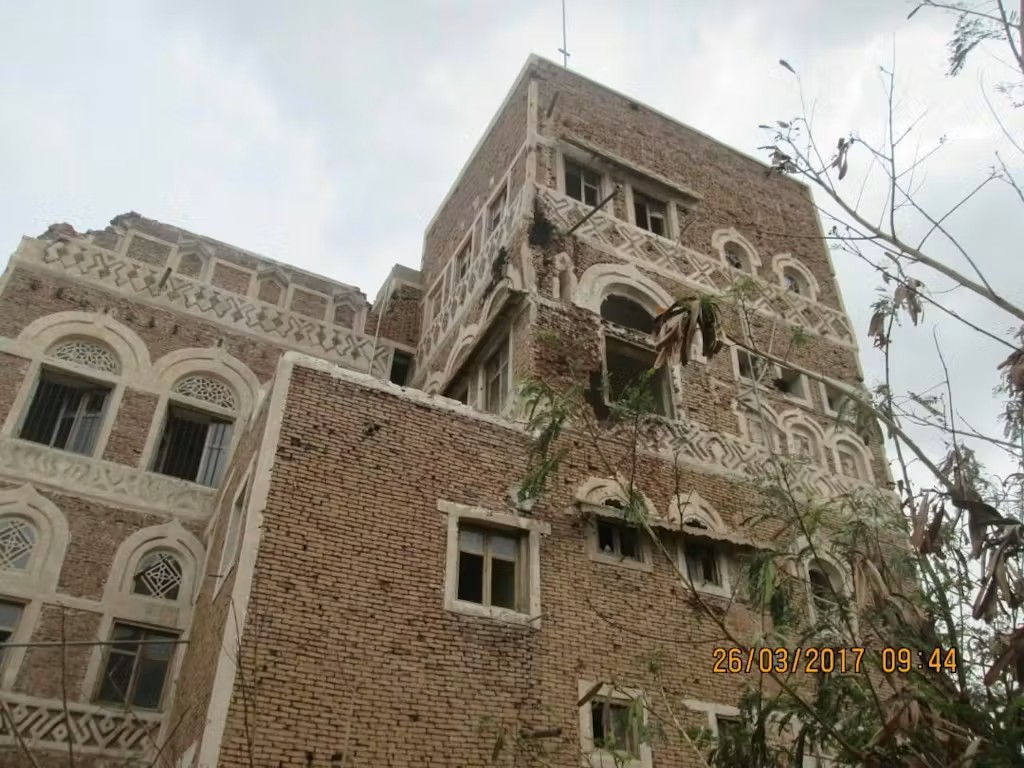
The museum itself is an important cultural landmark in Yemen, originally constructed as an Ottoman palace before being transformed into a national museum. Over the years, conflict and environmental factors have caused extensive damage to both the building and its collections, placing the archive in a highly vulnerable condition. The project seeks to address these urgent risks through documentation, sorting, cleaning, stabilization, archival organization, digitization, and professional training activities.
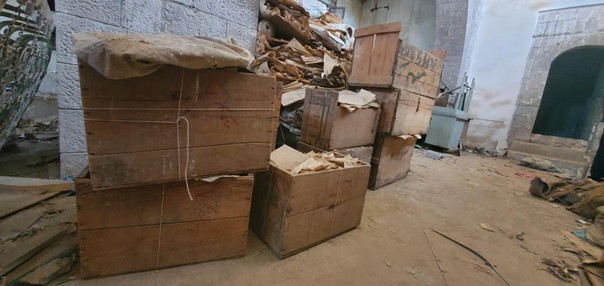
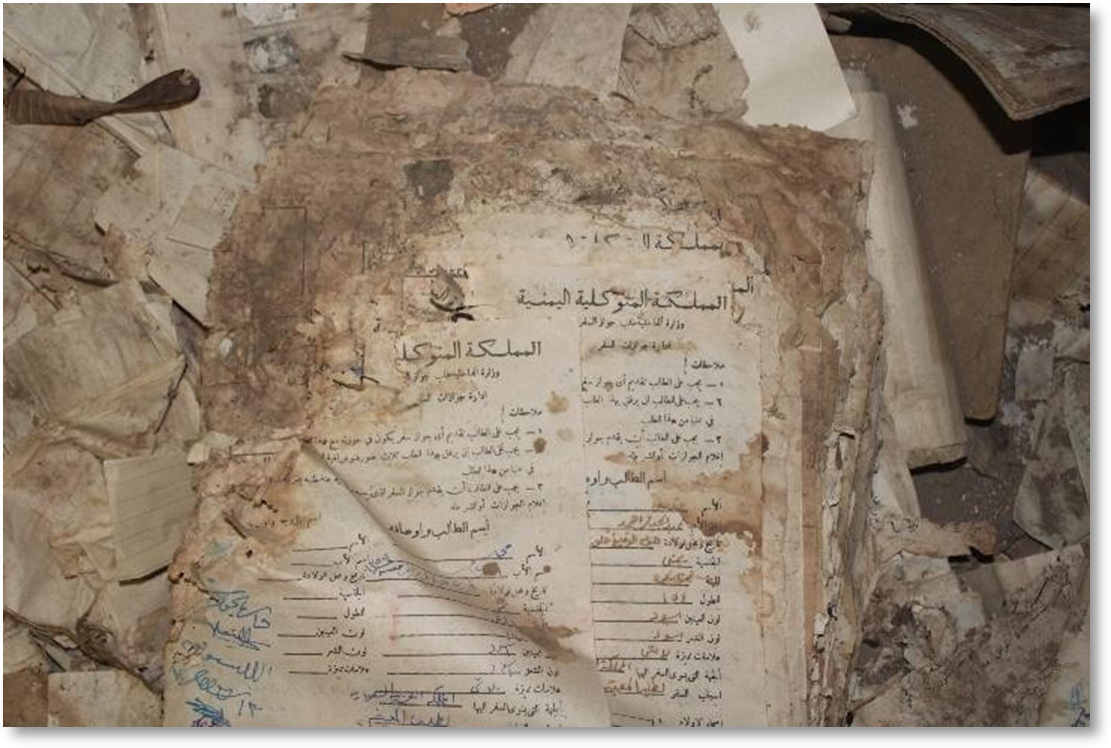
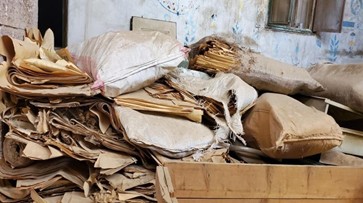
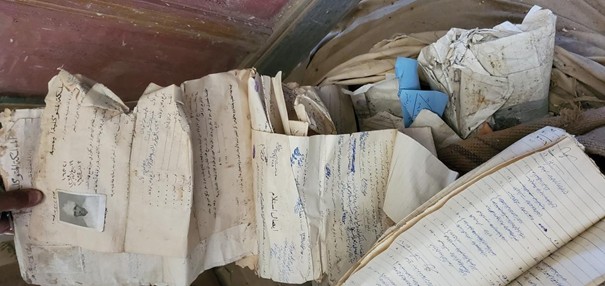
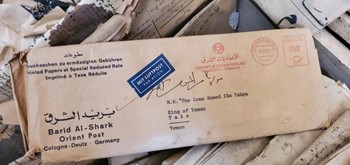
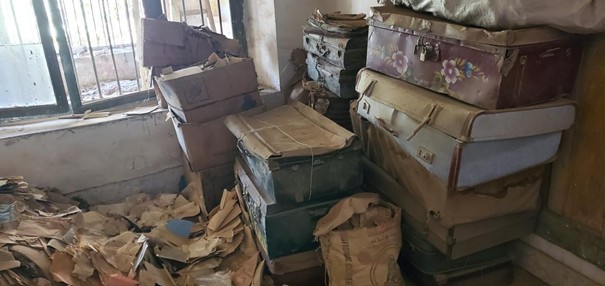
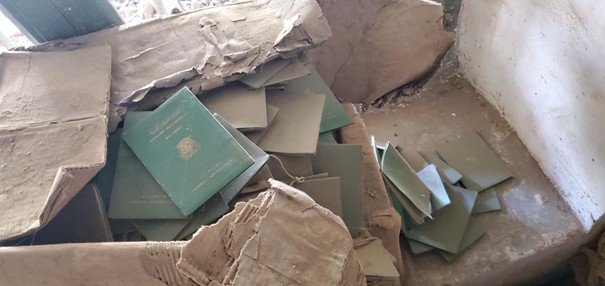
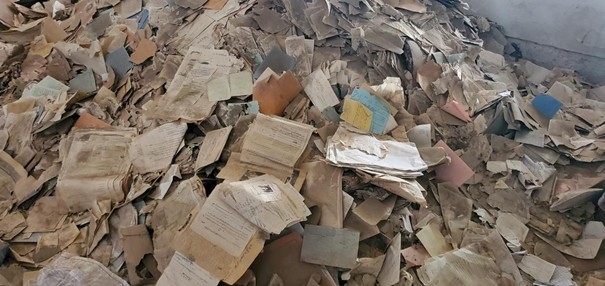
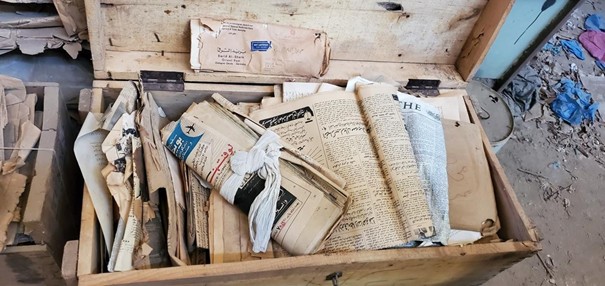
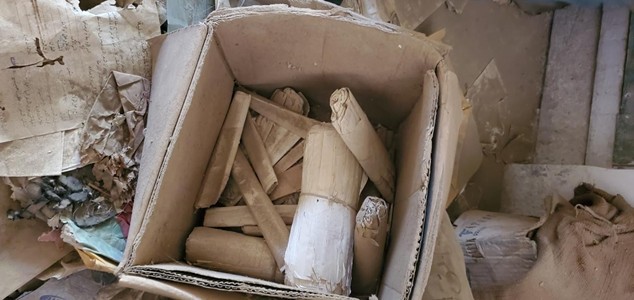
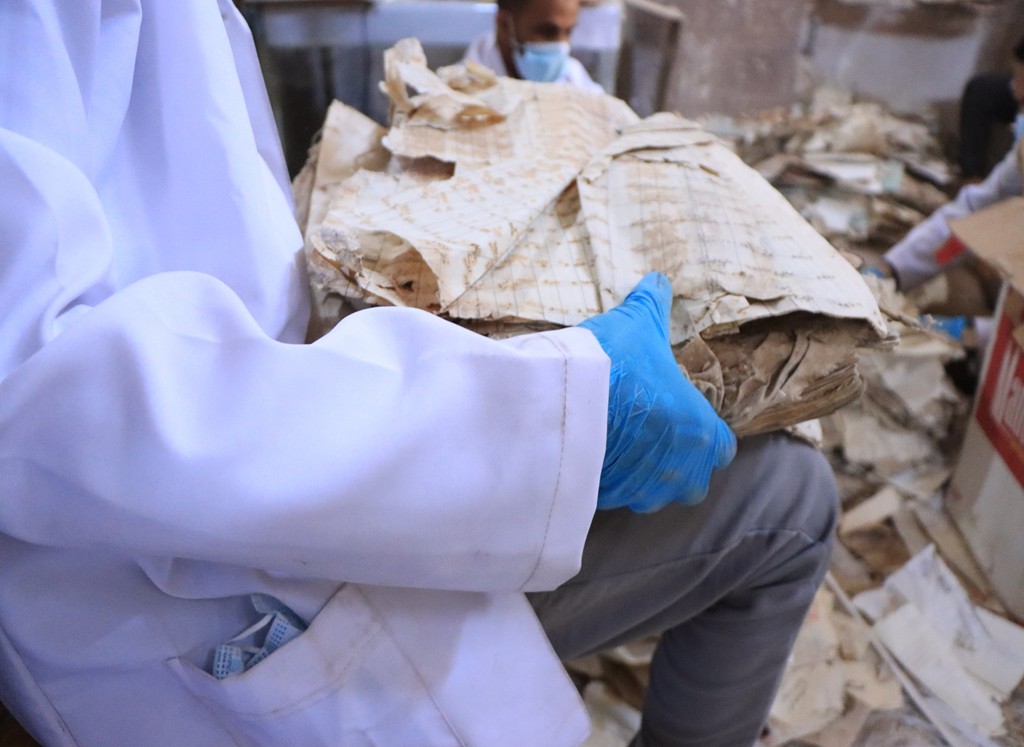
This photos documents the deteriorated condition of the historical manuscripts and archival documents inside Taiz National Museum, recorded during field documentation conducted by Heritage for Peace and the General Authority for Antiquities and Museums – Taiz Branch in 2023, three years before the launch of the current restoration, conservation, and archiving project.
The documentary archive of Taiz National Museum represents a significant part of Yemen’s historical and cultural memory. These manuscripts and documents preserve valuable knowledge related to governance, trade, social life, diplomacy, and cultural exchange throughout different historical periods.
Years of conflict, inadequate storage conditions, humidity, mold, insects, and lack of conservation resources have negatively affected many archival materials. The project works on restoration, conservation, archiving, digitization, improving preservation conditions, and ensuring the sustainability of these collections for future generations.
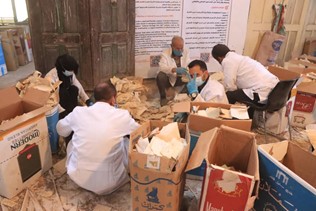
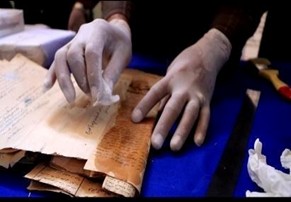
Organizing manuscripts and historical documents according to type, condition, and historical significance, while placing them in suitable archival storage systems. Separation of damaged documents. A careful process was carried out to separate the damaged documents based on the results of the initial assessment, through which the documents affected by humidity, corrosion, or biological deterioration were identified.
packed in designated folders suited to their nature, then transferred to separate, isolated areas away from the sound documents, to ensure that no environmental or biological factors would be transmitted in a way that might negatively affect the rest of the documentary materials.
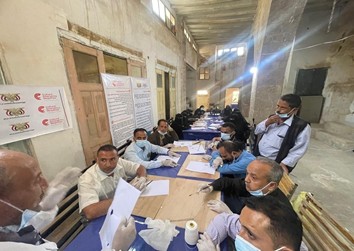
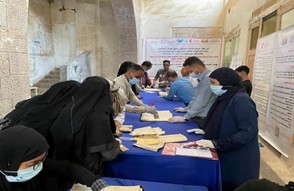
Implementing training activities and workshops for project staff and local practitioners on manuscript restoration, preventive conservation, document preservation, handling methods, and archival management. specialized training course was launched, combining theoretical sessions with hands-on practice in document and manuscript cleaning, safe disinfection, damage treatment, and scientific sorting and archiving.
Implementing restoration and conservation work for damaged manuscripts and archival materials using appropriate preservation methods and materials.
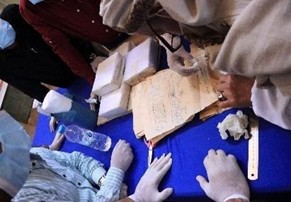
maintenance processes to remove dust, dirt, and environmental residues affecting manuscripts and documents.
Digitally documenting and archiving selected manuscripts and documents to support preservation and future accessibility.
The manuscripts and historical documents preserved at Taiz National Museum hold exceptional cultural, historical, and academic value. They document important historical periods in Yemen and provide insight into the country’s political, economic, intellectual, and social history.
The archive also includes rare Arabic and Hebrew manuscripts that contribute to understanding Yemen’s role in regional and international cultural exchange. Preserving these collections supports the protection of Yemen’s identity, memory, and documentary heritage.
This project is funded by the Cultural Emergency Response (CER) Fund of the Kingdom of the Netherlands, through Heritage for Peace, and implemented by the General Authority for Antiquities and Museums in cooperation with Yemen Heritage for Peace.